
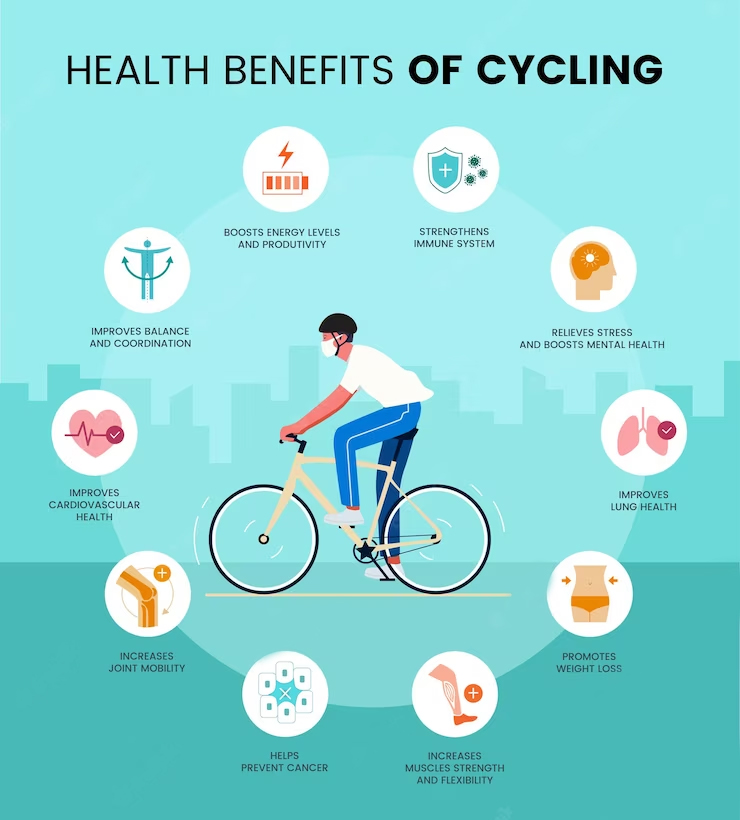
Are you looking for a way to improve your physical and mental health? Look no further than cycling. With its numerous benefits, it’s no wonder that more and more people are ditching their cars for two wheels. From boosting your mood to reducing the risk of heart disease, cycling is an activity that offers something for everyone.
What Are the Benefits of Cycling?
Numerous studies have shown that regular cycling can have a profound impact on both physical and mental health. So, what exactly are some of the benefits of cycling?
- Improved Mental Health: Cycling has been shown to reduce symptoms of depression and anxiety. The fresh air, sunshine, and exercise all combine to create a sense of well-being that’s hard to find in today’s fast-paced world.
- Reduced Risk of Heart Disease: Regular cycling can lower your risk of heart disease by up to 50%. This is because it helps strengthen your heart and lungs, improving overall cardiovascular health.
But That’s Not All
Cycling also has a number of other benefits that make it an attractive option for those looking to improve their health. Some of these include:
- Improved Digestion: Cycling can help improve digestion by stimulating bowel movements and reducing symptoms of irritable bowel syndrome (IBS).
- Toned Muscles: While many people assume that cycling only works the legs, this isn’t entirely true. The arms, shoulders, and core muscles all get a workout when you cycle.
- Increased Energy: Regular cycling can increase energy levels by improving cardiovascular health and reducing fatigue.
- Weight Loss: Cycling is a great way to burn calories and shed pounds. Just be sure to combine it with a healthy diet for optimal results.
The Physical Benefits of Cycling
Cycling is an excellent form of exercise that offers numerous physical benefits. Some of the most significant advantages include:
- Cardiovascular Health: Regular cycling can help lower blood pressure, improve circulation, and reduce the risk of heart disease.
- Weight Loss: Cycling is a great way to burn calories and shed pounds. The more you cycle, the more weight you’ll lose.
- Muscle Strength and Endurance: Cycling works multiple muscle groups simultaneously, making it an excellent exercise for building strength and endurance.
The Mental Health Benefits of Cycling
Cycling also has numerous mental health benefits that make it a great way to improve your overall well-being. Some of the most significant advantages include:
- Reduced Stress: The fresh air, sunshine, and exercise all combine to create a sense of calm and relaxation.
- Improved Mood: Cycling can help reduce symptoms of depression and anxiety by releasing endorphins and improving overall mood.
- Increased Self-Esteem: Regular cycling can improve your confidence and self-esteem, making you feel more capable and empowered.
How Long Do You Need to Cycle to See Results?
The amount of time you need to cycle to see results can vary depending on your individual goals and fitness level. However, here are some general guidelines:
- 10 Minutes: Even just 10 minutes of cycling per day can improve circulation and boost mood.
- 20 Minutes: Twenty minutes of cycling per day can help strengthen the immune system and reduce inflammation.
- 30 Minutes: Thirty minutes of cycling per day can improve cardiovascular health and increase energy levels.
- 40 Minutes: Forty minutes of cycling per day can help with weight loss and improve overall physical fitness.
Tips for Getting Started
If you’re new to cycling, here are a few tips to get you started:
- Start Slow: Begin with short rides and gradually increase your distance and intensity over time.
- Invest in a Good Bike: Make sure your bike is well-maintained and comfortable to ride.
- Wear Safety Gear: Always wear a helmet and consider wearing knee pads and elbow pads for added protection.
Common Cycling Challenges
While cycling can be an enjoyable and rewarding activity, there are several common challenges that people may face. Some of these include:
- Finding the Right Bike: Choosing the right bike can be difficult, especially if you’re new to cycling.
- Learning How to Ride: Getting comfortable on a bike takes time and practice.
- Overcoming Physical Challenges: Cycling can be challenging for people with physical disabilities or health issues.
Overcoming Common Cycling Challenges
If you’re facing challenges while cycling, there are several things you can do to overcome them:
- Find a Good Instructor: Working with an experienced instructor can help you learn how to ride and improve your overall cycling skills.
- Practice Regularly: The more you cycle, the more comfortable and confident you’ll become.
- Stay Hydrated and Fueled: Make sure you’re eating a balanced diet and staying hydrated before, during, and after your rides.
Conclusion
Cycling is an activity that offers something for everyone. Whether you’re looking to improve your physical health, reduce stress, or simply enjoy the outdoors, cycling is a great option. So why not give it a try? Trade in your car for a bike today and start experiencing the many benefits of cycling for yourself!


