
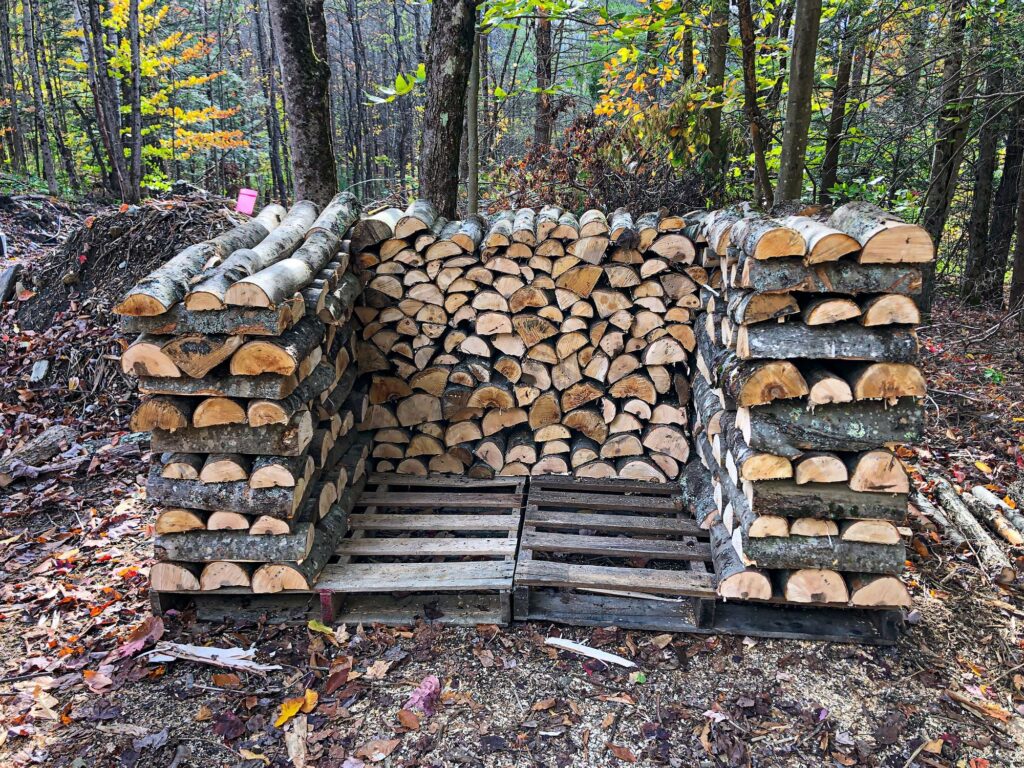
As the saying goes, “the right tool for the job makes all the difference.” When it comes to cutting wood for your fireplace, stove, or boiler, having the right knowledge and tools can make all the difference in efficiency, safety, and cost-effectiveness.
Understanding the Importance of Proper Wood Cutting
Properly cut wood is essential for optimal efficiency and safety when using a fireplace, stove, or boiler. The right size and shape of the wood pieces can affect the burn rate, heat output, and overall performance of your heating system. Additionally, proper cutting techniques can help reduce the risk of accidents and injuries.
Why Proper Wood Cutting Matters
There are several reasons why proper wood cutting is crucial:
- Efficiency: Cut wood burns more efficiently when it’s properly seasoned and shaped.
- Safety: Properly cut wood reduces the risk of accidental fires, explosions, or other hazards.
- Cost-effectiveness: Cutting wood correctly can help reduce fuel costs and minimize waste.
Tips for Cutting Wood for Your Fireplace
Cutting wood for your fireplace requires attention to detail and a focus on safety. Here are some tips to keep in mind:
- Use the right tools: A chainsaw or handsaw can be used to cut wood, but a chainsaw is generally safer and more efficient.
- Measure twice, cut once: Measure your wood carefully before making the cut to ensure it’s the correct size for your fireplace or stove.
- Cut on a flat surface: Cutting on a flat surface helps prevent accidents and ensures a straight cut.
- Wear protective gear: Always wear protective gear, including gloves, safety glasses, and a hard hat, when cutting wood.
The Importance of Seasoning Wood
Seasoning wood is the process of allowing it to dry out for several months before using it for burning. Properly seasoned wood burns more efficiently and produces less smoke and particulate matter than unseasoned wood.
How to Season Wood
Here are some tips for seasoning wood:
- Dry wood: Look for wood that’s naturally dry, as this will burn more efficiently.
- Split wood: Splitting wood allows it to dry faster and burn more efficiently.
- Store wood properly: Store wood in a well-ventilated area, away from direct sunlight and moisture.
Common Mistakes to Avoid
When cutting wood for your fireplace, there are several common mistakes to avoid:
- Cutting wood too small: Cutting wood too small can lead to inefficient burning and reduced heat output.
- Cutting wood too large: Cutting wood too large can lead to excessive smoke and particulate matter production.
- Not measuring correctly: Not measuring your wood correctly can result in wasted material and reduced efficiency.
Best Practices for Cutting Wood
Here are some best practices for cutting wood:
- Use a template: Create a template or pattern for the wood pieces you want to cut, to ensure accuracy and consistency.
- Cut on a straight edge: Cut your wood on a straight edge to ensure accurate cuts and reduced waste.
- Use sharp tools: Use sharp tools to minimize tears and splits in the wood.
Additional Tips for Optimizing Wood Cutting Efficiency
In addition to following the tips outlined above, here are some additional tips for optimizing wood cutting efficiency:
- Cut on a consistent schedule: Cut your wood regularly to ensure it’s always available when needed.
- Use a cord of wood calculator: Use a cord of wood calculator to determine how much wood you need based on your heating system’s size and efficiency.
- Consider using a wood cutting service: Consider using a professional wood cutting service if you’re not comfortable with the process or don’t have the time.
Conclusion
Cutting wood for your fireplace requires attention to detail, safety precautions, and proper techniques. By following these tips and best practices, you can ensure efficient burning, reduce waste, and minimize costs. Remember to always wear protective gear, use the right tools, and measure twice before cutting to avoid common mistakes. Additionally, consider seasoning your wood properly to maximize its efficiency and burn rate.


