
Introduction
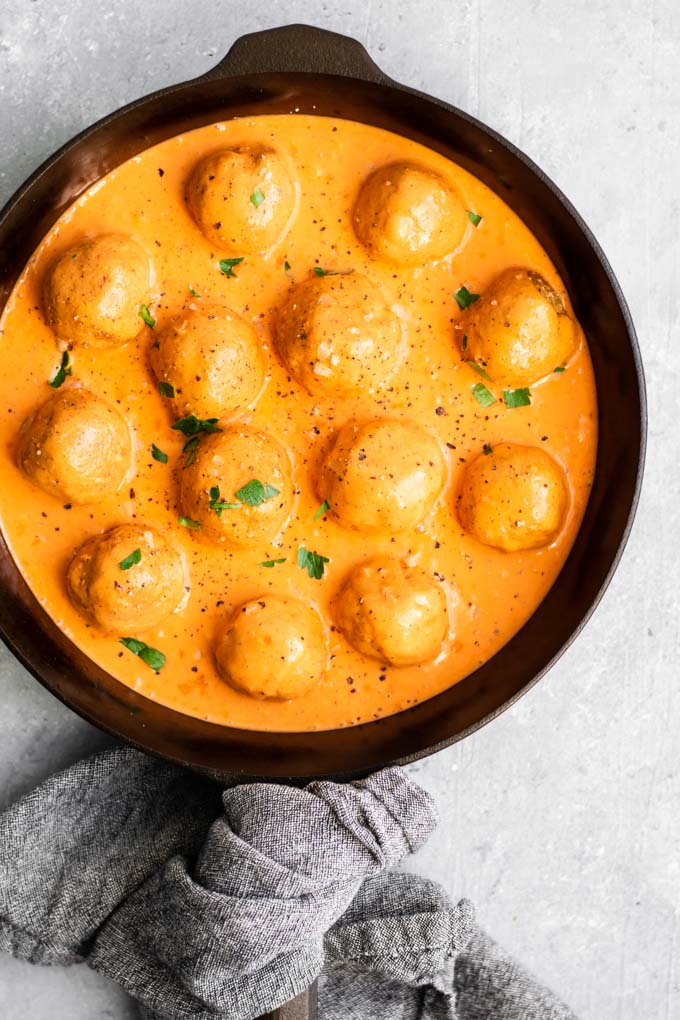
In recent years, veganism has become increasingly popular, and one of the key aspects of this lifestyle is finding delicious and satisfying plant-based alternatives to traditional meat. One of the most popular options is chickpea meatballs, also known as polpette di ceci vegan. In this article, we will explore the history, nutritional benefits, and different variations of vegan chickpea meatballs, providing you with a comprehensive guide to creating your own delicious recipe.
The Nutritional Benefits of Chickpeas
Chickpeas are one of the most widely consumed legumes in the world, and for good reason. They are rich in protein, fiber, and essential minerals like potassium, calcium, magnesium, and phosphorus. Additionally, chickpeas are a good source of vitamins A, B, and C. These nutrients make them an excellent choice for vegans and vegetarians.
The History of Chickpea Meatballs
Chickpea meatballs have been around for centuries, with evidence of their existence dating back to ancient civilizations in the Middle East. However, it was not until recent years that they gained popularity as a vegan alternative to traditional meatballs. With the rise of plant-based diets and the increasing demand for vegan products, chickpea meatballs have become a staple in many vegan households.
Creating Your Own Vegan Chickpea Meatball Recipe
Making vegan chickpea meatballs is relatively easy and requires just a few ingredients. Here’s a basic recipe to get you started:
Ingredients:
- 1 can of chickpeas
- 90g of pancarré
- 1 medium-sized potato
- 1 onion
- 2 tablespoons of dried rosemary
- Salt and pepper to taste
- Olive oil for cooking
Instructions:
- Preheat your oven to 375°F (190°C).
- Peel and chop the onion, then sauté it in a pan with some olive oil until softened.
- Boil or steam the potato until tender, then mash it with some olive oil and salt.
- Rinse the chickpeas and soak them in water for 10 minutes. Drain and rinse again.
- In a food processor or blender, combine the cooked onion, mashed potato, chickpeas, rosemary, salt, and pepper. Process until well combined.
- Add some olive oil to the mixture and process until it reaches your desired consistency.
Variations of Vegan Chickpea Meatballs
While the basic recipe above provides a great starting point, you can experiment with different ingredients to create unique flavor profiles. Here are a few ideas:
- Croccanti: Replace part of the pancarré with cornflakes for a crunchier exterior.
- Paprika Affumicata: Use smoked paprika instead of rosemary for a smoky flavor.
- Saporite: Add some mollica di pane integrale (whole wheat bread crumb) to create a more solid meatball.
- Italian-Style: Add some chopped sun-dried tomatoes and basil for an authentic Italian flavor.
- Spicy: Add some diced jalapeño peppers or red pepper flakes for a spicy kick.
Tips and Tricks
- To make the meatballs more tender, add some breadcrumbs or oats to the mixture.
- Experiment with different seasonings like garlic powder, onion powder, or dried oregano.
- For an extra crispy exterior, coat the meatballs in a mixture of breadcrumbs and nutritional yeast.
- Use a small amount of oil when cooking the meatballs in a pan to prevent sticking.
Cooking Methods
There are several ways to cook vegan chickpea meatballs. Here are a few options:
- Baking: Preheat your oven to 375°F (190°C) and bake the meatballs for 15-20 minutes, or until golden brown.
- Pan-Frying: Heat some oil in a pan over medium-high heat and cook the meatballs until golden brown on all sides.
- Grilling: Preheat your grill to medium-high heat and cook the meatballs for 5-7 minutes per side, or until cooked through.
Serving Suggestions
Vegan chickpea meatballs can be served in a variety of ways. Here are a few ideas:
- Pasta Sauce: Serve the meatballs with a homemade pasta sauce made from tomato sauce, olive oil, garlic, and herbs.
- Sub Sandwiches: Use the meatballs as a filling in sub sandwiches, topped with marinara sauce, melted vegan mozzarella cheese, and fresh basil.
- Salads: Toss the meatballs with mixed greens, cherry tomatoes, cucumber slices, and a homemade vinaigrette made from olive oil, lemon juice, and herbs.
Conclusion
Vegan chickpea meatballs are a delicious and satisfying option for vegans and vegetarians. With this guide, you can create your own unique recipe using just a few ingredients. Whether you prefer a classic flavor or something more adventurous, there’s a variation of vegan chickpea meatballs to suit every taste. Happy cooking!
Frequently Asked Questions
Q: What is the difference between polpette di ceci vegan and chickpea meatballs?
A: The terms “polpette di ceci vegan” and “chickpea meatballs” are often used interchangeably, but some recipes may use different ingredients or techniques to create a more authentic Italian-style meatball.
Q: Can I make polpette di ceci vegan without cooking the chickpeas?
A: Yes, you can make polpette di ceci vegan by using canned chickpeas and skipping the cooking step. Simply mash the chickpeas with some olive oil, salt, and pepper, then mix in other ingredients.
Q: How do I store leftover polpette di ceci vegan?
A: Store leftover polpette di ceci vegan in an airtight container in the refrigerator for up to 3 days or freeze them for up to 2 months.
Q: Can I make polpette di ceci vegan without breadcrumbs or oats?
A: Yes, you can make polpette di ceci vegan without breadcrumbs or oats. Simply omit these ingredients from the recipe and proceed with the remaining instructions.
Q: How do I cook polpette di ceci vegan in a pan?
A: Cook polpette di ceci vegan in a pan over medium-high heat, turning frequently to prevent burning. Use a small amount of oil to prevent sticking.
Q: Can I make polpette di ceci vegan with different types of legumes?
A: Yes, you can experiment with other types of legumes like lentils or chickpea flour to create different flavor profiles and textures.
Q: Are polpette di ceci vegan suitable for a gluten-free diet?
A: Yes, most recipes for polpette di ceci vegan do not contain gluten. However, always double-check the ingredients to ensure they are safe for your dietary needs.


