
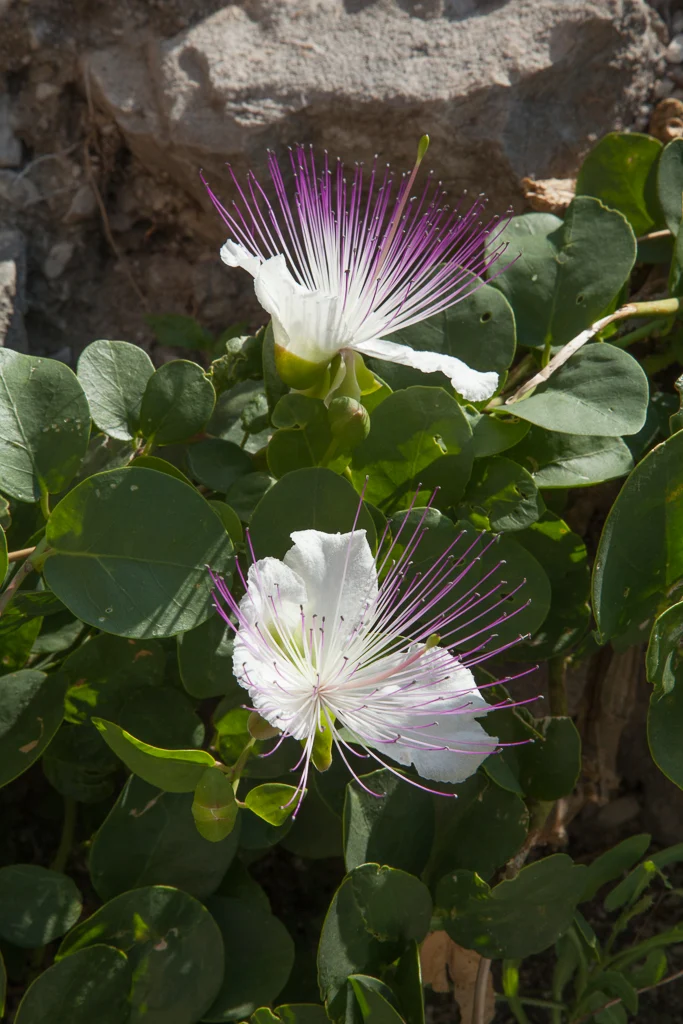
As a gardener, cultivating a thriving caper plant requires attention to detail and a deep understanding of its unique needs. One crucial aspect of caper care is pruning, which can make or break the success of your plants. In this article, we’ll delve into the world of caper pruning, exploring its benefits, techniques, and best practices.
Characteristics of Caper Plants
Before diving into pruning, it’s essential to understand the characteristics of caper plants. Native to the Mediterranean region, these shrubs are renowned for their:
- Ramified growth habit
- Spiny branches
- Dark green, rounded leaves
- White or pinkish flowers in spring and summer
- Intense, pungent flavor
Caper plants can grow up to 1 meter tall and thrive in sunny, warm environments. They’re relatively low-maintenance, but regular pruning is necessary for optimal growth and fruit production.
The Importance of Pruning Caper Plants
Pruning is a critical aspect of caper care, as it:
- Promotes healthy growth
- Encourages fruiting
- Increases yields
- Enhances plant appearance
Regular pruning can help control the plant’s size, encourage bushy growth, and prevent disease.
When to Prune Caper Plants
The timing of pruning is crucial. In general, caper plants require:
- Pruning in winter or early spring for mature plants
- Regular trimming during the growing season for young plants
Pruning too frequently can stress the plant, while neglecting it can lead to disease and pest issues.
Techniques for Pruning Caper Plants
When pruning your caper plants, keep the following techniques in mind:
- Remove dead or damaged branches
- Cut back overgrown stems
- Thin out dense growth
- Shape the plant to maintain its natural form
Using clean, sharp tools and making precise cuts will help prevent disease transmission.
How to Prune Caper Plants for Maximum Yield
To maximize your caper harvest, follow these pruning tips:
- Remove lower branches to encourage bushy growth
- Cut back stems to 1-2 feet from the ground to promote new growth
- Thin out dense areas to allow sunlight penetration
By implementing these techniques, you’ll be rewarded with a bountiful harvest of delicious capers.
Growing Caper Plants: A Comprehensive Guide
Before diving into pruning, it’s essential to understand how to grow healthy and thriving caper plants. Here are some key tips:
- Plant in well-draining soil with full sun
- Water regularly but avoid overwatering
- Fertilize sparingly, as capers prefer poor soil
By following these guidelines, you’ll be on your way to growing delicious and fragrant capers.
Common Pests and Diseases Affecting Caper Plants
While caper plants are generally hardy, they can be susceptible to certain pests and diseases. Keep an eye out for:
- Aphids
- Whiteflies
- Root rot
Regular monitoring and prompt action will help prevent infestations.
Tips for Pruning Caper Plants in Different Stages of Growth
Caper plants go through various stages of growth, each requiring specific pruning techniques. Here’s a breakdown of the different stages:
- Young Plants: Prune young caper plants regularly to encourage bushy growth and promote fruiting.
- Mature Plants: Prune mature caper plants in winter or early spring to control size and shape.
- Dormant Season: Prune dormant caper plants during the winter months to prevent disease and pests from taking hold.
Pest Control: How to Prevent Pests from Damaging Your Caper Plants
Regular pruning is not only essential for maintaining healthy caper plants but also helps prevent pest infestations. Here are some tips for preventing pests:
- Monitor your plants regularly
- Use organic pest control methods whenever possible
- Keep your plants clean and well-maintained
Common Pruning Mistakes to Avoid
Pruning can be a delicate process, especially when working with caper plants. Here are some common mistakes to avoid:
- Not removing dead or damaged branches
- Cutting too much of the plant at once
- Using dull or dirty pruning tools


