
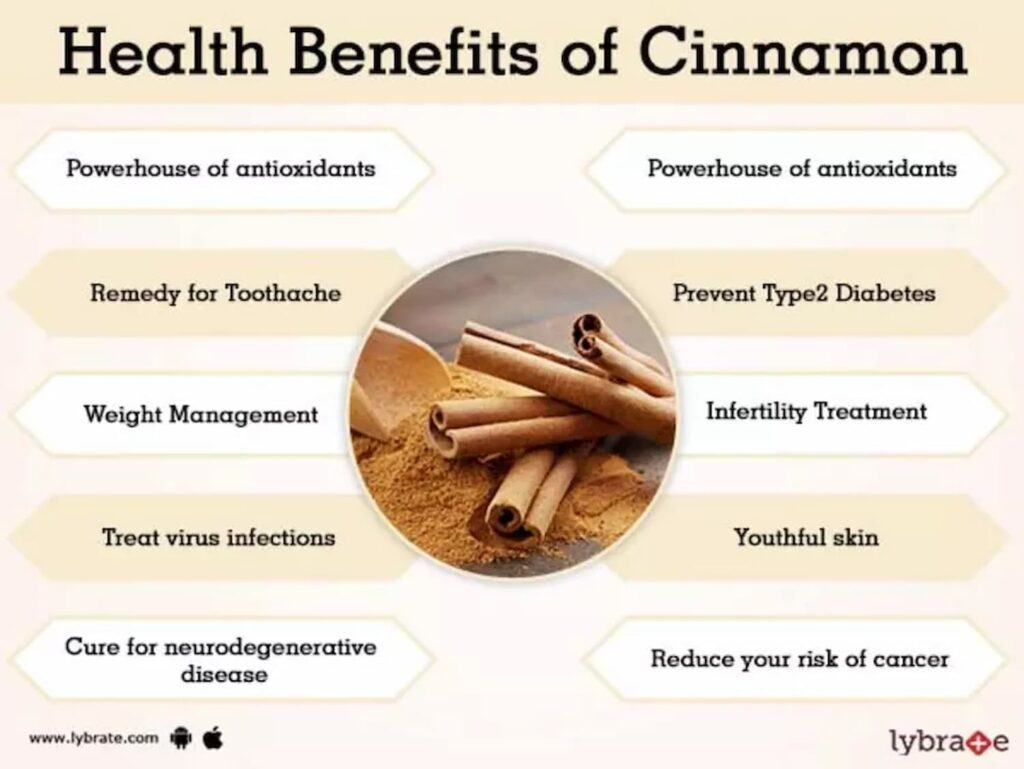
Cinnamon, with its distinctive aroma and flavor, has been a staple in many cuisines for centuries. But beyond its culinary appeal, cinnamon holds a wealth of benefits that can have a significant impact on our overall health. From reducing inflammation to regulating blood sugar levels, the list of advantages associated with this natural spice is vast and diverse.
What is Cinnamon?
Cinnamon is derived from the bark of the Cinnamomum verum tree, native to Sri Lanka. The name “cinnamon” comes from the Latin word “cinnamomum,” meaning “bark of the cinnamon tree.” There are several species within the Cinnamomum genus, but C. verum is considered the most valuable due to its unique flavor and aroma.
The Antioxidant Powerhouse: Cinnamon’s Therapeutic Properties
Rich in antioxidants, cinnamon acts as a potent shield against free radicals, which are responsible for oxidative stress and various chronic diseases. In fact, it is ranked among the top 10 most powerful natural antioxidants. These compounds neutralize harmful molecules, preventing damage to cells and tissues, and thereby reducing the risk of cancer, cardiovascular disease, and neurodegenerative disorders.
Heart Health: The Protective Effects of Cinnamon
Cinnamon’s high fiber content (4 grams per cuchia) and calcium (78 mg) make it an excellent addition to a heart-healthy diet. These nutrients work synergistically to eliminate bile salts, prevent cellular damage in the colon, and lower cholesterol levels, thereby reducing the risk of cardiovascular diseases. Cinnamon has been shown to:
- Lower LDL (“bad”) cholesterol levels
- Increase HDL (“good”) cholesterol levels
- Improve blood lipid profiles
- Reduce inflammation in the cardiovascular system
Anti-Inflammatory Properties: Cinnamon’s Soothing Effects
The body’s immune response is vital for maintaining health, as it fights off infections and repairs damaged tissues. Cinnamon, with its potent anti-inflammatory properties, helps regulate inflammation, alleviating pain and discomfort. Chronic inflammation is associated with various diseases, including arthritis, diabetes, and cardiovascular disease.
Regulating Blood Sugar: Cinnamon’s Impact on Glycemic Control
Recent studies have shown that cinnamon can significantly reduce blood sugar levels in people with type 2 diabetes. By mimicking insulin action, cinnamon enhances glucose absorption and utilization, leading to improved glycemic control. Cinnamon has been found to:
- Lower fasting blood sugar levels
- Reduce postprandial (after meal) blood sugar spikes
- Improve insulin sensitivity
Cognitive Function: Unlocking the Cognitive Potential of Cinnamon
Research suggests that cinnamon may protect neurons, normalize neurotransmitter levels, and improve motor function in individuals with Parkinson’s disease. Its potential benefits for cognitive health are vast, making it an essential component of a comprehensive wellness regimen.
- Neuroprotection: Cinnamon has been shown to have neuroprotective effects, reducing oxidative stress and inflammation in the brain.
- Improved memory: Cinnamon may help improve memory by enhancing the function of neurotransmitters involved in memory formation.
- Enhanced cognitive performance: Cinnamon may improve cognitive performance, including attention and processing speed.
Antimicrobial Properties: The Germ-Killing Effects of Cinnamon
Cinnamon contains antimicrobial compounds that inhibit the growth of harmful bacteria, fungi, and yeast. This makes cinnamon an effective natural remedy for treating infections and diseases.
- Antibacterial properties: Cinnamon has been shown to be effective against a range of bacterial strains.
- Antifungal properties: Cinnamon can treat fungal infections, including athlete’s foot and ringworm.
- Antiviral properties: Cinnamon may help reduce the severity of viral infections, such as the common cold.
Conclusion
In conclusion, cinnamon is more than just a tasty spice; it holds immense therapeutic potential. By incorporating this miracle spice into your daily routine, you can unlock its incredible benefits and embark on a journey toward optimal health.
Frequently Asked Questions
- Q: How much cinnamon should I consume to reap its benefits?
A: A moderate amount of 1-6 grams per day is recommended, as excessive consumption may cause oral irritation, respiratory issues, and compulsive behavior. - Q: Can I use cinnamon for blood sugar control?
A: Yes, studies have shown that cinnamon can significantly reduce blood sugar levels in people with type 2 diabetes. - Q: How does cinnamon affect cognitive function?
A: Research suggests that cinnamon may protect neurons, normalize neurotransmitter levels, and improve motor function in individuals with Parkinson’s disease. - Q: Is cinnamon safe for everyone to consume?
A: While generally considered safe, excessive consumption can lead to oral irritation, respiratory issues, and compulsive behavior. Consult a healthcare professional before using cinnamon as a treatment. - Q: Can I use cinnamon topically?
A: Yes, cinnamon has antimicrobial properties that make it effective in treating skin infections and diseases when applied topically. - Q: Is cinnamon a suitable substitute for insulin in managing diabetes?
A: No, while cinnamon may help regulate blood sugar levels, it is not a substitute for insulin therapy. Consult a healthcare professional before using cinnamon as an adjunct treatment. - Q: Can I consume cinnamon if I’m pregnant or breastfeeding?
A: Consult a healthcare professional before consuming cinnamon during pregnancy or breastfeeding to ensure its safety and potential benefits. - Q: How can I incorporate cinnamon into my daily routine?
A: Add cinnamon to your meals, use it as a natural sweetener, or try an anti-inflammatory tea made with cinnamon sticks and water.
Additional Benefits of Cinnamon
In addition to the health benefits discussed above, cinnamon has several other advantages that make it a valuable addition to any wellness regimen. These include:
- Digestive health: Cinnamon may help alleviate digestive issues, such as bloating, gas, and indigestion.
- Skin health: Cinnamon’s antimicrobial properties can help treat acne, psoriasis, and other skin conditions.
- Oral health: Cinnamon has been shown to reduce the risk of oral infections, gum disease, and bad breath.
- Weight management: Cinnamon may help regulate appetite and metabolism, leading to weight loss.
Incorporating Cinnamon into Your Daily Routine
To experience the full benefits of cinnamon, consider incorporating it into your daily routine in the following ways:
- Add a pinch of cinnamon to your morning coffee or tea
- Sprinkle cinnamon on yogurt, oatmeal, or other breakfast foods
- Use cinnamon as a natural sweetener in place of refined sugars
- Make an anti-inflammatory tea by steeping cinnamon sticks in hot water
Remember to consult with a healthcare professional before using cinnamon as a treatment for any medical condition.


