
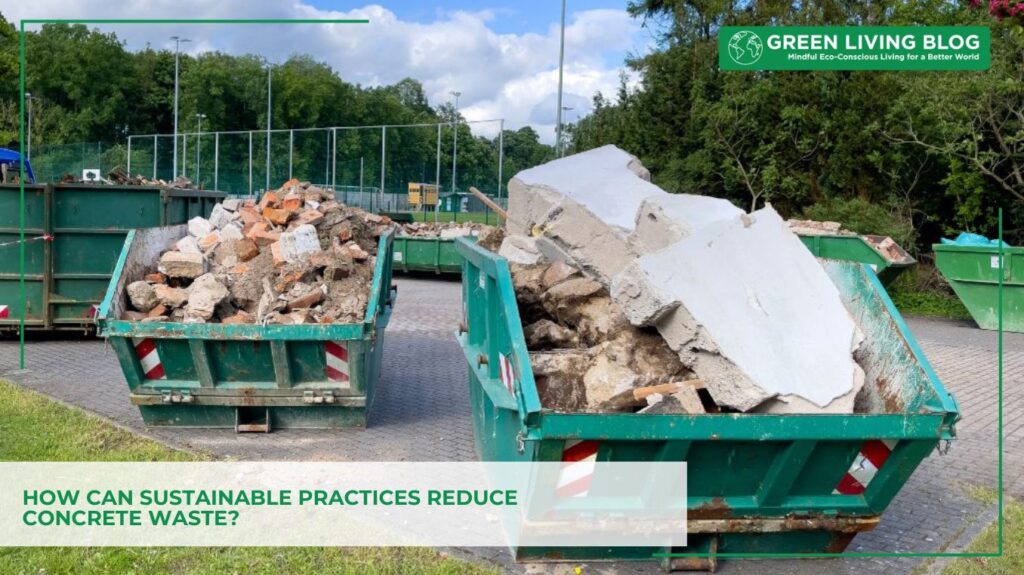
As the European Week for Reducing Waste (17-25 November) kicks off, we are reminded of the urgent need to rethink our relationship with waste. This initiative, part of the EU’s Life+ program, aims to raise awareness about the importance of reducing waste at all levels and improving waste management systems. But why is this so crucial?
The Alarming Reality of Waste Production
The statistics are stark: Italy produces more waste than its GDP and consumption, with 49% of it ending up in landfills. Ten regions, from Liguria to Sicily, exceed the national average, sending over 60% of their waste to landfills. Meanwhile, only six European countries have achieved zero or near-zero waste disposal rates, with recycling rates of 60%. Italy’s material recovery rate stands at just 33%, leaving ample room for green economy growth.
In recent years, the issue of waste has become increasingly pressing due to various factors such as population growth, urbanization, and increased consumption patterns. The consequences of this are far-reaching, affecting not only the environment but also human health and the economy.
The Benefits of Recycling and Waste Reduction
Recycling is not only good for the environment; it also saves money. In regions where waste collection and sorting are well-organized (Lombardy, Veneto, and Lazio), the cost per ton of waste is significantly lower compared to those with less effective systems (Sicily). Moreover, the occupation rate in waste management is approximately 120,000 individuals, which could increase if waste management were more efficient.
Recycling also plays a crucial role in reducing greenhouse gas emissions, conserving natural resources, and mitigating climate change. By reusing materials such as paper, plastic, glass, and metal, we can significantly reduce the amount of energy needed to produce new products, thus lowering our carbon footprint.
Two Fronts: Individuals and Businesses
The battle against waste involves two key players: individuals and businesses. On one hand, consumers must take responsibility for their daily consumption habits, starting with proper household waste collection and sorting. While this requires some effort, it is crucial in the current context.
On the other hand, companies must prioritize eco-friendly materials and packaging that facilitates waste separation. By adopting sustainable practices, businesses can reduce their environmental impact, improve brand reputation, and contribute to a more circular economy.
The European Week’s Key Messages
So what can we do to make a difference? The European Week for Reducing Waste offers two clear calls to action:
- Increase recycling: By properly separating recyclable materials, we can reduce the amount of waste sent to landfills.
- Avoid products that contribute to waste: Be mindful of products with excessive packaging or materials that cannot be easily separated, making it difficult for us to recycle.
Joining Forces: A Call to Action
The European Week for Reducing Waste is an opportunity for individuals and institutions across Italy to come together and make a difference. By implementing these simple yet effective strategies, we can create a more sustainable future for our planet.
Individuals can start by making small changes in their daily lives, such as:
- Using reusable bags and containers
- Choosing products with minimal packaging
- Composting food waste
- Reducing meat consumption
Businesses can contribute to the reduction of waste by adopting sustainable practices, such as:
- Implementing recycling programs
- Using eco-friendly materials
- Designing products with recyclability in mind
- Encouraging employees to participate in waste reduction efforts
Frequently Asked Questions
- What are the main causes of waste production?
Waste production is largely driven by consumer behavior, with packaging and single-use materials being major contributors. - How can individuals make a difference in reducing waste?
By implementing simple changes such as recycling, composting, and avoiding products with excessive packaging, individuals can significantly reduce their own waste output. - What role do businesses play in reducing waste?
Businesses must prioritize eco-friendly materials and practices to minimize waste generation and promote sustainable consumption patterns. - How can governments support the reduction of waste?
Governments should implement policies that incentivize recycling, composting, and reduce waste disposal costs to encourage individuals and businesses to adopt more sustainable practices. - What are some effective strategies for reducing waste in households?
Strategies include implementing waste sorting systems, using reusable bags and containers, and minimizing single-use plastics. - How can we ensure that waste reduction efforts are successful and sustained?
Success will depend on a combination of individual action, business commitment, and government support, as well as ongoing education and awareness-raising initiatives. - What is the impact of waste reduction on the economy?
Waste reduction can lead to cost savings for individuals and businesses while also promoting sustainable economic growth. - How can we measure the effectiveness of waste reduction efforts?
Measuring waste reduction requires tracking metrics such as recycling rates, landfill diversion, and waste composition.
Conclusion
The European Week for Reducing Waste is a timely reminder of our shared responsibility to protect the environment. By working together and implementing simple yet effective strategies, we can create a more sustainable future for generations to come.
As individuals, businesses, and governments, we have the power to make a difference. We must take action today to address the pressing issue of waste production and ensure a healthier, more prosperous future for all.
Additional Resources
Getting Involved
There are many ways to get involved in the European Week for Reducing Waste and contribute to a more sustainable future. Here are some ideas:
- Organize a local waste reduction event or campaign
- Participate in online discussions and share your experiences on social media
- Contact your local government representatives to express support for waste reduction initiatives
- Support organizations working on waste reduction and sustainability



