
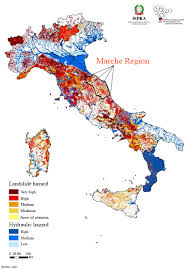
As we gaze out at the serene landscape, it’s easy to forget that beneath our feet lies a complex network of underground forces that can unleash devastating consequences. The hydrogeological risk, often overlooked, poses a significant threat to Italy’s safety, and it’s essential to understand its implications.
What is Hydrogeological Risk?
The hydrogeological risk refers to the potential for landslides and floods caused by water erosion, which can result in damage to infrastructure, loss of life, and displacement of communities. This risk is often exacerbated by extreme weather conditions, such as heavy rainfall or droughts.
Why is Italy Vulnerable to Hydrogeological Risk?
Italy’s unique geography makes it prone to hydrogeological risks. The country’s varied landscape, with mountains, hills, and plains, creates an environment where water can easily accumulate and cause erosion. Furthermore, the Italian peninsula is characterized by a dense network of rivers, streams, and canals, which can lead to flash flooding.
The Consequences of Hydrogeological Risk
In recent years, Italy has experienced several devastating events related to hydrogeological risk. The 2015 floods, for example, resulted in 18 deaths, 1 missing person, and 25 injured, with over 3,694 people evacuated from their homes. These incidents highlight the gravity of the situation and demonstrate that the risks associated with hydrogeological hazards are very real.
The Impact on Communities
The effects of hydrogeological risk extend beyond the immediate disaster response phase. The displacement of communities can lead to long-term social, economic, and environmental impacts. It is essential for local authorities and residents to take proactive measures to mitigate these risks and ensure that their homes, businesses, and infrastructure are safe.
Understanding the Root Causes
To address hydrogeological risk effectively, it’s crucial to understand its root causes. Human activities such as deforestation, land development, and infrastructure construction can exacerbate erosion and increase the risk of landslides and floods. Climate change also plays a significant role, with increased precipitation events becoming more frequent and intense.
Key Factors Contributing to Hydrogeological Risk
Several factors contribute to hydrogeological risk in Italy:
- Geology: The Italian peninsula’s geology is characterized by diverse rock formations, which can affect the stability of slopes and increase the risk of landslides.
- Land use: Human activities such as agriculture, forestry, and urbanization can lead to soil erosion and increase the risk of hydrogeological hazards.
- Climate change: Rising temperatures and changing precipitation patterns can exacerbate the risk of floods and landslides.
Mitigating Hydrogeological Risk
To mitigate hydrogeological risk in Italy, we need to adopt a multi-faceted approach:
- Monitoring and early warning systems: Developing effective monitoring systems to detect changes in water levels, soil moisture, and other indicators can help trigger early warnings.
- Infrastructure design and construction: Building infrastructure that takes into account the local geology and hydrology can reduce the risk of damage during extreme weather events.
- Land use planning and management: Implementing sustainable land use practices and managing forests and water resources can help reduce erosion and increase soil stability.
- Public education and awareness: Educating communities about the risks associated with hydrogeological hazards and promoting emergency preparedness can save lives.
Case Studies: Successful Strategies for Mitigating Hydrogeological Risk
Several case studies demonstrate successful strategies for mitigating hydrogeological risk in Italy:
- The city of Venice has implemented a comprehensive flood protection plan, including the construction of levees and the creation of flood-resistant buildings.
- In the region of Umbria, local authorities have promoted sustainable land use practices, such as reforestation and soil conservation, to reduce erosion and increase soil stability.
Conclusion
Hydrogeological risk is a significant threat to Italy’s safety, requiring urgent attention from policymakers, residents, and businesses. By understanding the root causes of this risk and adopting proactive measures to mitigate its effects, we can reduce the likelihood of devastating events and create safer communities for everyone.
Frequently Asked Questions (FAQs)
Q: What is hydrogeological risk?
A: Hydrogeological risk refers to the potential for landslides and floods caused by water erosion.
Q: Why is Italy vulnerable to hydrogeological risk?
A: Italy’s unique geography, with its varied landscape and dense network of rivers and streams, creates an environment where water can easily accumulate and cause erosion.
Q: What are some of the key factors contributing to hydrogeological risk in Italy?
A: Geology, land use, climate change, and infrastructure design and construction all play a role in exacerbating the risk of landslides and floods.
Q: How can we mitigate hydrogeological risk in Italy?
A: A multi-faceted approach that includes monitoring and early warning systems, infrastructure design and construction, land use planning and management, and public education and awareness is essential.
Q: What are some examples of hydrogeological events in Italy?
A: The 2015 floods were a significant example of the devastating impact of hydrogeological hazards in Italy.
Q: How can we prepare for hydrogeological events?
A: Developing early warning systems, implementing emergency preparedness plans, and educating communities about the risks associated with hydrogeological hazards are all crucial steps towards mitigating these risks.


