
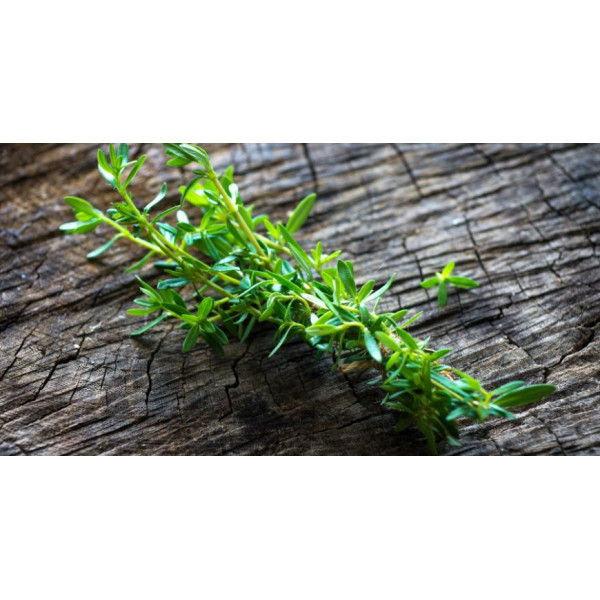
Santoreggia, a plant steeped in history and mythology, has been revered for its aphrodisiac properties since ancient times. In fact, monasteries once prohibited their cultivation to avoid temptation. Today, infusions and tisanes made from this herb are used in herbalism as a diuretic and natural remedy against intestinal parasites and maladies.
A Brief History of Santoreggia
Santoreggia is found in temperate regions with warm climates and can also be grown in gardens. There are two types: the annual or ‘herb of St. Julian’, and the mountainous ‘calamento’ or ‘nepetella’. Both possess similar properties, making it possible to use either one.
The history of santoreggia dates back to ancient Greece and Rome, where it was highly valued for its medicinal and aphrodisiac properties. The Greek physician Hippocrates mentioned santoreggia in his writings, while the Roman naturalist Pliny the Elder described it as a “plant of Venus” due to its alleged ability to enhance sexual desire.
Where to Find Santoreggia
Wild santoreggia is found in Mediterranean hillsides with dry soils and rocky areas. The domesticated variety, which is more resilient to cold and humidity, thrives in cooler climates and often escapes from gardens.
Santoreggia can also be cultivated in gardens, provided the right climate and soil conditions are met. In temperate regions, it is typically grown as an annual crop, sown between February and March. The ideal soil is light and fertile, with a pH range of 6.0-7.0.
Identifying Santoreggia
Santoreggia can be easily recognized by its grey-green leaves, red stalks, and tiny white or pinkish flowers. Like the lamium, it belongs to the labiate family and is related to other noble herbs such as thyme, lavender, and sage.
The plant’s leaves are typically lance-shaped, with a pointed tip and a serrated edge. They can grow up to 10 cm in length and have a soft, velvety texture. The stalks are red or purple, and the flowers are small and star-shaped, measuring about 5-7 mm in diameter.
The Blooming Season
Santoreggia blooms throughout the summer months, making it easily accessible. If you want to cultivate it, you’ll need to sow seeds between February and March in warm climates, or in April in cooler regions. The ideal soil is light and fertile, with a pH range of 6.0-7.0.
Preparations and Uses
Infusions can be made by using a small handful of fresh or dried santoreggia in a liter of water. Drink 2-4 cups per day, one before bedtime. Decoctions are made with half a handful per liter of water and used for massages and skin treatments, often alternating with fennel decoction.
In cooking, you can use a small sprig to aid digestion after consuming rich meat dishes. The herb’s properties make it an excellent addition to soups, salads, and sauces.
An Ancient Remedy: The Santoreggia Infusion
This ancient remedy involves combining santoreggia with other herbs like rosmarin, mint, and verbena in a liter of water. Drink 1 cup, twice daily, for 40 days, followed by 3 days of only infusing with pure santoreggia.
The infusion is said to have numerous benefits, including improved libido, increased fertility, and enhanced sexual performance. The combination of herbs in the remedy is believed to stimulate blood flow and promote relaxation, making it an effective treatment for various male reproductive issues.
Conclusion
Santoreggia is an ancient herb that has been revered for its aphrodisiac properties. From its cultivation and use to its history and preparation methods, this plant offers a wealth of information for those interested in herbalism and natural remedies. Whether you’re looking to boost your libido or simply want to explore the world of herbs, santoreggia is an excellent choice.
Frequently Asked Questions
- Q: Is santoreggia safe to consume?
A: Yes, santoreggia is generally considered safe for consumption, but consult with a healthcare professional before using it as a medicinal herb. - Q: Can I grow santoreggia in my garden?
A: Yes, santoreggia can be grown in gardens, provided you have the right climate and soil conditions. - Q: How do I identify wild santoreggia?
A: Wild santoreggia is recognizable by its grey-green leaves, red stalks, and tiny white or pinkish flowers. - Q: Can I use santoreggia for skin treatments?
A: Yes, santoreggia can be used in decoctions to treat skin issues like acne and eczema. - Q: Is santoreggia an aphrodisiac?
A: While there is limited scientific evidence supporting its aphrodisiac properties, historical accounts and anecdotal evidence suggest that it has been used for this purpose. - Q: Can I use santoreggia as a natural remedy against parasites?
A: Yes, santoreggia has been traditionally used to treat intestinal parasites and maladies. - Q: Is santoreggia related to other herbs?
A: Santoreggia is related to herbs like thyme, lavender, and sage due to its membership in the labiate family. - Q: Can I consume santoreggia tea every day?
A: Yes, but it’s recommended to start with a small amount (2 cups per day) and gradually increase as needed.
Cautions and Precautions
Before using santoreggia for medicinal purposes, it is essential to consult with a healthcare professional. Santoreggia can interact with certain medications, such as blood thinners, and may not be suitable for individuals with certain medical conditions, like kidney disease or high blood pressure.
Additionally, santoreggia can cause allergic reactions in some individuals, so it’s crucial to perform a patch test before using the herb extensively. Pregnant women and breastfeeding mothers should also exercise caution when consuming santoreggia, as its effects on the fetus or baby are not well understood.
Conclusion
Santoreggia is an ancient herb that has been revered for its aphrodisiac properties. From its cultivation and use to its history and preparation methods, this plant offers a wealth of information for those interested in herbalism and natural remedies. Whether you’re looking to boost your libido or simply want to explore the world of herbs, santoreggia is an excellent choice.
By understanding the properties, uses, and precautions associated with santoreggia, you can unlock its secrets and harness its potential for improved health and well-being.


