
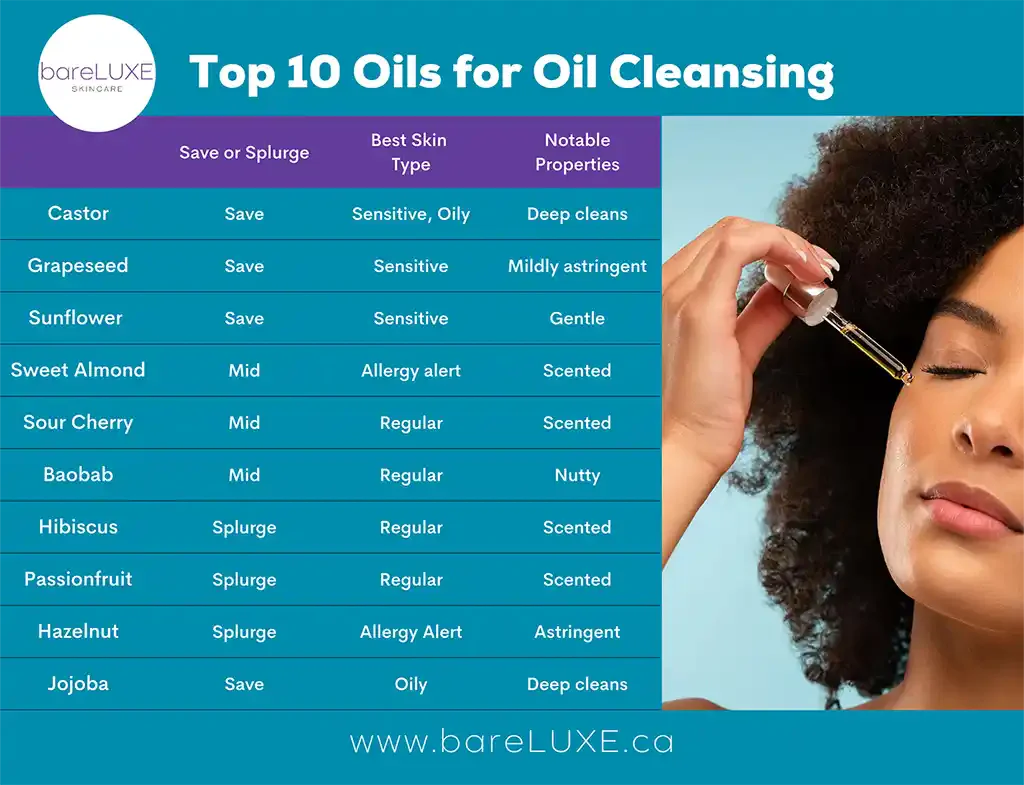
Understanding Facial Oils: A Natural Alternative to Harsh Chemicals
As we navigate the world of skincare, it’s easy to get caught up in the latest trends and products that promise rapid results. However, many commercial skincare products contain harsh chemicals that can strip our skin of its natural oils, leading to irritation, dryness, and other issues. That’s where facial oils come in – a natural, effective, and gentle way to cleanse, nourish, and protect your skin.
The Importance of Pre-Cleaning Your Skin Before Bed
Before we dive into the world of facial oils, it’s essential to understand the importance of pre-cleaning your skin before bed. This simple habit helps remove dirt, dead skin cells, and other impurities that can clog pores and lead to breakouts. By incorporating a gentle cleansing routine into your bedtime ritual, you’ll be setting yourself up for healthier, more radiant skin.
The Benefits of Facial Oils: Why You Should Make the Switch
Facial oils offer a multitude of benefits for your skin, including:
- Hydration: Facial oils help lock in moisture, leaving your skin feeling soft and supple.
- Purification: Facial oils contain antimicrobial properties that help reduce acne-causing bacteria and other impurities on the skin’s surface.
- Anti-Aging: Many facial oils contain antioxidants and essential fatty acids that help combat fine lines, wrinkles, and age spots.
- Sensitivity Reduction: Facial oils can help soothe and calm sensitive skin, reducing redness and irritation.
Choosing the Right Facial Oil for Your Skin Type
With so many facial oils on the market, it can be overwhelming to choose the right one for your skin type. Here are some tips to keep in mind:
- Dry Skin: Look for facial oils rich in emollients like coconut oil, jojoba oil, or sweet almond oil.
- Normal/Oily Skin: Facial oils with antioxidant properties like green tea extract, grape seed oil, or pomegranate oil can help balance your skin’s natural pH.
- Sensitive Skin: Opt for facial oils with anti-inflammatory properties like aloe vera, chamomile oil, or calendula oil.
The Science Behind Facial Oils: What Works and What Doesn’t
While facial oils may seem like a magical solution to all our skincare woes, there is actually science behind their benefits. Here’s what you need to know:
- Essential Fatty Acids: Facial oils contain essential fatty acids that help nourish and moisturize the skin.
- Antioxidants: Many facial oils are rich in antioxidants, which help combat free radicals and reduce inflammation.
- Moisturizing Properties: Facial oils can help lock in moisture, leaving your skin feeling soft and supple.
How to Use Facial Oils for Optimal Results
Using facial oils is easier than you think. Here’s a simple step-by-step guide to get you started:
- Apply a Few Drops: Apply a few drops of facial oil to your fingertips or directly onto your skin.
- Gently Massage: Gently massage the oil into your skin using circular motions.
- Focus on Trouble Spots: Focus on areas like fine lines, wrinkles, and acne scars.
- Layer Under Moisturizer: Apply a moisturizer to help lock in the benefits of your facial oil.
Top Facial Oils for Different Skin Types
Here are some top facial oils for different skin types:
- For Dry Skin: Coconut oil, jojoba oil, or sweet almond oil
- For Normal/Oily Skin: Green tea extract, grape seed oil, or pomegranate oil
- For Sensitive Skin: Aloe vera, chamomile oil, or calendula oil
Tips for Mixing Different Facial Oils
If you’re feeling adventurous and want to create your own customized blend, here are some tips for mixing different facial oils:
- Start with a Base Oil: Choose a base oil that suits your skin type, such as coconut oil or jojoba oil.
- Add Antioxidants: Add antioxidant-rich oils like green tea extract or grape seed oil to help combat free radicals and reduce inflammation.
- Incorporate Essential Oils: Incorporate essential oils like lavender or chamomile oil for their anti-inflammatory properties.
- Experiment and Find Your Perfect Blend: Experiment with different ratios of base oil, antioxidant oil, and essential oil to find your perfect blend.
Common Facial Oil Mistakes to Avoid
While facial oils can be incredibly beneficial, there are some common mistakes to avoid:
- Over-Using Facial Oils: Don’t over-use facial oils, as this can lead to clogged pores and skin irritation.
- Not Choosing the Right Oil for Your Skin Type: Make sure to choose a facial oil that suits your skin type to avoid any adverse reactions.
- Not Layering Under Moisturizer: Failing to layer under moisturizer can reduce the effectiveness of your facial oil.
Frequently Asked Questions
- Q: What is the best way to store facial oils?
A: Store facial oils in a cool, dark place to preserve their potency. - Q: How often should I apply facial oil?
A: Apply facial oil 1-2 times a day, depending on your skin type and needs. - Q: Can I mix different facial oils together?
A: Yes, mixing different facial oils can create a customized blend tailored to your specific skin concerns. - Q: Are facial oils suitable for sensitive skin?
A: Facial oils can be beneficial for sensitive skin when chosen carefully and used in moderation. - Q: How long do I need to wait before seeing results from using facial oil?
A: Results may vary, but consistent use over time can lead to noticeable improvements in skin health and appearance.
By incorporating facial oils into your skincare routine, you can experience a range of benefits that leave your skin feeling soft, supple, and radiant. So why not give them a try today?
Additional Resources
- The Benefits of Facial Oils: Learn more about the science behind facial oils and their benefits for your skin.
- Facial Oil Recipes: Find inspiration for creating your own customized blends tailored to your specific skin concerns.
- Tips for Choosing the Right Facial Oil: Get expert advice on choosing the right facial oil for your skin type.
Conclusion
Facial oils are a natural, effective way to cleanse, nourish, and protect your skin. By understanding the benefits of facial oils, choosing the right oil for your skin type, and using them correctly, you can unlock a brighter, healthier complexion. So why wait? Give facial oils a try today and start glowing from the inside out!
Final Thoughts
Facial oils are more than just a trendy skincare trend – they’re a natural way to take care of your skin. By incorporating facial oils into your routine, you can experience a range of benefits that leave your skin feeling soft, supple, and radiant. So why not give them a try today?
Glossary
- Antioxidants: Substances that help combat free radicals and reduce inflammation.
- Essential Fatty Acids: Fats that are essential for the health of our skin.
- Facial Oil: A natural oil used to nourish, moisturize, and protect the skin.
By understanding facial oils and how they can benefit your skin, you can unlock a brighter, healthier complexion. So why wait? Give facial oils a try today!
References
- National Institute of Health: Learn more about the benefits of essential fatty acids for our skin.
- Skincare.com: Find expert advice on choosing the right facial oil for your skin type.
By incorporating facial oils into your skincare routine, you can experience a range of benefits that leave your skin feeling soft, supple, and radiant. So why not give them a try today?
Disclaimer
This article is for informational purposes only and should not be considered as professional advice. Always consult with a dermatologist or skincare professional before starting any new skincare product or routine.
I hope you learned a lot from this 2000-word text about natural skincare and oils!


