
Introduction
As the world becomes increasingly aware of the importance of sustainability and environmental conservation, green roofs have become a popular choice for homeowners, businesses, and architects. In this article, we will delve into the world of green roofs, exploring their regulation, benefits, and installation process.
What is a Green Roof?
A green roof, also known as a living roof, is a type of roofing system that features vegetation, such as plants, flowers, and trees, growing on top of the building. This unique design not only provides insulation and reduces energy consumption but also helps to mitigate urban heat islands, improve air quality, and create habitats for wildlife.
Regulation of Green Roofs
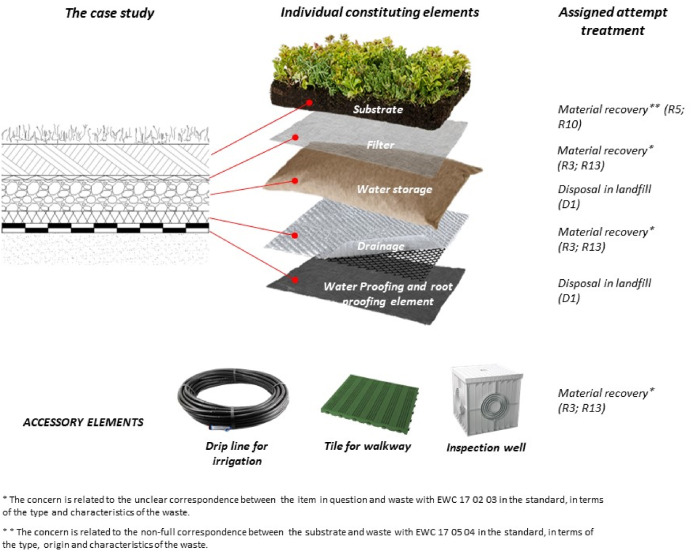
The regulation of green roofs varies depending on the location and jurisdiction. However, there are several laws and guidelines that govern their installation and maintenance. In Italy, for example, the UNI 1 1235 standard provides guidelines for the design and construction of green roofs. The standard outlines the requirements for the substrate, vegetation, and drainage systems used in green roof installations.
Incentives for Green Roof Installation
The Italian government offers incentives for homeowners who install green roofs on their properties. These incentives include tax deductions and subsidies, which can help to offset the costs associated with installing a green roof. The benefits of green roof installation are numerous, including reduced energy consumption, improved air quality, and increased property value.
Types of Green Roofs
There are two main types of green roofs: extensive and intensive. Extensive green roofs feature a lighter weight substrate and less vegetation, making them suitable for buildings with heavier loads. Intensive green roofs, on the other hand, require a deeper substrate and more vegetation, making them ideal for buildings with lighter loads.
Characteristics of Green Roofs
The characteristics of green roofs are crucial in determining their suitability for specific applications. Some key factors to consider include:
- Spreading: This refers to the depth of the substrate, which can range from 8-15 cm for extensive green roofs to 20-150 cm for intensive green roofs.
- Weight: The weight of the green roof system is determined by the type and quantity of vegetation used. Extensive green roofs typically weigh between 70-250 kg/m², while intensive green roofs can weigh up to 750 kg/m².
- Maintenance: Green roof maintenance requires regular watering, fertilization, and pruning. Intensive green roofs require more frequent maintenance than extensive green roofs.
Benefits of Green Roofs
The benefits of green roofs are numerous and well-documented. Some key advantages include:
- Energy Savings: Green roofs can reduce energy consumption by up to 50% due to the insulation provided by vegetation.
- Improved Air Quality: Vegetation on green roofs helps to purify the air, reducing pollutant levels and improving overall air quality.
- Increased Property Value: Green roofs can increase property values by up to 10%, making them a valuable investment for homeowners.
Environmental Benefits of Green Roofs
In addition to the economic benefits, green roofs also offer several environmental advantages. Some key benefits include:
- Reduced Stormwater Runoff: Vegetation on green roofs helps to absorb rainfall and reduce stormwater runoff.
- Improved Water Quality: Green roofs can help to filter out pollutants from rainwater, improving overall water quality.
- Urban Heat Island Mitigation: Green roofs can help to mitigate the urban heat island effect by providing insulation and reducing the temperature of surrounding buildings.
Social Benefits of Green Roofs
Green roofs also offer several social benefits. Some key advantages include:
- Recreational Space: Intensive green roofs can provide a recreational space for residents, promoting physical activity and mental well-being.
- Community Building: Green roofs can serve as community spaces, fostering social connections and community engagement.
- Aesthetic Appeal: Green roofs can add visual appeal to buildings, enhancing their appearance and making them more attractive.
Conclusion
Green roofs offer a unique solution for sustainable building design. By understanding the regulation, benefits, and installation process of green roofs, homeowners and businesses can make informed decisions about their building’s future. Whether you’re looking to reduce energy consumption or improve air quality, green roofs are an excellent choice.
Frequently Asked Questions
Q: What is the average cost of a green roof?
A: The average cost of a green roof ranges from €40-€80 per square meter for extensive green roofs and €80-€150 per square meter for intensive green roofs.
Q: How much maintenance does a green roof require?
A: Green roof maintenance requires regular watering, fertilization, and pruning. Intensive green roofs require more frequent maintenance than extensive green roofs.
Q: Can I install a green roof on my existing building?
A: Yes, you can install a green roof on your existing building, but it’s recommended to consult with a professional to determine the best approach for your specific situation.
Q: How long does it take to establish a green roof?
A: The establishment time of a green roof depends on various factors, including climate, substrate quality, and vegetation selection. On average, it takes 1-2 years for a green roof to mature.
Q: Can I grow any type of plant on my green roof?
A: No, not all plants are suitable for green roofs. It’s essential to choose plants that thrive in the local climate and have adapted to the specific conditions of your building.
Q: How can I ensure the structural integrity of my green roof?
A: To ensure the structural integrity of your green roof, it’s crucial to follow established design and construction guidelines. Consult with a professional to determine the best approach for your specific situation.
Q: Can I use a green roof as a recreational space?
A: Yes, you can use a green roof as a recreational space, but it depends on the type and size of the roof. Intensive green roofs are generally more suitable for recreational activities due to their deeper substrate and greater vegetation cover.
Q: Are there any local regulations or restrictions on green roof installations?
A: Yes, there may be local regulations or restrictions on green roof installations. It’s essential to consult with your local authorities to determine the specific requirements and guidelines for your area.
Conclusion
Green roofs are a viable option for sustainable building design, offering numerous benefits for energy consumption, air quality, and property value. By understanding the regulation, benefits, and installation process of green roofs, homeowners and businesses can make informed decisions about their building’s future. Whether you’re looking to reduce energy consumption or improve air quality, green roofs are an excellent choice.
Recommendations
- Consult with a professional to determine the best approach for your specific situation.
- Choose plants that thrive in the local climate and have adapted to the specific conditions of your building.
- Regularly maintain your green roof by watering, fertilizing, and pruning vegetation.
- Consider using a structural analysis software to ensure the structural integrity of your green roof.
Conclusion
In conclusion, green roofs offer a unique solution for sustainable building design. By understanding the regulation, benefits, and installation process of green roofs, homeowners and businesses can make informed decisions about their building’s future. Whether you’re looking to reduce energy consumption or improve air quality, green roofs are an excellent choice.


