
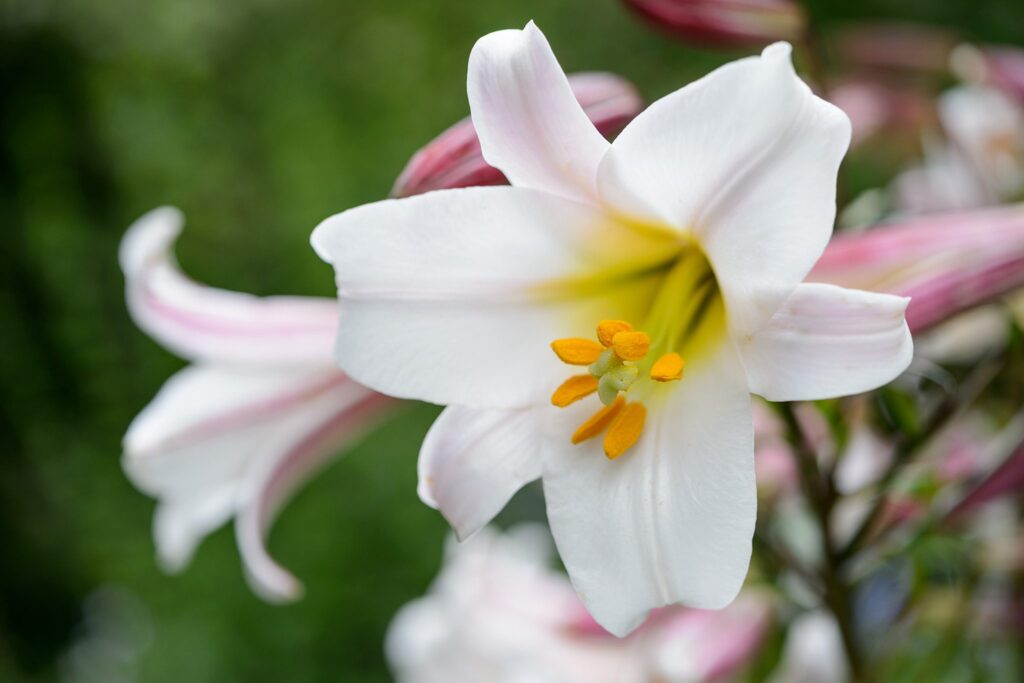
Introduction
Growing white lilies can be a rewarding experience, but it requires careful attention to their specific needs. In this article, we will explore the best practices for growing white lilies, including their history, symbolism, and cultural significance.
White lilies have been a popular choice for gardens and floral arrangements for centuries, and it’s easy to see why. Their elegant white blooms are a symbol of purity, innocence, and strength, making them a versatile and meaningful flower in various contexts. In this article, we will delve into the world of white lilies, covering their history, care requirements, and tips for growing these beautiful flowers.
What is the Significance of White Lilies?
In the language of flowers, white lilies are a symbol of purity and innocence. They have been used in many religious ceremonies and are often associated with the Virgin Mary. The white lily is also a powerful symbol of strength and resilience, as it can thrive in challenging environments.
The symbolism of white lilies has its roots in ancient Greece and Rome, where they were considered sacred flowers. In Christianity, white lilies are often used to represent the Virgin Mary, and their purity is seen as a reflection of her divine nature.
In modern times, white lilies continue to be a popular choice for weddings, funerals, and other significant events. They are also used in floral arrangements to add a touch of elegance and sophistication.
Choosing the Right Variety
There are several varieties of white lilies to choose from, each with its own unique characteristics. Some popular varieties include:
- ‘Madonna’ – A classic variety known for its large, showy blooms.
- ‘Santa’ – A compact variety that is perfect for smaller gardens or containers.
- ‘Star Gazer’ – A tall, stately variety that produces delicate, star-shaped blooms.
When choosing a variety of white lily, consider the climate and growing conditions in your area. Some varieties are more tolerant of heat or cold than others, so be sure to choose one that is well-suited to your region.
Growing Conditions
White lilies prefer well-draining soil and full sun to partial shade. They can thrive in a variety of environments, including rocky soils and areas with poor drainage. However, they do require regular watering and fertilization to maintain their health and vigor.
Here are some specific growing conditions to keep in mind:
- Soil: White lilies prefer a well-draining mix that is rich in organic matter.
- Sunlight: Full sun to partial shade is ideal for white lilies.
- Watering: Regular watering is necessary, but avoid overwatering, which can lead to root rot and other problems.
- Fertilization: Feed your white lilies with a balanced fertilizer in the spring and again after flowering.
Soil Preparation
Before planting white lilies, it’s essential to prepare the soil properly. White lilies prefer a well-draining mix that is rich in organic matter. If your soil is heavy clay or sandy, consider amending it with compost or other organic matter.
Here are some tips for preparing your soil:
- Add compost or well-rotted manure to improve drainage and fertility.
- Mix in a balanced fertilizer to provide essential nutrients.
- Remove any debris or rocks that may interfere with root growth.
Planting Bulbs
White lilies are typically planted in the spring or fall, when the weather is cooler. Plant the bulbs 3-4 times deeper than the height of the bulb and space them about 20 cm apart. Water well after planting and keep the soil consistently moist during the first growing season.
Here are some tips for planting white lily bulbs:
- Choose healthy bulbs with no signs of damage or disease.
- Plant the bulbs in a location that receives full sun to partial shade.
- Water thoroughly after planting and maintain consistent moisture during the first growing season.
Fertilization
White lilies require regular fertilization to promote healthy growth and blooming. Feed them with a balanced fertilizer in the spring and again after flowering.
Here are some tips for fertilizing your white lilies:
- Use a balanced fertilizer that is high in phosphorus, which promotes root growth and blooming.
- Apply the fertilizer in the early spring, when new growth begins to emerge.
- Repeat the fertilizer application after flowering, when the foliage is at its most vigorous.
Pruning and Maintenance
To encourage repeat blooming, remove the flower head as soon as it fades. This will help direct the plant’s energy towards re-growing the bulb. Regular pruning can also help control the size of the plant and promote healthy growth.
Here are some tips for pruning and maintaining your white lilies:
- Remove the flower head after blooming to encourage repeat flowering.
- Cut back the foliage to about 6-8 inches from the ground after blooming, to promote new growth.
- Prune any dead or damaged leaves or stems to maintain plant health.
Common Problems
White lilies are susceptible to a number of common problems, including:
- Powdery mildew – A fungal disease that can cause white powdery spots on the leaves and flowers.
- Rust – A fungal disease that can cause reddish-brown spots on the leaves and flowers.
- Root rot – A bacterial infection that can cause the roots to rot, leading to plant death.
Here are some tips for preventing and treating common problems:
- Inspect your plants regularly for signs of disease or pests.
- Remove any infected or damaged leaves or stems promptly.
- Treat fungal diseases with fungicides, and bacterial infections with antibiotics.
Conclusion
Growing white lilies can be a rewarding experience, but it requires careful attention to their specific needs. By following these tips and guidelines, you can enjoy beautiful blooms in your garden or indoor space.
Whether you’re looking for a classic variety like ‘Madonna’ or something more unique like ‘Star Gazer’, there’s a white lily out there that will suit your needs. With proper care and attention, these beautiful flowers can thrive in even the most challenging environments.
So why not give growing white lilies a try? With their elegant blooms and symbolic meaning, they’re sure to bring beauty and joy to your life.
Frequently Asked Questions
Q: What is the best time to plant white lilies?
A: The best time to plant white lilies is in the spring or fall, when the weather is cooler.
Q: How often should I fertilize my white lilies?
A: Feed your white lilies with a balanced fertilizer in the spring and again after flowering.
Q: Can I grow white lilies in containers?
A: Yes, you can grow white lilies in containers. Use a well-draining potting mix and keep the soil consistently moist.
Q: How often should I water my white lilies?
A: Water your white lilies regularly, but avoid overwatering, which can lead to root rot and other problems.
Q: Can I grow white lilies indoors?
A: Yes, you can grow white lilies indoors. Choose a location with bright, indirect light and maintain a consistent temperature between 65-75°F (18-24°C).
Q: What is the best way to care for my white lilies after they bloom?
A: After the blooms have faded, remove the flower head and allow the foliage to die back naturally. This will help recharge the bulb for next year’s bloom.
Q: Can I grow multiple varieties of white lilies together?
A: Yes, you can grow multiple varieties of white lilies together, but choose varieties that are compatible with each other in terms of growth habits and blooming times.
Q: How long do white lilies typically take to bloom after planting?
A: White lilies typically take 6-12 weeks to bloom after planting, depending on the variety and growing conditions.


