
The Dangers of Using Bleach and Why You Should Consider Alternatives
Bleach is a common household item that’s often used to whiten clothes and disinfect surfaces. However, its harsh chemicals can pose serious health risks and damage our environment. In this article, we’ll explore the dangers of using bleach and provide you with tips on how to replace it with safer alternatives.
The Problem with Bleach: A Look at Sodium Hypochlorite
Sodium hypochlorite is the active ingredient in bleach, making it a potent disinfectant. However, its oxidizing action can also cause damage to fabrics and surfaces. When used excessively, bleach can lead to respiratory problems, skin irritation, and even cancer.
Why We Use Bleach: A Closer Look at Our Habits
We often use large quantities of bleach for various purposes, including laundry, cleaning, and disinfecting. Unfortunately, we’re not always thorough in rinsing our washing machines, leaving behind residues that can become powerful allergens on contact with our skin.
The Environmental Impact of Bleach: A Toxic Substance
Sodium hypochlorite is used domestically due to its oxidizing action, making it a whitening and disinfecting agent. However, its impact on the environment cannot be ignored. The two warning symbols related to sodium hypochlorite warn consumers that it’s a corrosive and highly toxic substance.
The Hidden Dangers of Bleach: Why You Should Be Cautious
Bleach damages fabrics and can cause skin irritation. If you don’t want to damage your clothes, then do it for the environment: bleach is bad news for our planet.
How to Replace Bleach: A Safer Alternative for Laundry
For safe and clean laundry, try using baking soda as a natural alternative to bleach. Add half a cup of baking soda to your natural laundry detergent to get cleaner laundry. Baking soda also eliminates typical odors from washing machines.
Beyond Laundry: Using Baking Soda for Sanitizing
Not just for laundry! Add a cup of baking soda with half a cup of liquid Marseille soap, add another half cup of lemon juice and 10 drops of eucalyptus essential oil. This compound can sanitize clothing and disinfect floors and tiles.
The Power of Vinegar: A Natural Disinfectant
Vinegar has a powerful disinfecting power that makes it useful for laundry and cleaning floors. It’s a great alternative to bleach, and you can use it in small amounts.
Essential Oils: The Secret to Safer Cleaning
Many essential oils have antibacterial properties, making them perfect for domestic tasks. Among them is Tea Tree Oil, which has high antibacterial power.
Alternatives to Laundry Detergents: Homemade Preparations
Bleach can be replaced with homemade preparations, and we’ve got some recipes listed in our article “How to Make Your Own Laundry Detergent.”
Common Household Items You Can Use Instead of Bleach
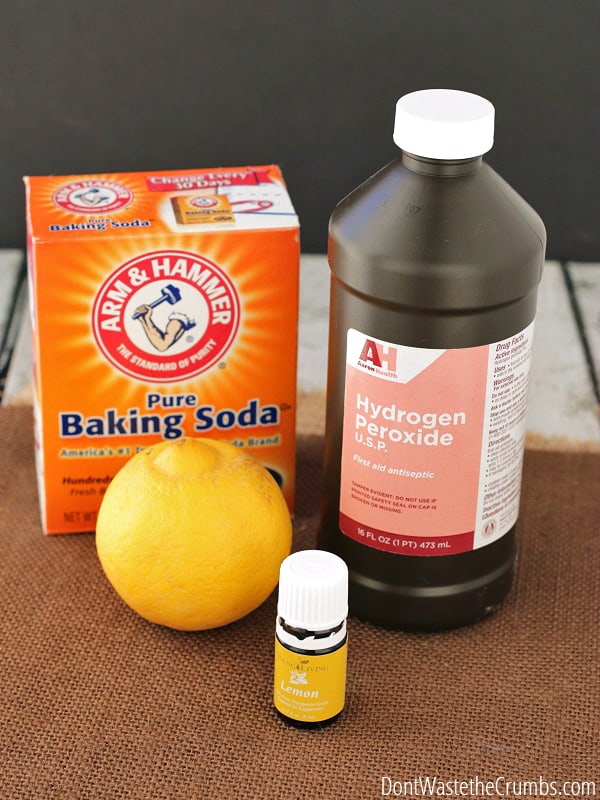
- Hydrogen peroxide: This is a natural disinfectant that’s safe for use on fabrics and surfaces.
- Baking soda: As mentioned earlier, baking soda can be used as a natural alternative to bleach in laundry.
- Vinegar: Vinegar has a powerful disinfecting power that makes it useful for laundry and cleaning floors.
- Essential oils: Many essential oils have antibacterial properties, making them perfect for domestic tasks.
DIY Recipes for Safer Cleaning
Here are some DIY recipes you can use to replace bleach:
- All-purpose cleaner: Mix 1 cup of water with 1/2 cup of white vinegar and 10 drops of lemon essential oil.
- Disinfectant spray: Mix 1 cup of water with 1/4 cup of hydrogen peroxide and 10 drops of tea tree essential oil.
- Natural bleach substitute: Mix 1 cup of baking soda with 1/2 cup of liquid Marseille soap and 10 drops of eucalyptus essential oil.
Benefits of Using Safer Alternatives to Bleach
Using safer alternatives to bleach has numerous benefits, including:
- Reduced exposure to harsh chemicals
- Improved health and well-being
- Environmental sustainability
- Cost savings
Conclusion: A Safer Alternative for a Healthier Home
Replacing bleach with safer alternatives is a great step towards creating a healthier home. By using baking soda, vinegar, essential oils, and homemade laundry detergent, you can keep your clothes and surfaces clean without exposing yourself to harsh chemicals.
Frequently Asked Questions (FAQs)
- What are the health risks associated with using bleach?
Using bleach can lead to respiratory problems, skin irritation, and even cancer due to its harsh chemicals.
2. Can I use baking soda as a substitute for bleach in laundry?
Yes, you can use baking soda as a natural alternative to bleach in laundry. Add half a cup of baking soda to your natural laundry detergent for cleaner laundry.
3. What are some other alternatives to bleach for sanitizing and disinfecting surfaces?
Vinegar, essential oils (such as Tea Tree Oil), and homemade preparations like lemon juice and soap can be used as effective alternatives to bleach.
4. Can I use bleach to whiten clothes?
No, it’s not recommended to use bleach to whiten clothes. Bleach damages fabrics and can cause skin irritation.
5. What are some eco-friendly laundry detergents available in the market?
There are many eco-friendly laundry detergents available that are free from harsh chemicals like bleach.
- How often should I rinse my washing machine to remove bleach residues?
It’s recommended to rinse your washing machine thoroughly after each use to remove any bleach residues.
7. Can I use bleach to clean floors and surfaces?
No, it’s not recommended to use bleach to clean floors and surfaces. Bleach can damage materials and harm the environment.
- What are some natural disinfectants that can replace bleach?
Vinegar, essential oils (such as Tea Tree Oil), and homemade preparations like lemon juice and soap can be used as effective alternatives to bleach.


