
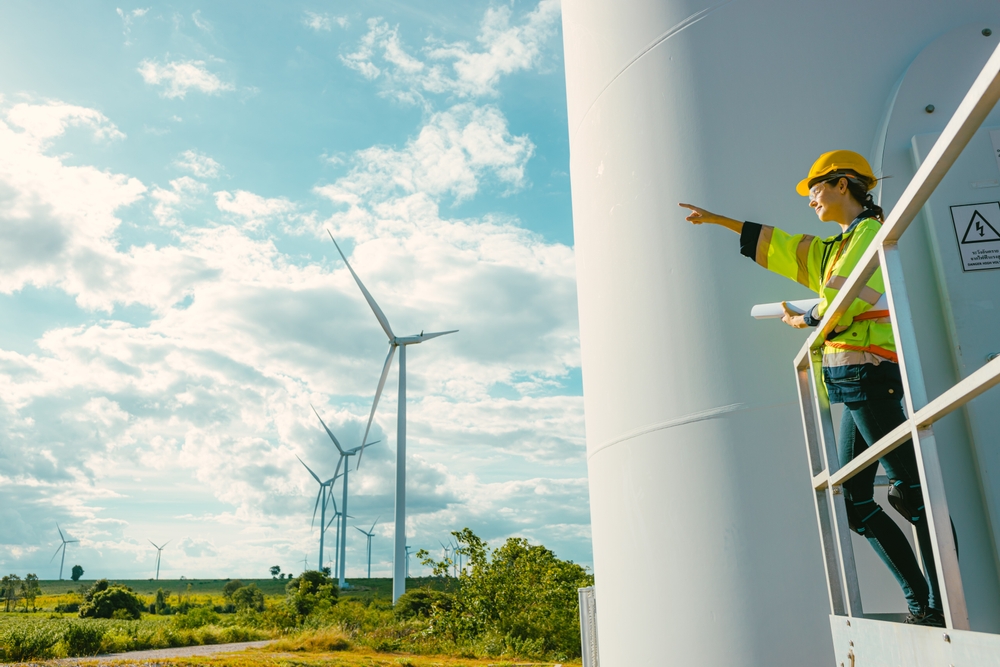
As the world grapples with environmental challenges, there’s a growing demand for sustainable careers that prioritize the health of our planet. Despite economic uncertainty, young people are increasingly seeking opportunities to make a positive impact through eco-friendly endeavors. In response, the World Wildlife Fund (WWF) Italy, in collaboration with the University of Naples “Parthenope” and the Fondazione Simone Cesaretti, has organized an exciting event that’s sure to inspire.
What is Sustainable Careers?
Sustainable careers refer to jobs that not only contribute to economic growth but also protect the environment and promote social responsibility. These careers are in high demand, with young people eager to join the green economy revolution. By working together with organizations like WWF Italy, we can create a more sustainable future for all.
Workshop Details
The workshop, titled “System Young People and Sustainability of Well-being,” will take place on Friday, October 5th, 2012, at 9:30 am in Naples’ Palazzo Pacanowsky (via Generale Parisi, 13). This event is part of a series of conferences aimed at engaging with young people and exploring new opportunities for careers in the green economy.
WWF’s Role
As a global organization, WWF Italy has been working tirelessly to promote sustainability and conservation efforts. By partnering with universities and local communities, we’re creating a network of like-minded individuals who share a passion for environmental protection.
Why is Environmental Conservation Important?
Environmental conservation isn’t just about protecting our planet in large-scale contexts; it’s also crucial at the local level. By engaging with young people, we can inspire them to become involved in sustainable initiatives that benefit their communities.
The Future of Young People: Career Opportunities and Education
To address the evolving landscape of sustainable careers, universities must adapt by offering relevant programs and training opportunities. The WWF Italy initiative aims to bring together experts from various fields to explore new approaches for education and career development.
Breaking Down Barriers: Green Economy Jobs for Young People
The green economy offers a wide range of exciting career opportunities for young people. By joining forces with local communities, organizations like WWF Italy can create job opportunities that benefit both the environment and the economy.
Key Takeaways from the Workshop
- The importance of sustainability in education and career development
- Opportunities for young people to engage in environmental conservation efforts
- Strategies for creating a network of sustainable careers
Conclusion
As we navigate the complexities of the green economy, it’s clear that sustainable careers will play a vital role in shaping our collective future. By engaging with young people and promoting education and training opportunities, we can create a world where sustainability is no longer just an ideal – but a reality.
Frequently Asked Questions (FAQs)
Q: What inspired the WWF Italy initiative?
A: The WWF Italy initiative was born out of a desire to promote sustainable careers and engage young people in environmental conservation efforts.
Q: What are some common green economy jobs for young people?
A: Some examples of green economy jobs for young people include sustainability consultant, renewable energy engineer, and environmental policy analyst. Other roles may include eco-consultant, sustainability manager, and green infrastructure developer.
Q: How can I get involved in the WWF Italy initiative?
A: You can learn more about the WWF Italy initiative by attending upcoming workshops or joining their online community. The WWF Italy team is also happy to provide guidance on how to get involved in sustainable careers and environmental conservation efforts.
Q: What role does education play in sustainable careers?
A: Education is crucial for developing the skills and knowledge needed to pursue sustainable careers. Universities must adapt by offering relevant programs and training opportunities that cover topics such as sustainability, renewable energy, and environmental policy. This may include courses on green infrastructure development, eco-consulting, and sustainability management.
Q: How can young people make a positive impact through environmental conservation efforts?
A: Young people can make a difference by engaging with local communities, participating in volunteer work, and advocating for sustainability policies. They can also join organizations like WWF Italy and other environmental groups to contribute their skills and knowledge.
Q: What are some key strategies for creating a network of sustainable careers?
A: Strategies include partnering with organizations like WWF Italy, fostering collaboration between universities and local communities, promoting education and training opportunities, and encouraging innovation in the green economy. Additionally, governments can play an important role by providing incentives for sustainable careers and investing in green infrastructure.
Q: How can I stay updated on the latest developments in the green economy?
A: Stay informed by following reputable sources such as WWF Italy, the International Renewable Energy Agency (IRENA), and the United Nations Environment Programme (UNEP). Attend workshops and conferences to learn from experts in the field. Join online communities and forums to engage with others who share your interests.
Q: What are some common challenges facing sustainable careers?
A: Challenges include balancing economic growth with environmental protection, addressing climate change, ensuring equitable access to education and training opportunities, and promoting sustainability policies at local and national levels.
Q: How can I contribute to the development of sustainable careers in my community?
A: You can start by volunteering with local organizations that focus on environmental conservation. Participate in advocacy efforts to promote sustainability policies. Share your knowledge and skills with others by teaching workshops or leading training sessions. Encourage businesses and governments to adopt sustainable practices.
Unlocking Your Potential
To unlock your potential and pursue a career in the green economy, consider the following tips:
- Gain relevant education and training: Invest in courses and programs that focus on sustainability, renewable energy, environmental policy, and eco-consulting.
- Develop transferable skills: Focus on building skills such as communication, project management, problem-solving, and data analysis, which are valuable in the green economy.
- Network and build connections: Attend workshops, conferences, and events to meet professionals in the field and learn about job opportunities.
- Stay up-to-date with industry developments: Follow reputable sources, participate in online forums, and read industry publications to stay informed about the latest trends and innovations.
Conclusion
As we navigate the complexities of the green economy, it’s clear that sustainable careers will play a vital role in shaping our collective future. By engaging with young people and promoting education and training opportunities, we can create a world where sustainability is no longer just an ideal – but a reality.


