
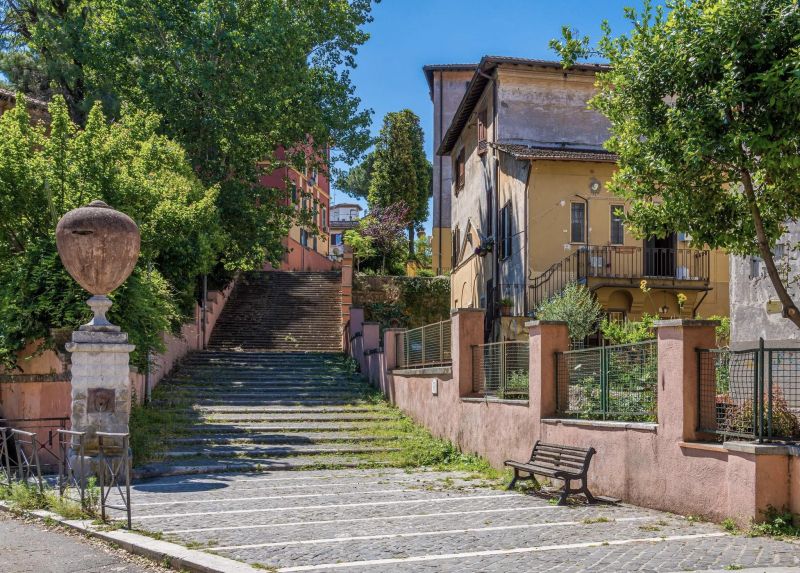
In the heart of Rome, a community-driven project has emerged as a beacon of hope amidst economic uncertainty. The urban gardens of Garbatella, an area of 45,000 square meters designated for green spaces since 1996, have become a symbol of resilience and collective action. As we explore this initiative, we’ll delve into the world of permaculture, social connections, and community-driven initiatives that are transforming lives in one of Rome’s most fascinating neighborhoods.
What are Urban Gardens?
The “Orti Urbani Garbatella” project is an ongoing endeavor by the Circolo Garbatella of Legambiente to create a public park in a previously underutilized area. The initiative was born from the collaboration of numerous local associations, which formed the Coordinamento Orti Urbani Garbatella in 2009. The goal of this undertaking is multifaceted:
- Protecting green spaces from speculative urban development
- Supporting local residents’ economic well-being through income-generating activities
- Fostering models of self-sufficiency, sharing, and community organization
- Encouraging social connections and community events
Who Participates in the Urban Gardens?
Today, the gardens are home to 25 plots, each approximately 40 square meters. Five plots are assigned to local associations, while a larger number of participants, including:
- 100+ children and their instructors: The “orti didattici” (educational gardens) provide hands-on learning experiences for students from local schools.
- 70-80 volunteers: Legambiente’s volunteers, along with those from Casetta Rossa, contribute to the gardens’ maintenance and management.
- 10-15 community members per rotation: Associations like ASINITAS and CEMEA bring together immigrants, assistants, and people of all abilities for collaborative garden work.
- Single residents: Approximately three individuals are assigned to each plot, representing a diverse range of backgrounds.
The Benefits of Urban Gardens
Urban gardens have numerous benefits, including:
- Reduced carbon footprint: By using natural methods for plant care, urban gardens reduce the need for chemical fertilizers and pesticides, leading to lower greenhouse gas emissions.
- Improved air quality: Green spaces like urban gardens help purify the air by removing pollutants and particulate matter.
- Increased biodiversity: Urban gardens provide a habitat for local wildlife, supporting ecosystem services like pest control and nutrient cycling.
Is the Urban Garden Movement Socially Valuable?
The gardens have become a hub for social connections among participants, who share experiences, knowledge, and resources. This sense of community is fostered through various activities:
- Regular meetings and gatherings
- Cooperative management of common spaces
- Workshops on permaculture and sustainable living
These efforts aim to create a network of support and solidarity within the community.
What Role Do Public Contributions Play in Supporting Urban Gardens?
The project has garnered contributions from both public and private sources:
- Public funding: The municipal government’s initial agreement for the area’s green space designation paved the way for subsequent collaborations with local organizations.
- Private donations: Organizations like Maxxi, Tecnogarden Service, and individuals have provided valuable resources, including land, equipment, and expertise.
Can Urban Gardens Help Mitigate Soil Consumption?
The gardens can indeed play a significant role in reducing soil consumption:
- By promoting sustainable practices and community engagement
- Through information dissemination to the broader public
As the urban garden movement grows, its impact on the local environment and communities will become increasingly apparent.
Are There Similar Initiatives Elsewhere?
Yes, there are! The Association Zappata has compiled a comprehensive list of shared gardens in Rome. Visit www.zappataromana.net to discover more about these initiatives and how to get involved.
Challenges Facing Urban Gardens
Despite the many benefits, urban gardens also face challenges:
- Limited resources: The project relies on donations from local organizations and individuals to maintain the garden.
- Bureaucratic hurdles: Obtaining permits and approvals can be time-consuming and frustrating for community members.
Conclusion: A Story from the Garbatella Urban Gardens
In this neighborhood, children’s eyes widen as they watch seeds sprout and grow. They marvel at the sight of slugs and worms working together to fertilize the soil. Adults come together to share meals, exchange stories, and work towards a common goal.
These urban gardens are more than just a place for growing plants; they represent a beacon of hope in a world where crisis can seem overwhelming.


