
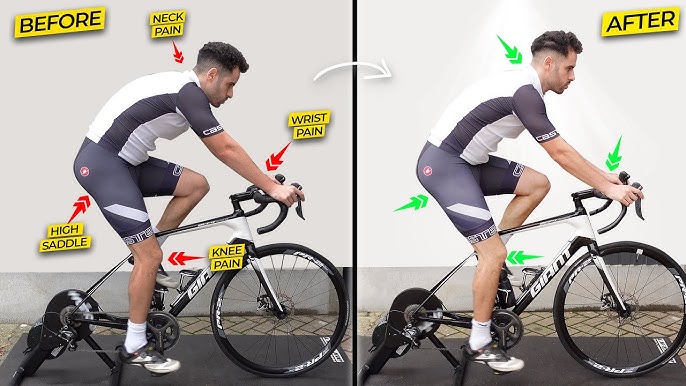
As a cyclist, understanding the correct positioning of your bike can make all the difference between a comfortable and efficient ride. But what does “correct” even mean? The answer lies in finding a position that works best for you, as everyone’s body is unique.
In this article, we’ll delve into the world of bike positioning, exploring the key factors to consider and providing tips on how to adjust your setup for optimal comfort and performance.
Understanding Your Bike Position
There’s no one-size-fits-all approach to bike positioning. What works for one person may not work for another, depending on their individual body dimensions, riding style, and preferences.
Think of it like finding the perfect pair of shoes – what works for someone else might not work for you. So, how do you find your ideal bike position? Here are some key factors to consider:
- Saddle Height: The saddle height is measured from the bottom of the saddle to the pedal when in its lowest point. A good starting point is an angle of around 25 degrees from a straight line.
- Crank Arm Length: Adjusting the crank arm length can help you find your optimal position. Aim for a leg extension of around 130-140 degrees.
- Handlebar Height and Position: The handlebar height and position can greatly impact your riding comfort and efficiency. Experiment with different angles and positions to find what works best for you.
The Importance of Proper Bike Positioning
Proper bike positioning is crucial for several reasons:
- Comfort: A well-adjusted bike can reduce fatigue, discomfort, and even pain.
- Performance: Optimal bike positioning can improve your efficiency, speed, and overall riding experience.
- Injury Prevention: Poor bike positioning can lead to overuse injuries, such as knee strain or back pain.
Factors Affecting Bike Position
Several factors can impact your bike position, including:
- Body Type: Your body shape and size can affect how you sit on the saddle and hold the handlebars.
- Riding Style: Different riding styles, such as racing or mountain biking, require different positions.
- Terrain: Riding on different terrain, such as hills or flat ground, can impact your bike position.
- Equipment: The type of equipment you use, such as a road bike or mountain bike, can affect your bike position.
Adjusting Your Bike Position
Adjusting your bike position involves making changes to the saddle height, crank arm length, and handlebar height and position. Here are some tips to help you make these adjustments:
- Use a Bike Fitting Tool: A bike fitting tool can help you adjust the saddle height, crank arm length, and handlebar height and position.
- Experiment with Different Settings: Don’t be afraid to try out different settings and adjust as needed.
- Get Professional Help: If you’re still unsure, consult a professional mechanic or bike fitter for personalized guidance.
Common Issues and Solutions
Here are some common issues that can impact your bike position and solutions:
- Saddle Height Too Low: Symptoms include knee pain and discomfort. Solution: Adjust the saddle height to a more upright position.
- Crank Arm Length Too Long: Symptoms include leg strain and fatigue. Solution: Adjust the crank arm length to reduce the leg extension.
- Handlebar Position Too High: Symptoms include neck strain and discomfort. Solution: Adjust the handlebar position to a lower angle.
Conclusion
Finding the perfect bike position takes time and experimentation. By understanding the key factors that impact bike positioning and following these tips, you can optimize your setup for comfort, efficiency, and performance.
Happy cycling!
Frequently Asked Questions (FAQs)
- What is the ideal saddle height?
- Aim for an angle of around 25 degrees from a straight line.
- How do I adjust my crank arm length?
- Experiment with different lengths to find your optimal leg extension (around 130-140 degrees).
- Why is handlebar position important?
- Proper handlebar positioning can impact comfort, efficiency, and overall riding experience.
- What are the benefits of proper bike positioning?
- Improved comfort, performance, and reduced risk of injury.
- How do I know if my bike is set up correctly?
- Pay attention to your body and make adjustments based on how you feel.
By following these tips and being patient with the process, you’ll be well on your way to finding the perfect bike position for your unique needs.


