
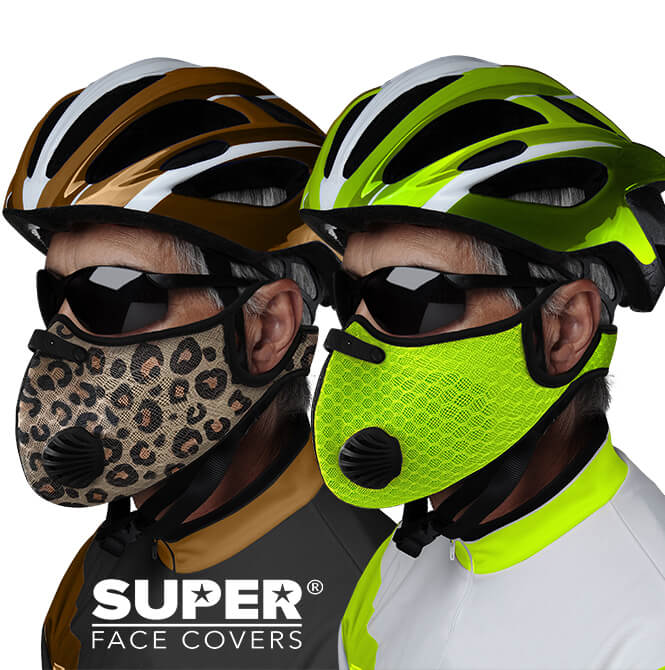
As a cyclist, you’re no stranger to the joys of riding through your local city streets. However, have you ever stopped to think about the impact that smog and pollutants in the air can have on your health? Wearing a mask can be an effective way to protect yourself from these hazards, especially during peak hours when traffic is at its worst.
In this article, we’ll explore two types of masks that are popular among cyclists: those with activated carbon filters and those without. We’ll also discuss the benefits of each type and why they’re essential for anyone who spends a lot of time on their bike.
The Importance of Air Quality
When it comes to air quality, there’s no such thing as “good enough.” Even small amounts of pollutants can have serious health consequences, including respiratory problems and cardiovascular disease. As a cyclist, you’re more exposed to these hazards than most people, especially when riding in urban areas.
That’s why wearing a mask is an essential part of your cycling routine. By filtering out particles and pollutants from the air, masks can help reduce your exposure to smog and keep you healthier for longer.
Types of Masks
There are two main types of masks that are popular among cyclists: those with activated carbon filters and those without. Let’s take a closer look at each type:
Masks with Activated Carbon Filters
Masks with activated carbon filters are the most effective way to protect yourself from pollutants in the air. These masks use carbon to absorb VOCs (volatile organic compounds) and other pollutants, which can help reduce your exposure to smog.
The benefits of these masks are numerous:
- They’re highly effective at filtering out particles and pollutants
- They’re easy to breathe through, making them perfect for long rides
- They come in a range of styles and sizes to fit different face shapes and preferences
However, there is one major drawback: carbon filters need to be replaced regularly. This can be inconvenient, but it’s essential to maintaining the effectiveness of your mask.
Masks without Activated Carbon Filters
Masks without activated carbon filters may seem like a less expensive option, but they’re actually not as effective at filtering out pollutants. These masks are often made with simpler materials and don’t have the same level of filtration power as their carbon-filtered counterparts.
While they may be cheaper upfront, these masks can actually end up costing more in the long run due to the need for frequent replacement or repairs.
Key Features to Look For
When shopping for a mask, there are several key features you should look for:
- Filter material: Look for masks with high-quality filter materials that can effectively capture particles and pollutants.
- Ventilation: A well-ventilated mask is essential for preventing moisture buildup and keeping your face dry.
- Adjustability: An adjustable mask will ensure a comfortable fit for any face shape or size.
Top Picks
Here are some top picks for masks that meet our criteria:
- Powzdi Protezione Sportiva Mascherine: These masks have two valves and a carbon filter, making them an excellent choice for cyclists.
- Copri Bocca Maschere Anti: These masks also feature two valves and a carbon filter, but are slightly more affordable than the Powzdi model.
Conclusion
Wearing a mask can be an effective way to protect yourself from smog and pollutants in the air. By choosing the right type of mask for your needs, you can reduce your exposure to these hazards and stay healthier for longer.
Remember, masks are just one part of a comprehensive approach to protecting your health. Always follow safe riding practices and take regular breaks to rest and hydrate during long rides.
Frequently Asked Questions
Here are some frequently asked questions about wearing a mask as a cyclist:
Q: Why do I need to wear a mask when cycling?
A: Wearing a mask can help reduce your exposure to smog and pollutants in the air, which can have serious health consequences.
Q: What type of filter is best for masks?
A: Activated carbon filters are highly effective at filtering out particles and pollutants from the air.
Q: How often do I need to replace my mask’s filter?
A: The frequency of replacement will depend on the specific mask and its filtration material, but generally, it should be replaced every 1-3 months or sooner if the filter becomes saturated with debris.
Q: Can masks really make a difference in reducing exposure to smog?
A: Absolutely! Masks can reduce your exposure to pollutants by up to 95%, making them an essential part of any cycling routine.
Q: Are all masks created equal when it comes to filtering out particles and pollutants?
A: No, not all masks are created equal. Some may have inferior filtration materials or designs that don’t provide adequate protection.
Q: Can I wear a mask if I’m already experiencing respiratory problems?
A: If you’re experiencing respiratory problems, it’s best to consult with your doctor before wearing a mask. They can help determine the best course of action for your specific health needs.
Q: How do I clean and maintain my mask to keep it effective?
A: Regularly cleaning and maintaining your mask is crucial to keeping it effective. Follow the manufacturer’s instructions for proper care and maintenance.
Additional Tips
Here are some additional tips to help you stay safe while cycling:
- Always check local air quality indexes before heading out on a ride.
- Consider using a bike with an integrated mask or a mask specifically designed for cyclists.
- Practice good hygiene habits, such as washing your hands frequently and avoiding touching your face.
By following these tips and choosing the right type of mask, you can enjoy a healthier and more comfortable cycling experience. Happy riding!
Conclusion
In conclusion, wearing a mask is an essential part of any cyclist’s routine. By understanding the benefits and drawbacks of different types of masks, cyclists can make informed decisions about which masks to wear and when. Whether you’re a seasoned pro or just starting out, taking steps to protect yourself from smog and pollutants in the air can help keep you healthy and happy on your bike.
Remember, safety should always be your top priority when cycling. Stay safe, stay healthy, and enjoy the ride!


