
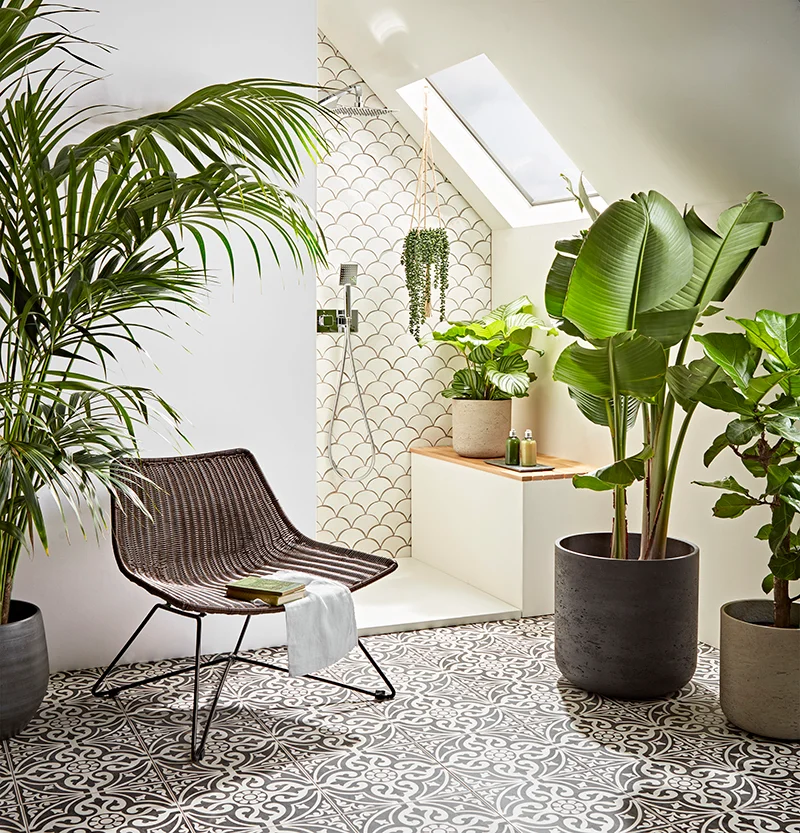
As you step into your bathroom, you’re surrounded by a humid environment that can be challenging to navigate. However, adding some greenery to the space can make all the difference. In this article, we’ll explore the benefits of growing plants in your bathroom and provide tips on selecting the right species for your unique conditions.
The Benefits of Bathroom Plants
Plants in your bathroom offer numerous advantages, including:
- Air purification: By removing pollutants like formaldehyde, benzene, and trichloroethylene from the air, plants create a healthier environment.
- Humidity regulation: Plants absorb excess moisture, helping to maintain a balanced humidity level that prevents mold and mildew growth.
- Ambiance creation: Bathroom plants can add a touch of elegance and serenity to your space.
Choosing the Right Plant for Your Conditions
When it comes to selecting the perfect plant for your bathroom, there are three main factors to consider:
- Lighting conditions: If your bathroom receives little natural light, you’ll need to choose plants that thrive in low-light environments.
- Temperature and humidity levels: Plants have different temperature and humidity requirements, so it’s essential to select species that can adapt to your bathroom’s unique climate.
- Maintenance and care: Consider the level of maintenance and care required for each plant, ensuring you choose a species that fits your lifestyle.
Plants That Purify the Air
Some plants are naturally better equipped to purify the air in your bathroom than others. These include:
- Ficus benjamin: This plant is known for its ability to remove formaldehyde and benzene from the air.
- Aloe vera: Aloe vera is a low-maintenance plant that can help regulate humidity levels and absorb pollutants like trichloroethylene.
- Peace lily: Peace lilies are excellent at removing ammonia and benzene from the air, making them an ideal choice for bathrooms.
Tips for Growing Plants in Low-Light Environments
If your bathroom receives little natural light, don’t worry! There are still plenty of plant species that can thrive in low-light conditions. Here are some tips to get you started:
- Choose the right plant: Select plants like Chinese Evergreen, Pothos, or Dracaena, which are known for their ability to tolerate low light.
- Use grow lights: Consider investing in grow lights to supplement natural light and provide your plants with the necessary spectrum for growth.
- Maintain proper temperature and humidity levels: Keep your bathroom at a comfortable temperature between 65°F to 75°F (18°C to 24°C) and maintain optimal humidity levels.
Plants That Require Less Maintenance
If you’re short on time or prefer low-maintenance plants, consider the following species:
- Bulbs: Bulb plants like tulips, daffodils, and hyacinths are perfect for bathrooms with limited space. They require minimal care and can add a pop of color to your space.
- Succulents: Succulents like aloe vera, echeveria, and crassula are incredibly low-maintenance and can thrive in even the most challenging conditions.
Decorative Vases for Your Bathroom Plants
When it comes to choosing vases for your bathroom plants, consider the following:
- Material: Opt for vases made from durable materials like ceramic or glass, which can withstand high humidity levels.
- Design: Select vases with unique designs that complement your bathroom’s decor and add a touch of elegance to your space.
By following these tips and selecting the right plants for your unique conditions, you can create a beautiful and healthy oasis in your bathroom. Happy planting!
Frequently Asked Questions
-
Which plants are best suited for bathrooms with no natural light?
- Plants like Chinese Evergreen, Pothos, or Dracaena are excellent choices for low-light environments.
-
How often should I water my bathroom plants?
-
Water your plants when the top inch of soil feels dry to the touch, usually once a week during spring and summer months.
-
Can I use tap water for my bathroom plants?
-
Use filtered or distilled water to prevent mineral buildup in the soil and reduce the risk of root rot.
-
How do I maintain optimal humidity levels in my bathroom?
-
Use a humidifier or group plants together to create a microclimate that maintains optimal humidity levels.
-
Can I grow plants in a bathroom with high temperatures?
-
Some plants, like peace lilies and snake plants, can tolerate high temperatures. However, most plants prefer temperatures between 65°F to 75°F (18°C to 24°C).
-
Are there any plants that can help purify the air in my bathroom?
-
Yes, plants like ficus benjamin, aloe vera, and peace lily are excellent at removing pollutants from the air.
-
Can I use fertilizers on my bathroom plants?
-
Use balanced, water-soluble fertilizers during the growing season to promote healthy growth and prevent nutrient deficiencies.
Planting Tips for Bathroom Success
When planting your bathroom plants, consider the following tips:
- Choose a well-draining pot: Select pots with good drainage holes to prevent waterlogged soil.
- Use a potting mix specifically designed for bathrooms: These mixes are formulated to handle high humidity levels and prevent root rot.
- Plant in a location that receives gentle air circulation: This will help prevent fungal diseases and promote healthy growth.
Common Bathroom Plant Problems
Despite their many benefits, bathroom plants can be susceptible to certain problems. Here are some common issues to watch out for:
- Pests: Check your plants regularly for signs of pests like spider mites, mealybugs, or scale.
- Diseases: Keep an eye out for fungal diseases like root rot, leaf spot, or powdery mildew.
- Nutrient deficiencies: Monitor your plants’ nutrient levels and adjust your fertilization schedule accordingly.
Conclusion
Growing plants in your bathroom can be a wonderful way to create a healthy and relaxing oasis. By choosing the right species for your unique conditions, providing proper care and maintenance, and following these tips and frequently asked questions, you can enjoy the many benefits of having plants in your bathroom.


