
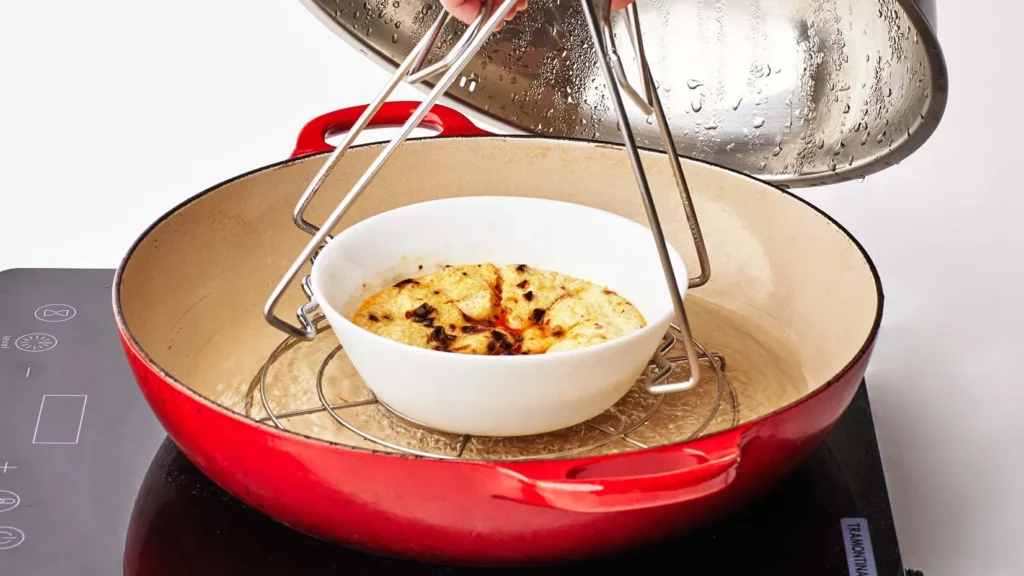
Steaming is a cooking method that involves cooking food without direct contact with liquid, resulting in numerous benefits. In this article, we’ll delve into the world of steaming, exploring its history, techniques, and applications.
What is Steaming?
Steaming is a simple yet effective way to cook food while preserving its nutrients, flavors, and aromas. By using steam instead of liquid, cooking times are reduced, and food retains its natural texture and color. This technique is particularly useful for delicate ingredients that may lose their flavor or become overcooked with traditional methods.
History of Steaming
Steaming has been a cooking method used for centuries, dating back to ancient civilizations such as the Egyptians, Greeks, and Romans. In these cultures, steaming was often used to cook food in baskets or on wooden skewers over open flames. The technique was also adopted by European cooks during the Middle Ages, where it became a staple method for cooking meats and vegetables.
Advantages of Steaming
Steaming offers several benefits, including:
- Preservation of nutrients: Steaming helps retain the nutrients found in food, as it doesn’t involve submerging the food in water.
- Flavor preservation: The steam cooking process preserves the natural flavors and aromas of the ingredients, resulting in a more authentic taste experience.
- Easy digestion: Steamed foods are often easier to digest, as they’re not overcooked or high in fat.
Choosing the Right Equipment
While traditional steam cookers can be expensive, there are alternative options available. Some popular alternatives include:
- Microsteamers: These compact devices are perfect for small kitchens and can be used for both vegetables and meat.
- Steaming baskets: These simple yet effective tools allow you to steam ingredients in a pot or basket without the need for specialized equipment.
Cooking Times and Techniques
Steaming times vary depending on the type of food being cooked. Here are some general guidelines:
- Vegetables: 3-5 minutes
- Meat and poultry: 10-15 minutes
- Seafood: 2-4 minutes
To ensure even cooking, it’s essential to follow these techniques:
- Use a steaming basket or trivet: This allows for even air circulation and helps prevent overcooking.
- Adjust cooking times based on thickness: Thicker ingredients may require longer cooking times.
Common Mistakes to Avoid
When steaming, it’s easy to make mistakes that can affect the quality of your dish. Here are some common errors to avoid:
- Oversteaming: Cooking food for too long can lead to mushy or unappetizing textures.
- Understeaming: Insufficient cooking time can result in undercooked ingredients.
Steaming vs. Boiling: What’s the Difference?
While steaming and boiling are both used for cooking, there are significant differences between the two methods:
- Water temperature: Steaming involves using boiling water, while boiling uses hot water at a lower temperature.
- Food contact: In steam cooking, food is not submerged in liquid, whereas in boiling, it’s fully submerged.
Tips and Tricks for Perfect Steaming
To become a steaming pro, follow these expert tips:
- Use the right type of pot: Choose a pot with a lid to help trap steam.
- Monitor cooking times closely: Keep an eye on your food as it steams to avoid overcooking or undercooking.
Steaming for Specific Ingredients
Steaming can be used to cook a wide variety of ingredients, including:
- Leafy greens: Steaming is an excellent way to preserve the nutrients and flavors of leafy greens like spinach and kale.
- Seafood: Steaming seafood can help retain its moisture and flavor, making it perfect for delicate fish like sole and flounder.
- Meat and poultry: Steaming meat and poultry can result in tender, juicy textures that are ideal for grilling or roasting.
Steaming Desserts
While steaming is often associated with savory dishes, it can also be used to cook sweet treats. Here are some ideas:
- Fresh fruits: Steaming fresh fruits like strawberries and blueberries can help preserve their natural sweetness.
- Puddings and custards: Steaming puddings and custards can result in creamy, rich textures that are perfect for desserts.
Steaming and Health
Steaming is a healthy cooking method that offers numerous benefits. Here are some reasons why steaming is great for your health:
- Low calorie count: Steamed foods tend to be lower in calories than their boiled counterparts.
- Retains nutrients: Steaming helps retain the nutrients found in food, making it an excellent choice for health-conscious cooks.
- Easy digestion: Steamed foods are often easier to digest, as they’re not overcooked or high in fat.
Steaming and Environmental Impact
While steaming can be a healthy cooking method, it also has an environmental impact. Here are some reasons why:
- Water conservation: Steaming requires less water than boiling, making it an excellent choice for environmentally conscious cooks.
- Energy efficiency: Steaming often requires less energy than other cooking methods, as the steam is generated using a stovetop or electric steamer.
Conclusion
Steaming is a versatile and nutritious cooking method that offers numerous benefits. By understanding the techniques, advantages, and common mistakes associated with steaming, you’ll be well on your way to becoming a master chef.
Frequently Asked Questions (FAQs)
Q: What are some popular ingredients for steaming?
A: Steaming is suitable for a wide range of ingredients, including vegetables, meat, seafood, and even desserts like fruits and pudding.
Q: Can I steam frozen foods?
A: While steaming can be used to cook frozen foods, it’s essential to thaw them first or adjust cooking times accordingly to prevent overcooking or undercooking.
Q: How do I store a steamer basket after use?
A: To maintain the longevity of your steamer basket, rinse it with warm water and dry thoroughly. Avoid using abrasive cleaners or scouring pads, as they can damage the material.
Q: Can I steam delicate herbs without losing their flavor?
A: Steaming is an excellent way to preserve the flavors and aromas of delicate herbs. Simply place them in a steamer basket or trivet and cook for 2-3 minutes, depending on the type of herb.
Q: What are some popular alternative cooking methods to steaming?
A: Some popular alternatives include roasting, grilling, sautéing, and poaching. Each method offers its unique benefits and can be used to prepare a variety of dishes.
Q: How do I prevent steam from escaping when cooking with a steamer basket?
A: To minimize steam loss, ensure the pot is covered with a lid or use a steamer basket with a built-in strainer. You can also adjust the water level in the pot by adding more or less water to achieve optimal steam retention.
Q: Can I steam certain types of grains, like rice and quinoa?
A: Yes, you can steam grains like rice and quinoa using a steamer basket or trivet. Adjust cooking times according to package instructions for optimal results.


