
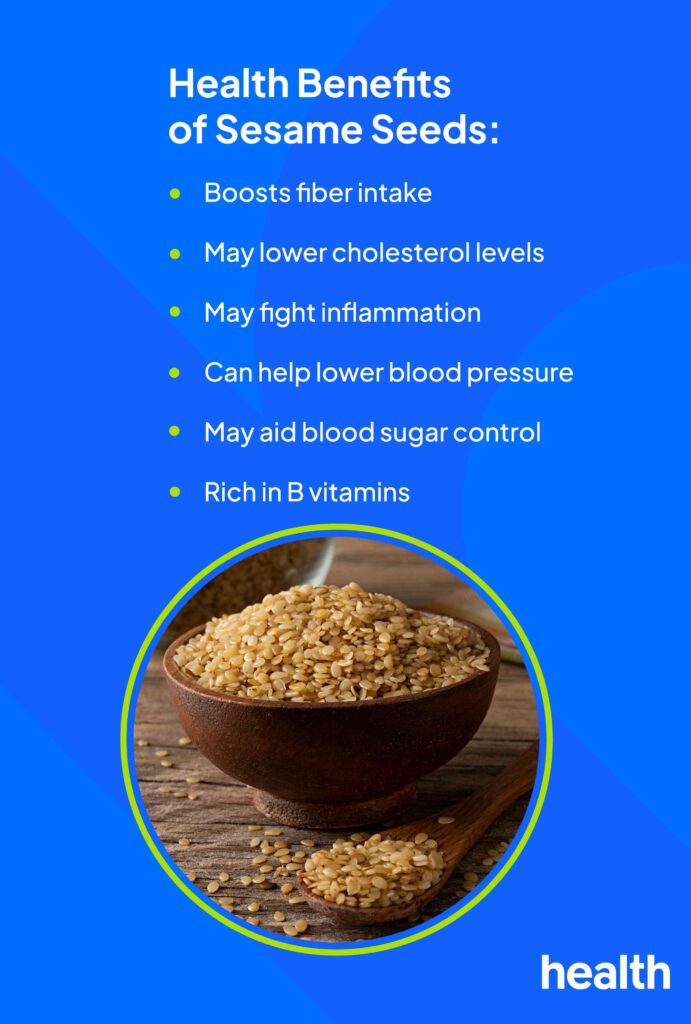
Sesame, scientifically known as Sesamum indicum, is a plant species cultivated for its edible seeds. The sesame seed has been used for over 3,000 years for its nutritional and medicinal properties. Not only are the seeds edible, but they can also be consumed in the form of leaves, which are commonly used in Korean cuisine.
A Brief History of Sesame
Sesame seeds have been an integral part of various cultures and cuisines across the globe. In ancient Egypt, sesame seeds were considered a luxury item and were used as a form of currency. The use of sesame seeds dates back to around 3000 BCE, where they were valued for their nutritional properties.
Sesame Oil: A Versatile and Flavorful Ingredient
Sesame oil is widely used in India and most of Asia. The type of sesame oil produced depends on the processing method, making it suitable for frying or not. Cold-pressed sesame oil has a distinct aroma and taste, making it a popular ingredient in Asian cuisine. In Eastern Asia, it’s often added to soups and other dishes before serving, while it’s also used as a raw ingredient to preserve its unique flavor.
The production of sesame oil involves several steps: harvesting the sesame seeds, cracking them to separate the edible part from the shell, drying them, and then cold-pressing or solvent-extracting the oil. Sesame oil is rich in antioxidants, which contribute to its nutritional value and extend its shelf life.
Nutritional Properties of Sesame Seeds
Sesame seeds are rich in calories: 549 kcal for toasted sesame seeds compared to 573 kcal for dried sesame seeds. Both types provide an excellent source of essential amino acids and protein. The seeds contain dietary fiber and healthy fats, primarily linoleic acid and oleic acid.
One of the most interesting properties of sesame seeds is their high content of micronutrients, particularly vitamins B and minerals such as manganese, magnesium, calcium, iron, and zinc. A 100-gram serving provides:
- Vitamin B1 (Thiamine): 0.8 mg
- Vitamin B2 (Riboflavin): 0.35 mg
- Vitamin B3 (Niacin): 4.6 mg
- Vitamin B9 (Folate): 98 mcg
- Calcium: 989 mg
- Iron: 14.8 mg
- Magnesium: 356 mg
- Manganese: 2.5 mg
- Phosphorus: 638 mg
- Potassium: 475 mg
- Zinc: 7.16 mg
In summary, a 100-gram serving of sesame seeds may meet the daily requirement for iron, calcium, magnesium, and manganese, while exceeding 70% of the daily intake of vitamin B1, phosphorus, and zinc.
Sesame Seeds: A Cardiac Health and Immune System Boost
Sesame seeds have been shown to help lower cholesterol levels by reducing fat absorption in the digestive tract. Their antioxidant properties also contribute to cardiovascular protection, while also protecting the liver from free radicals. The high mineral content of sesame seeds further strengthens the immune system.
The dietary fiber in sesame seeds promotes regular bowel movements and helps alleviate constipation naturally. This, combined with their ability to reduce cholesterol levels, makes sesame seeds an excellent addition to a healthy diet.
Sesame Flour: A Nutritious Ingredient for Animal Feed
Sesame flour is used as a protein-rich ingredient in various food products. In the industrial sector, sesame flour is employed as an excellent feed supplement for poultry and other animals. Sesame flour is actually a by-product of oil extraction from sesame seeds.
A Delicious and Versatile Food Staple
In Vietnam, Thailand, Laos, and Eastern Asia, phan khao (sesame cake) made with black sesame seeds is a popular dish. Phan khao is often served as a snack or dessert and is enjoyed for its nutty flavor and crunchy texture.
In the Middle East and North Africa, tahini is a staple ingredient in many dishes, including hummus and baba ghanoush. Tahini is made from ground sesame seeds and has a rich, creamy texture that adds depth to various recipes.
Sesame Leaves: A Common Ingredient in Korean Cuisine
In Korea, sesame leaves are commonly used as a wrapping material for snacks and other food products. The leaves have a delicate flavor and crunchy texture, making them an excellent addition to various dishes.
Korean cuisine makes extensive use of sesame seeds and leaves, often incorporating them into soups, salads, and stir-fries. Sesame leaves are also used as a garnish, adding a touch of elegance to various dishes.
Health Benefits of Sesame Oil
Sesame oil has been shown to have several health benefits, including:
- Anti-inflammatory properties: Sesame oil contains antioxidants that help reduce inflammation in the body.
- Cardiovascular protection: The monounsaturated fats in sesame oil can help lower cholesterol levels and reduce the risk of cardiovascular disease.
- Cancer prevention: The antioxidants in sesame oil may help prevent cancer by reducing oxidative stress and inflammation.
- Digestive health: Sesame oil has been shown to improve digestion and reduce symptoms of irritable bowel syndrome (IBS).
Precautions and Side Effects
While sesame seeds are generally considered safe for consumption, there are some precautions to be aware of:
- Allergies: Some individuals may be allergic to sesame seeds or sesame oil, so it’s essential to consult a doctor before consuming them.
- Digestive issues: Eating large amounts of sesame seeds can cause digestive issues, such as bloating and gas.
- Interaction with medications: Sesame oil may interact with certain medications, including blood thinners and cholesterol-lowering medications.
Conclusion
Sesame seeds have been a staple ingredient in various cuisines across the globe for thousands of years. Rich in calories, protein, fiber, and healthy fats, sesame seeds offer a range of health benefits, from lowering cholesterol levels to strengthening the immune system.
From sesame oil to sesame flour, sesame leaves, and tahini, there are numerous ways to incorporate sesame into your diet. Whether you’re looking for a delicious and versatile ingredient or seeking to boost your cardiovascular health and immunity, sesame is an excellent choice.
In conclusion, sesame seeds are a nutrient-rich food that deserves more attention in modern diets. With their high content of vitamins B and minerals, sesame seeds offer an excellent way to boost overall health and well-being.


