
As we navigate the complex world of nutrition and health, it’s essential to understand the role of probiotic foods in maintaining a balanced ecosystem within our bodies. In this article, we’ll delve into the world of probiotics, exploring what they are, how they work, and the numerous benefits they offer.
What are Probiotic Foods?
Probiotic foods are live microorganisms that, when consumed in adequate amounts, provide health benefits to the host organism. According to the FAO (Food and Agriculture Organization) and WHO (World Health Organization), probiotics are defined as “live microorganisms which, when administered in adequate amounts, confer a health benefit on the host.”
Types of Probiotic Foods
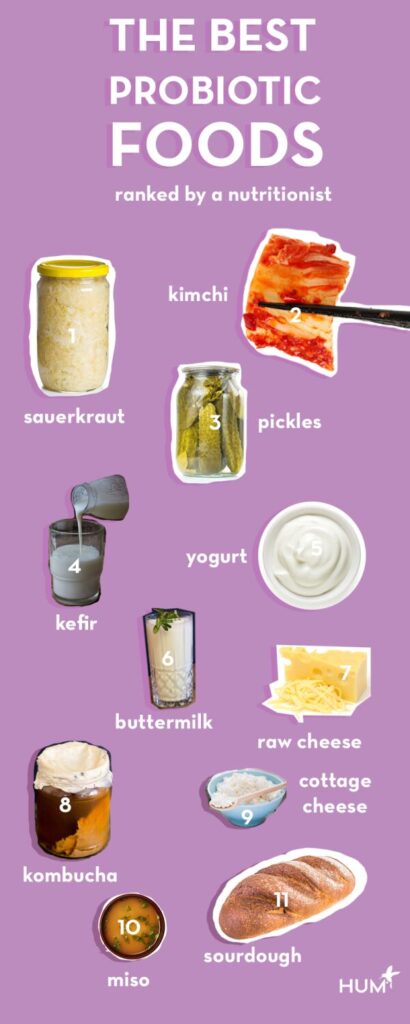
The most common types of probiotic foods contain lactic acid bacteria, such as Lactobacillus and Bifidobacterium. These beneficial microorganisms can be found in fermented foods like yogurt, kefir, and sauerkraut. However, not all probiotics are created equal; some may be more effective than others.
The Limitations of Fermented Foods
While fermented foods like yogurt contain probiotics, they are not always the most effective way to reap their benefits. The lactic acid bacteria in these foods are designed to survive only until they reach the small intestine, where they can exert their beneficial effects. Once they encounter the acidic environment of the stomach, they die, rendering them ineffective.
Benefits of Probiotic Foods
So, what exactly do probiotics do for our health? Let’s take a closer look at some of the benefits:
- Weight Loss: Studies have shown that certain strains of probiotics can help regulate weight by altering the gut microbiome.
- Lactose Intolerance: Probiotics can convert lactose into lactic acid, making it easier for those with lactose intolerance to digest dairy products.
- Boosted Immune System: Some probiotic strains have been shown to stimulate the immune system and reduce the incidence of infections.
The Difference between Probiotics and Prebiotics
While probiotics are live microorganisms that provide health benefits, prebiotics are non-digestible fibers that feed beneficial bacteria in the gut. The key difference lies in how these substances interact with our gut microbiome: probiotics introduce new beneficial microbes, while prebiotics support the growth of existing ones.
How Probiotics Work
Probiotics work by colonizing the gut and producing compounds that have anti-inflammatory and antioxidant properties. They also help regulate the immune system, which is essential for fighting off pathogens and maintaining overall health.
The Role of Probiotics in Mental Health
Recent studies have highlighted the potential benefits of probiotics on mental health. The gut-brain axis is a complex network of interactions between the gut microbiome and the brain, and probiotics may play a role in regulating mood and reducing stress levels.
Common Side Effects of Probiotic Foods
While probiotic foods are generally considered safe, some individuals may experience side effects such as:
- Gas and bloating: This is usually due to the fermentation process involved in producing probiotic-rich foods.
- Stomach cramps: Some people may experience stomach discomfort or cramping after consuming probiotics.
- Diarrhea: Probiotics can sometimes cause a temporary increase in bowel movements, which may lead to diarrhea.
Foods High in Probiotic Content
In addition to fermented foods like yogurt and kefir, there are several other foods that are high in probiotic content. These include:
- Sauerkraut: This fermented cabbage dish is rich in lactic acid bacteria.
- Kimchi: A traditional Korean condiment made from fermented vegetables, kimchi contains a variety of beneficial microbes.
- Kefir: A type of yogurt drink that contains a range of probiotic strains.
- Kombucha: A fermented tea drink that contains beneficial microorganisms.
How to Choose the Right Probiotics
With so many different types and brands available, choosing the right probiotics can be overwhelming. Here are some tips to help you make an informed decision:
- Look for third-party testing: Reputable companies will have their products tested by independent labs to ensure they contain the claimed strains and levels of bacteria.
- Check the label: Make sure the label clearly states the strain, CFU (colony-forming units), and expiration date.
- Consider your health goals: If you’re looking to alleviate digestive issues, choose a product with strains that are known for their gut health benefits.
Conclusion
Probiotic foods offer a wealth of health benefits, from weight loss and lactose intolerance to boosted immunity. By understanding what probiotics are, how they work, and the different types available, we can make informed choices about our diet and lifestyle. Whether you’re looking to improve your overall health or address specific dietary needs, probiotic foods are an excellent addition to any meal.
Frequently Asked Questions
- What is the best way to consume probiotics?
- Probiotics can be found in fermented foods like yogurt, kefir, and sauerkraut. You can also take probiotic supplements in capsule or powder form.
- How long does it take for probiotics to start working?
- The time it takes for probiotics to start working varies depending on the individual and the specific strain of bacteria. Generally, you may notice effects within a few days to a few weeks.
- Can probiotics interact with medications?
- Yes, probiotics can interact with certain medications, such as blood thinners and immunosuppressants. Consult with your healthcare provider before taking probiotic supplements.
- How do I store probiotics?
- Probiotics are sensitive to heat, light, and moisture, so it’s essential to store them properly. Keep probiotic supplements in a cool, dry place, away from direct sunlight.
- Can probiotics help with digestive issues?
- Yes, probiotics have been shown to alleviate symptoms of irritable bowel syndrome (IBS), inflammatory bowel disease (IBD), and other digestive disorders.
By incorporating probiotic foods into your diet and lifestyle, you can unlock a wealth of health benefits and take the first step towards a happier, healthier you.


