
Introduction
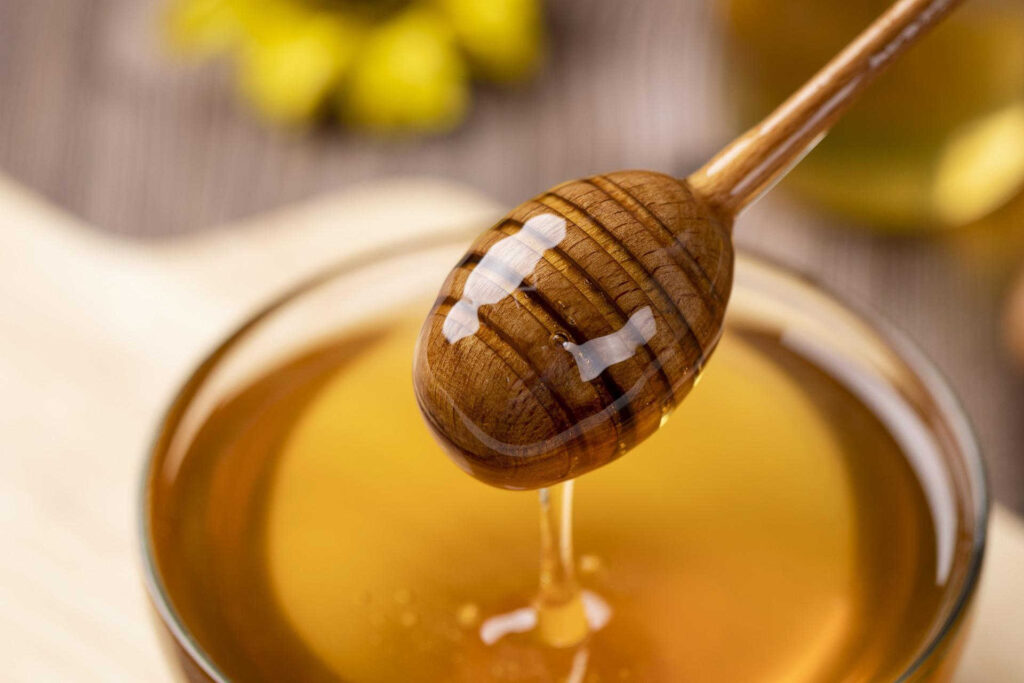
If you’re familiar with the concept of honey as a golden, fluid substance, you might be surprised by the characteristics of Sulla honey. Produced mainly in Italy’s southern regions, this type of honey is almost white and crystallized, presenting itself as a compact, pasty mass with fine grains. To experience its unique taste and aroma, it’s best to purchase it directly from the producer.
Origin and Production
Sulla honey is primarily produced in Italy, particularly in the south, due to its affinity with the Mediterranean climate. However, similar climates can also be found in some African countries bordering the Mediterranean Sea, making it a monofloral product. As a natural sweetener, Sulla honey has a delicate taste, but it’s also one of the most delicate varieties, boasting an acerbic undertone that makes it suitable for preparing sweets and torrones without overpowering other ingredients.
The production process of Sulla honey involves careful harvesting of nectar from the Erba di Sulla flower, followed by enzymatic conversion into honey. This intricate process requires patience and skill, making Sulla honey a rare and valuable commodity.
Aroma and Flavor
The aroma of Sulla honey is equally delicate, with floral notes and hints of fresh grass. Its flavor profile is distinct, offering a subtle sweetness without being too overpowering. This unique characteristic allows it to complement various flavors in cooking and baking without dominating them.
Sulla honey’s flavor is often described as having a hint of bitterness, which complements its natural sweetness. This balance of flavors makes it an excellent choice for preparing sweet treats and desserts that require a delicate touch.
Properties and Benefits
One of the primary reasons athletes and individuals engaging in high-intensity activities often recommend Sulla honey is that it contains high amounts of fructose in its purest form, making it an excellent source of energy for muscle growth. It also includes essential minerals like zinc, iron, magnesium, and manganese, which are known to enhance athletic performance.
The high fructose content in Sulla honey makes it an effective energy booster, providing a quick and sustained release of glucose into the bloodstream. This helps athletes and individuals engaging in intense physical activity to maintain their energy levels throughout the workout.
The Importance of Zinc
Zinc plays a crucial role in maintaining immune function, wound healing, and protein synthesis. Athletes often rely on Sulla honey to provide them with the necessary energy boost before intense physical activity.
In addition to its high fructose content, Sulla honey is also rich in zinc, which is essential for immune system function and muscle recovery after exercise. The incorporation of zinc into the diet can help reduce inflammation and promote wound healing, making it an excellent supplement for athletes.
Utilizing Sulla Honey for Performance
Imagine having a drink that provides sustained energy without causing an immediate spike in blood sugar levels. To enhance your workout performance, try dissolving two tablespoons of Sulla honey in a cup of warm water and consuming it 15-30 minutes prior to your exercise routine.
Mixing Sulla honey with other ingredients can also help create a delicious and effective pre-workout drink. Combine it with fruit juice or coconut water for added hydration and flavor.
The Science Behind Sulla Honey
Research has shown that fructose can be converted into glucose quickly when ingested, providing athletes with an instant energy boost. Moreover, the slow release of glucose from fructose helps maintain stable blood sugar levels throughout the workout.
Studies have also demonstrated that Sulla honey’s unique composition provides a sustained energy source, reducing the need for additional carbohydrates during intense physical activity.
Sulla and Erba di Sulla: A Closer Look
The scientific name for this plant is Hedysarum coronarium, a perennial herb native to the Mediterranean region, commonly found in Italy’s southern regions. While it is not as widely cultivated as other legumes, its adaptability makes it an excellent choice for challenging climates.
Erba di Sulla can be grown on various substrates, including clay soils that are often difficult to cultivate. The plant thrives under certain conditions but struggles with frost, making it less common in northern regions like the Pianura Padana.
Cultivation and Uses
Erba di Sulla can be used as a natural fertilizer, adding essential nutrients like nitrogen to the soil. This makes it an excellent choice for small-scale farmers or gardeners looking to promote healthy plant growth without relying on synthetic fertilizers.
The plant’s delicate flavor profile also makes it suitable for use in cooking and baking. Erba di Sulla can be used to create a variety of dishes, from salads to desserts.
Properties of Erba di Sulla
As a legume, this herb has remarkable capabilities for improving soil quality by adding essential nutrients, particularly nitrogen, which is vital for crop growth. The optimal time for blooming occurs between April and June, producing vibrant red flowers that are an attractive addition to gardens.
Erba di Sulla’s unique properties also make it suitable for use in herbal remedies, promoting wound healing and immune system function. The herb can be dried or fermented to create a potent extract that is rich in antioxidants and other beneficial compounds.
How Erba di Sulla Makes Honey
The transformation of the flower into honey involves bees pollinating its delicate petals, followed by a process that distills nectar into liquid gold.
This intricate process requires patience and skill, making Sulla honey a rare and valuable commodity. The combination of natural enzymes and bee activity creates a unique flavor profile and aroma that is characteristic of Sulla honey.
Uses in Agriculture
As an excellent fertilizer, Erba di Sulla can significantly enhance crop yields when integrated into agricultural practices. Its nitrogen-rich profile also makes it suitable for soil conditioning, reducing the need for synthetic fertilizers.
The use of Erba di Sulla as a natural fertilizer can help reduce the environmental impact of agriculture, promoting sustainable farming practices and healthy ecosystems.
Why is Erba di Sulla Valuable?
Not only does this herb provide a natural fertilizer, but its ability to grow well in challenging climates and conditions make it an attractive crop for small-scale farmers.
The versatility of Erba di Sulla also makes it an excellent choice for gardeners looking to promote healthy plant growth without relying on synthetic fertilizers. Its delicate flavor profile also makes it suitable for use in cooking and baking, adding variety to traditional dishes.
FAQs
-
What makes Sulla honey unique?
Sulla honey stands out due to its distinct white color, high crystallization rate, and delicate flavor profile. -
How is Sulla honey produced?
It’s primarily produced in Italy’s southern regions, with some African countries also cultivating it for their monofloral products. -
What are the health benefits of consuming Sulla honey?
Sulla honey offers high amounts of fructose, which can enhance energy production and aid in muscle recovery during intense workouts.
-
Is Sulla honey a suitable substitute for other sweeteners?
Due to its delicate flavor profile and lack of overpowering taste, Sulla honey is an excellent complement to various recipes without dominating their flavors. -
Can I grow Erba di Sulla myself?
While the plant’s adaptability makes it viable for cultivation in challenging climates, its optimal growth conditions make it less common in areas with harsh winters.
-
How can I use Erba di Sulla as a fertilizer?
By incorporating it into your soil, you’ll be adding essential nutrients that help crops thrive and reduce the need for synthetic fertilizers. -
What’s the typical blooming period of Erba di Sulla?
Between April and June, the plant blooms with vibrant red flowers that add color to gardens. -
Can I consume Erba di Sulla directly from the plant or do I need to harvest it first?
In some cases, you can harvest the leaves and use them for cooking, but it’s generally recommended to dry or ferment them before consumption.
-
Is Sulla honey suitable for vegans?
This type of honey is considered vegan-friendly as long as the bees are not harmed during its production process. -
Where can I find Sulla honey and Erba di Sulla in my local market?
Both products might be harder to find, especially outside their native regions; however, you can always check with local farmers or explore online retailers for availability.
By exploring these unique aspects of Sulla honey and Erba di Sulla, we’ve delved into the fascinating world of Mediterranean flora and its impact on human health and agriculture.


