
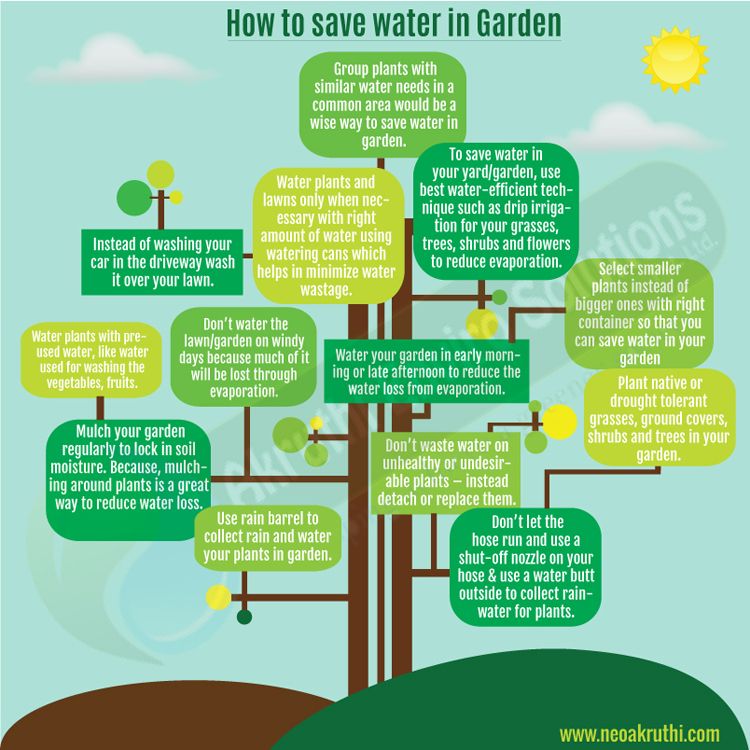
As an avid gardener, you’re likely no stranger to the high water consumption that comes with maintaining your outdoor space. From watering plants and flowers to cleaning sidewalks and driveways, it’s easy to feel like your garden is guzzling gallons of water every day. But fear not! There are many simple and effective solutions to help you conserve water in your garden.
Understanding Water Consumption
Before we dive into the solutions, let’s take a look at why water consumption is such a big deal. A typical garden requires frequent watering, especially during hot summer months. But this constant use of water can lead to wasted resources and increased costs on your utility bill. Moreover, excessive water usage can harm local ecosystems and strain our planet’s precious water supply.
Water Conservation Strategies for Your Garden
So, what can you do to reduce your garden’s water consumption? Here are some effective solutions:
1. Rainwater Harvesting
One of the simplest ways to conserve water is by collecting rainwater. You can install a roof catchment system or use a simple bucket and downspout diverter to direct rainwater into a storage tank. This stored water can be used for irrigation, washing cars, or even flushing toilets.
- Benefits: Reduces stormwater runoff, lowers utility bills, and increases soil moisture.
- Cost: Varies depending on system design and materials.
- Considerations: Ensure proper roof catchment system design to prevent contamination, choose a suitable storage tank material, and consider installing a first flush device.
2. Soil Conditioning
Adding organic matter like compost or mulch can improve soil structure and water-holding capacity. This reduces the need for frequent watering and allows plants to absorb nutrients more efficiently.
- Benefits: Increases plant growth, suppresses weeds, and regulates soil temperature.
- Cost: Varies depending on material choice and quantity.
- Considerations: Choose organic materials that are rich in beneficial microbes, apply at optimal rates to avoid overconditioning, and maintain proper soil pH levels.
3. Drip Irrigation
Ditch the old-fashioned sprinkler system! Drip irrigation delivers water directly to the roots of plants, reducing evaporation and runoff. This method is especially effective for drought-prone areas or regions with limited water resources.
- Benefits: Saves water, reduces chemical use, and promotes healthy plant growth.
- Cost: Higher upfront investment compared to traditional sprinkler systems.
- Considerations: Choose the right tubing material for your climate, install at least 12 inches below soil surface to avoid erosion, and space emitters according to manufacturer’s specifications.
4. Mulching
Mulch helps retain soil moisture by suppressing weed growth and regulating soil temperature. This natural barrier also reduces the need for frequent watering and fertilization.
- Benefits: Reduces water consumption, suppresses weeds, and regulates soil temperature.
- Cost: Varies depending on material choice and quantity.
- Considerations: Choose organic materials that are low in nitrogen to avoid promoting weed growth, apply at optimal rates to avoid overmulching, and maintain proper mulch depth (2-3 inches).
5. Efficient Lawn Care
Lawn care can be a significant contributor to water consumption in gardens. Consider adopting more efficient lawn care practices like:
- Using drought-tolerant grass species
- Maintaining proper mowing heights (less than 2.5 inches)
- Reducing watering frequency during cooler months
- Implementing a lawn care calendar
6. Smart Watering Controllers
Invest in a smart watering controller to optimize your irrigation schedule based on weather conditions, soil moisture levels, and plant water requirements.
- Benefits: Saves water, reduces chemical use, and promotes healthy plant growth.
- Cost: Varies depending on system complexity and features.
- Considerations: Choose a controller that can be easily integrated with existing irrigation systems, ensure proper calibration to avoid overwatering or underwatering, and maintain regular software updates.
7. Water-Efficient Plants
Select plants that are naturally drought-tolerant or require minimal watering, such as succulents, cacti, or native species.
- Benefits: Reduces water consumption, reduces maintenance costs, and increases plant diversity.
- Cost: Varies depending on plant choice and quantity.
- Considerations: Choose plants that thrive in your local climate, consider the mature size of the plant to avoid overcrowding, and maintain proper soil pH levels.
8. Rain Garden
Create a rain garden by installing a shallow depression in your yard that captures stormwater runoff and allows it to infiltrate into the soil.
- Benefits: Reduces stormwater runoff, lowers utility bills, and increases soil moisture.
- Cost: Varies depending on system design and materials.
- Considerations: Choose a suitable location with proper drainage, ensure proper planting selection to avoid erosion or sedimentation, and maintain regular maintenance to prevent clogging.
9. Water-Saving Fittings
Replace traditional irrigation fittings with water-saving alternatives like drip emitters, pop-up sprinklers, or micro-sprinklers.
- Benefits: Saves water, reduces chemical use, and promotes healthy plant growth.
- Cost: Varies depending on system complexity and features.
- Considerations: Choose the right fitting material for your climate, ensure proper installation to avoid leaks or blockages, and maintain regular maintenance to prevent clogging.
10. Community Involvement
Join local gardening initiatives or participate in water conservation workshops to connect with other gardeners and share knowledge on efficient water management practices.
- Benefits: Increases access to expert advice, reduces individual learning curve, and fosters community engagement.
- Cost: Free or low-cost participation options available.
- Considerations: Choose reputable local organizations for workshops and events, take detailed notes during sessions, and apply knowledge immediately in your own garden.
By incorporating these water conservation strategies into your gardening routine, you’ll not only reduce your environmental impact but also enjoy a more sustainable and healthy outdoor space.


