
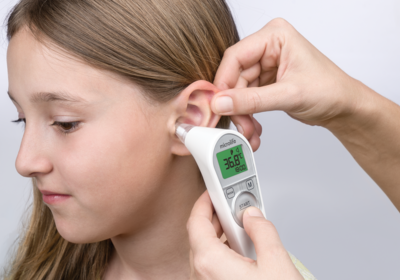
In the past, measuring fever was a cumbersome process that often involved using mercury-based thermometers. However, with the advent of digital thermometers, it is now possible to accurately measure fever in just seconds.
Understanding the Importance of Measuring Fever
Fever is one of our bodies’ natural responses to fight off infections. However, when temperatures rise above normal levels, it can cause discomfort and disrupt daily activities. Measuring fever accurately is crucial to adopt the right treatment recommended by a doctor.
The History of Feeding Back
Traditionally, measuring fever was done with mercury-based thermometers, which had several drawbacks:
- The use of a toxic substance that posed environmental and health risks
- The need to lower the mercury level after each measurement, which could cause injury or difficulty
- Inaccurate readings due to various factors such as not having contact with the skin, clothing between the thermometer and skin, or children struggling to remain still
- Difficulty measuring fever in children due to their inability to stay still for an extended period
What is Fever?
Fever is one of our bodies’ natural responses to fight off infections. However, when temperatures rise above normal levels, it can cause discomfort and disrupt daily activities. Measuring fever accurately is crucial to adopt the right treatment recommended by a doctor.
When to Measure Fever
Temperature levels fluctuate throughout the day due to various factors like food intake, digestion, physical activity, and menstrual cycles in women. The lowest body temperature typically occurs at night, around 4 am, while the highest occurs in the evening, around 6 pm. Measuring fever at multiple times of the day helps determine its progression.
How to Measure Fever
In the past, measuring fever involved using thermometers with mercury levels, which had several drawbacks. Today, digital thermometers with infrared sensors make it possible to measure fever accurately and quickly.
Digital Thermometer Technology
Digital thermometers have revolutionized the way we measure fever. With the touch of a button, you can get an accurate reading in just seconds. Some features of digital thermometers include:
- Easy-to-use interface
- Clear display with instant readings
- Option to record and store temperature data
Choosing the Right Digital Thermometer
When selecting a digital thermometer, consider factors like accuracy, ease of use, and additional features such as memory recall and battery life. Look for thermometers that are easy to read and understand, even in low-light conditions.
Product Review: Etekcity Digital Thermometer
The Etekcity digital thermometer is a highly-rated product that offers accurate temperature readings and ease of use. With two measurement modes (front and ear) and the ability to measure both Celsius and Fahrenheit scales, this thermometer is perfect for monitoring fever progression. The included manual is written in Italian, making it easy for non-native speakers to follow.
Common Types of Digital Thermometers
There are several types of digital thermometers available, including:
- Ear thermometers: These thermometers are inserted into the ear canal and measure temperature through infrared radiation.
- Forehead thermometers: These thermometers are placed on the forehead and measure temperature through infrared radiation.
- Oral thermometers: These thermometers are placed in the mouth and measure temperature through contact with the tongue or cheek.
Advantages of Digital Thermometers
Digital thermometers offer several advantages over traditional mercury-based thermometers, including:
- Accuracy: Digital thermometers are highly accurate, with some models offering ±0.1°C accuracy.
- Ease of use: Digital thermometers are easy to use and require minimal training.
- Convenience: Digital thermometers can be used in a variety of settings, including at home, in the office, or on-the-go.
Disadvantages of Digital Thermometers
While digital thermometers offer several advantages, they also have some disadvantages, including:
- Cost: Digital thermometers can be more expensive than traditional mercury-based thermometers.
- Battery life: Some digital thermometers require batteries to operate, which can run out quickly if not replaced regularly.
Conclusion
Measuring fever accurately has never been easier with digital thermometers. By understanding the importance of fever measurement, knowing when to measure temperature levels, and choosing the right product, you can take control of your health and well-being.
Frequently Asked Questions (FAQs)
- Q: How accurate is a digital thermometer?
A: Digital thermometers are highly accurate, with some models offering ±0.1°C accuracy. - Q: Can I use a digital thermometer for other temperature measurements?
A: Yes, many digital thermometers can measure temperatures in different units (Celsius and Fahrenheit). - Q: Is it safe to use a digital thermometer on children?
A: Yes, most digital thermometers are designed with safety features that make them suitable for children. - Q: How often should I clean my digital thermometer?
A: It’s recommended to clean your digital thermometer regularly to prevent bacterial growth and ensure accuracy. - Q: Can I use a digital thermometer on myself if I have a fever?
A: Yes, most people can use a digital thermometer on themselves, but it’s always best to consult with a doctor if you’re unsure.


