
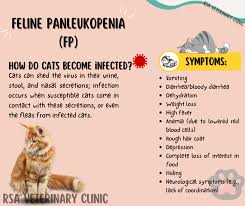
As a responsible cat owner, it’s essential to be aware of feline panleucopenia, also known as cimurro, a contagious viral disease that affects cats. Although its prevalence has decreased in recent years, especially in urban areas, it’s crucial to understand the characteristics, symptoms, and prevention strategies for this disease.
1. Introduction to Feline Panleucopenia
Feline panleucopenia is one of the most common feline viral diseases, characterized by a widespread infection that affects all cells of the feline body. The virus is highly contagious and can be transmitted through various means, including direct contact with infected cats, contaminated food and water, and airborne transmission.
2. What is Feline Panleucopenia?
Feline panleucopenia is caused by a virus that belongs to the parvovirus family, which includes viruses such as parvovirus (parvo) and feline leukemia virus (FeLV). The virus targets all cells of the feline body, leading to widespread illness. The most common manifestations occur in kittens under 5 months old, unvaccinated or unboosted cats, and those exposed to infected adult cats.
3. How is Feline Panleucopenia Transmitted?
The virus can be eliminated through urine, feces, nasal secretions, or blood. When two cats come into contact with each other’s bodily fluids, the risk of transmission increases significantly. Even household cats can contract the disease if exposed to infected animals.
4. Characteristics of Feline Panleucopenia
Unlike canine cimurro, feline panleucopenia is a distinct viral infection, and its symptoms may resemble those of other diseases. Although it’s difficult to diagnose early on, recognizing the signs can lead to prompt treatment and save your cat’s life.
5. Symptoms of Feline Panleucopenia
The symptoms are diverse, ranging from prolonged apathy or sadness to excessive vomiting, diarrhea with blood, inappetence, fever, and convulsions. As the disease progresses, cats may exhibit self-mutilation behaviors like mawing their own limbs.
In addition to these symptoms, other signs that may indicate a cat has feline panleucopenia include:
- Loss of appetite
- Weight loss
- Pale gums
- Abdominal pain or distension
- Seizures
- Increased thirst and urination
6. Treatment of Feline Panleucopenia
There is no cure for feline panleucopenia, but treatment focuses on alleviating symptoms and supporting your cat’s recovery. Antibiotics are administered to combat secondary infections, while IV fluids help restore hydration levels.
In severe cases, hospitalization may be necessary to provide supportive care, including:
- Intravenous fluid therapy
- Antibiotic treatment for secondary infections
- Anti-nausea medication
- Pain management
7. Prevention Strategies
The best defense against this viral disease lies in vaccination. Kittens should be vaccinated between 12 and 14 weeks old, with boosters provided every few years.
In addition to vaccination, other prevention strategies include:
- Keeping multiple cats separate from each other can reduce the risk of transmission.
- Regular veterinary check-ups can help identify potential issues before they escalate.
- Avoiding contact with infected animals or their bodily fluids is crucial in preventing transmission.
- Ensuring all family members wash their hands thoroughly after handling sick cats can also prevent human-to-cat transmission.
8. Importance of Early Detection
Recognizing signs early on is crucial to providing timely treatment and minimizing complications. Regular veterinary check-ups can help identify potential issues before they escalate.
If you suspect your cat has contracted feline panleucopenia, it’s essential to seek immediate veterinary attention. Early detection and treatment can significantly improve your cat’s chances of recovery.
9. Can Humans Contract Feline Panleucopenia?
Fortunately, feline panleucopenia cannot be transmitted to humans. However, exposure to infected cats can lead to secondary infections or allergic reactions in some individuals.
If you are exposed to an infected cat, follow these precautions:
- Wash your hands thoroughly with soap and water after handling the cat.
- Avoid direct contact with the cat’s bodily fluids, including urine, feces, or blood.
- Keep all surfaces and equipment clean to prevent cross-contamination.
10. Conclusion: Protecting Your Cat from Feline Panleucopenia
Prevention and early detection are key in safeguarding your cat’s health against this devastating viral disease. Stay informed, follow vaccination schedules, and take precautions to minimize contact with exposed animals.
By understanding the causes, symptoms, and prevention strategies for feline panleucopenia, you can help protect your beloved pet from this potentially life-threatening disease.
Frequently Asked Questions
Q: What is the best way to prevent feline panleucopenia?
A: Vaccination, isolation of infected cats, and adherence to regular veterinary check-ups are effective methods for preventing this disease.
Q: Can multiple cats in the same household contract feline panleucopenia simultaneously?
A: Yes, if one cat is infected, it increases the risk of transmission among all other cats in the household due to shared bodily fluids and environments.
Q: How long does the virus remain active within a cat’s body after exposure?
A: The virus can persist for over a year in latent form, even if symptoms are absent.
Q: Can I treat feline panleucopenia at home without consulting a veterinarian?
A: No, prompt veterinary attention is necessary to ensure effective treatment and minimize complications.
Q: Is it possible to contract secondary infections from cats with feline panleucopenia?
A: Yes, due to the virus’s ability to eliminate its host through bodily fluids, it can spread other infections within your home environment.


