
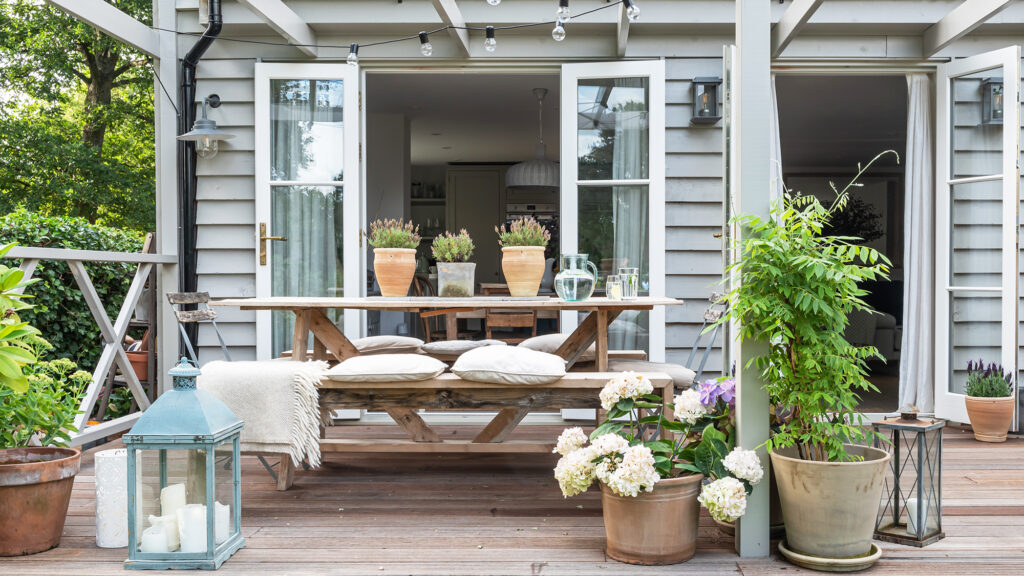
As the summer months approach, indoor plants can suffer from the heat and low humidity. To help alleviate this, regular leaf irrigation is essential, using fresh water whenever possible. For plants on balconies and terraces, August marks the beginning of a decline in their vegetative cycle, with an abundance of seeds and leaves changing color.
This period is ideal for multiplying various species, planting bulbs that will bloom in autumn, and pruning roses to promote new growth.
Although “rainfall in August refreshes the forest,” it’s equally beneficial for indoor plants to spend some time outdoors and enjoy the refreshing effects of rain. However, this should be done sparingly, as excessive exposure can cause damage. If you notice fog on the horizon at dusk, bring your outdoor plants back indoors and cover your cacti to prevent them from getting waterlogged.
August is also a critical month for rose care, particularly for plants on balconies and terraces. Regular pruning is necessary to maintain their health and promote new blooms. This involves cutting off the tips of the stems just above a node, where the stem forks into two branches. This process encourages the plant to focus its energy on producing new growth rather than flowers.
During this time, reduce watering for one week to allow the plants to enter a state of dormancy. When you resume watering, also add some fertilizer like ammonium phosphate and superphosphate to provide essential nutrients.
In the hot summer months between July and August, indoor and outdoor plants require regular watering every day, sometimes even twice daily to maintain optimal moisture levels in the soil. Regularly inspect your plants for pests, particularly aphids, which can cause significant damage if left unchecked.
This is a good time to propagate certain houseplants like violet African violet and Chlorophytum using stem cuttings taken from the central part of the stems. Similarly, geraniums can be propagated by cutting off the tips of their stems and allowing them to grow roots in water.
Understanding Summer Plant Care
Summer brings about unique challenges for indoor plants, including high temperatures and low humidity. To ensure they thrive, it’s essential to provide regular care tailored to their specific needs.
Here are some key points to consider:
- Watering: Regular leaf irrigation is crucial during the summer months. Use fresh water whenever possible, as stagnant water can harm your plants.
- Pruning: Prune your roses regularly to promote new growth and encourage blooming.
- Pest control: Regularly inspect your plants for pests like aphids, which can cause significant damage if left unchecked.
- Propagation: This is a good time to propagate certain houseplants using stem cuttings or division.
Benefits of Providing Summer Care
Providing proper care during the summer months can have numerous benefits for your indoor and outdoor plants. Some key advantages include:
- Improved growth: Regular watering and pruning can encourage healthy growth and development in your plants.
- Increased blooms: Proper care can promote blooming and flowering in plants like roses.
- Reduced pests: Regularly inspecting your plants for pests can help prevent infestations.
Common Mistakes to Avoid
When it comes to providing summer care, there are several common mistakes to avoid. Some key errors include:
- Overwatering: Using too much water can harm your plants and create an environment conducive to pest infestations.
- Underwatering: Not providing enough water can cause stress in your plants and lead to decline.
- Inadequate pruning: Failing to prune your roses regularly can prevent them from blooming and growing healthily.
Additional Tips for Balcony and Terrace Plants
If you have plants on balconies or terraces, there are several additional tips to keep in mind:
- Provide shade: If your balcony or terrace receives direct sunlight during the hottest part of the day, provide shade for your plants using a trellis or other shade-providing device.
- Use windbreaks: Wind can cause damage to your plants, so use windbreaks like burlap or screens to protect them from strong gusts.
- Monitor temperature: Keep an eye on the temperature in your balcony or terrace, and take steps to protect your plants if it becomes too hot.
Tips for Caring for Succulents
Succulents are particularly well-suited to outdoor conditions due to their thick, fleshy leaves. However, they still require regular care during the summer months:
- Water sparingly: Succulents need less water than other plants, so only water them when the soil feels dry to the touch.
- Provide good drainage: Make sure your succulent pot has good drainage holes to prevent water from accumulating in the soil.
- Protect from pests: Regularly inspect your succulent for pests like mealybugs and spider mites.
Conclusion
Providing proper care during the summer months is essential for maintaining the health and well-being of your indoor and outdoor plants. By following the tips outlined in this article, you can help ensure your plants thrive despite the challenges posed by high temperatures and low humidity.
Here are some frequently asked questions about summer plant care:
- How often should I water my plants during the summer?
- Water your plants regularly, ideally every day or twice a day.
- What is the best way to prune roses in August?
- Cut off the tips of the stems just above a node, where the stem forks into two branches.
- How can I propagate certain houseplants using stem cuttings?
- Take stem cuttings from the central part of the stems and plant them in water or soil.
- What is the best fertilizer to use for my plants during the summer months?
- Use a balanced fertilizer that contains nitrogen, phosphorus, and potassium.
- How can I prevent pest infestations in my plants?
- Regularly inspect your plants for pests like aphids and take action promptly if you notice any damage.
By following these tips and avoiding common mistakes, you can help ensure your indoor and outdoor plants thrive despite the challenges posed by high temperatures and low humidity.


