
Introduction
In the world of birds, there exists a species that has fascinated many with its unique characteristics and abilities. The tawny owl, also known as the allocco in Italian, is a medium-sized nocturnal bird that has adapted to various environments, making it a ubiquitous presence throughout Italy and beyond.
The tawny owl’s ability to thrive in different ecosystems has led to its widespread distribution across Europe, Asia, and northern Africa. This adaptability has also earned it the reputation as one of the most common and widespread owl species in these regions. In this article, we will delve into the world of the tawny owl, exploring its physical characteristics, behavior, habitat, breeding habits, conservation status, and more.
Physical Characteristics
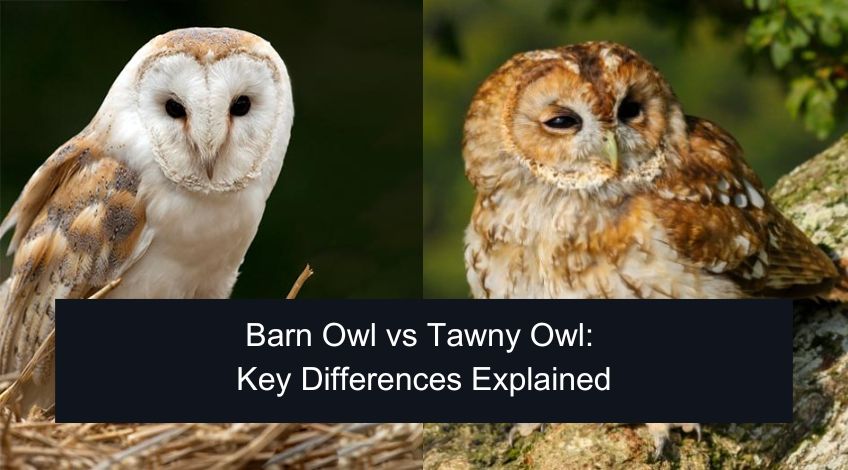
The tawny owl stands approximately 30-40 cm tall, with a wingspan of around one meter. Its plumage is a mottled mix of brown and gray tones, allowing it to blend seamlessly into its surroundings. The owl’s face features two small disks, known as facial discs, which help amplify sounds, particularly in the dark. These remarkable adaptations enable the owl to detect even the faintest sounds, making it an exceptional hunter.
The tawny owl’s feathers are also notable for their water-repellent properties, helping to protect them from precipitation and harsh weather conditions. The owl’s legs and feet are strong and sturdy, allowing it to grasp branches and climb through dense vegetation with ease.
Behavior and Habitat
Tawny owls are highly vocal birds, emitting high-pitched calls during the night, usually between December and April. These calls can be mistaken for ululations or similar sounds made by other birds. The owl’s diet consists mainly of small mammals, such as mice and voles, which it hunts using its exceptional hearing and acute vision.
Tawny owls are primarily solitary animals, only coming together during the breeding season to form pairs. Once paired, the male and female tawny owl will work together to build a nest, typically using sticks, twigs, and other plant material. The nest is usually constructed in a tree or on a cliff face, providing an ideal location for the young to develop.
Breeding and Nesting
Tawny owls are monogamous, with pairs forming during the breeding season, which typically occurs between October and November. Females lay two to four eggs, which incubate for approximately one month before hatching. Both parents take turns caring for the young, with the female protecting the nest and the male providing food.
After hatching, the owlets will remain in the nest for about six weeks, during which time they will be fed regurgitated food by their parents. Once the owlets leave the nest, they will begin to hunt on their own, learning essential skills such as hunting, flying, and navigating their surroundings.
Distribution and Adaptability
Tawny owls are widely distributed throughout Italy, excluding Sardinia and parts of the southern peninsula. They can also be found in other European countries, as well as in Asia and northern Africa. This adaptability has allowed them to thrive in a variety of environments, including forests, cities, and even agricultural areas.
In urban areas, tawny owls have learned to take up residence in cavities and abandoned nests, often using existing infrastructure such as chimneys, roof voids, or hollow tree trunks. In these environments, they are able to find food and shelter, despite the absence of natural habitats.
Conservation Status
The tawny owl is protected under Italian law, although its global population is not considered endangered. Conservation efforts, such as reforestation and habitat preservation, have contributed to an apparent increase in their numbers.
However, tawny owls do face threats from human activities, such as habitat destruction, fragmentation, and degradation. The construction of urban developments, roads, and other infrastructure can also lead to the loss of suitable habitats for these birds.
Conclusion
In conclusion, the tawny owl is a remarkable bird species that has adapted to various environments, making it a fascinating subject of study. Its unique characteristics, such as its facial discs and vocal abilities, enable it to thrive in the dark. As we continue to learn more about this enigmatic bird, we are reminded of the importance of conservation efforts and habitat preservation.
Frequently Asked Questions
Q: What is the tawny owl’s diet?
A: The tawny owl primarily feeds on small mammals, such as mice and voles.
Q: Where can I find a tawny owl in Italy?
A: Tawny owls are widely distributed throughout Italy, excluding Sardinia and parts of the southern peninsula. They can also be found in other European countries, Asia, and northern Africa.
Q: Are tawny owls monogamous?
A: Yes, tawny owls are known to form long-term monogamous relationships, with pairs staying together for many years.
Q: How do tawny owls adapt to urban environments?
A: Tawny owls have learned to thrive in cities and agricultural areas, often taking up residence in cavities and abandoned nests.
Q: Is the tawny owl a protected species?
A: Yes, the tawny owl is protected under Italian law, although its global population is not considered endangered.
Q: When can I see a tawny owl in Italy?
A: Tawny owls are most active at night, particularly during the breeding season (October to November). You may be able to spot one during this time in areas with suitable habitats.
Interesting Facts
- The tawny owl’s facial discs can rotate independently of each other, allowing for greater sensitivity and accuracy.
- Tawny owls have a unique way of hunting, using their exceptional hearing to locate prey before swooping down to catch it.
- In some cultures, the tawny owl is considered a symbol of wisdom and mystery.
Tips for Spotting a Tawny Owl
- Look for areas with suitable habitats, such as forests, woodlands, or urban green spaces.
- Be patient and quiet when searching for a tawny owl, as they are nocturnal birds that prefer to hunt at night.
- Pay attention to the sounds made by owls during the breeding season (October to November), as these calls can be mistaken for ululations or similar sounds made by other birds.


