
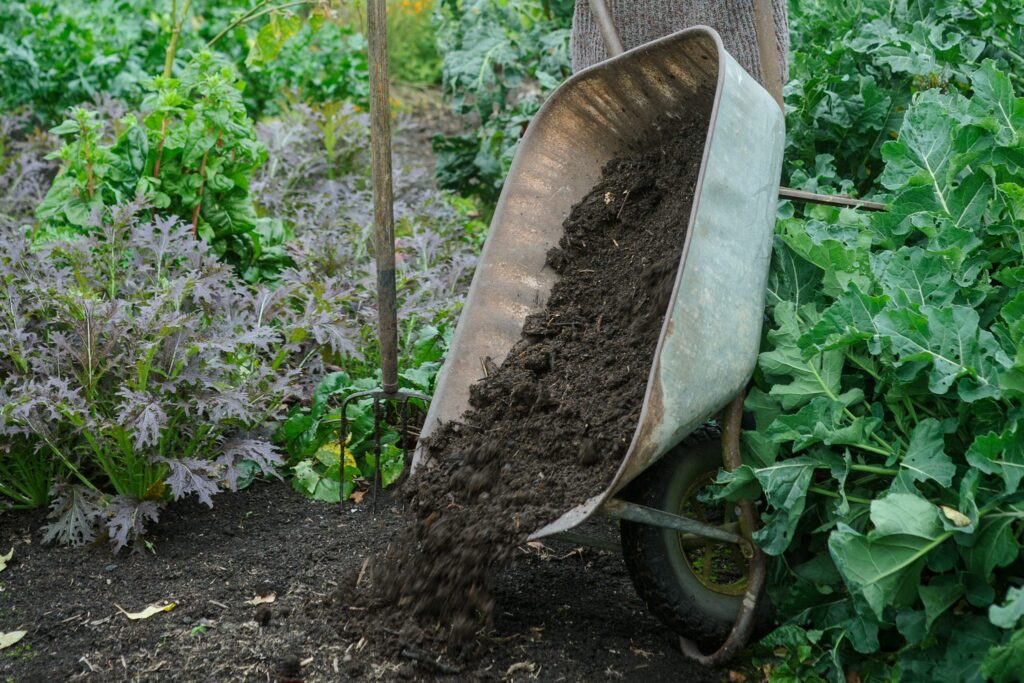
As we tend to our gardens, it’s essential to consider the well-being of our plants and the surrounding environment. One effective way to achieve this is by using mulching techniques. In this article, we’ll delve into the world of mulching, exploring its benefits, types of materials, and how to apply them to create a thriving garden ecosystem.
What is Mulching?
Mulching is a natural process that involves covering the soil with organic or synthetic materials to protect it from extreme temperatures, retain moisture, and regulate the growth of weeds. By mimicking nature, mulching helps to maintain a healthy balance in your garden, ensuring optimal conditions for plant growth.
Benefits of Mulching
Mulching offers numerous benefits, including:
- Water Conservation: Mulching helps retain soil moisture, reducing the need for frequent watering and minimizing evaporation.
- Weed Suppression: A layer of mulch can effectively prevent weeds from germinating, saving time and effort in weeding.
- Soil Temperature Regulation: Mulch acts as an insulator, regulating soil temperature extremes and creating a more stable environment for plant growth.
- Soil Erosion Prevention: Mulch helps prevent soil erosion by binding the soil particles together and reducing runoff.
Choosing the Right Materials
When it comes to selecting materials for mulching, there are several options available. Here are some of the most suitable choices:
Organic Materials
- Compost: A nutrient-rich compost can provide essential nutrients for plant growth while also improving soil structure.
- Leaf Mold: Decaying leaves create a humus-rich mulch that supports healthy microbial activity in the soil.
- Wood Chips: Wood chips are an excellent choice for mulching, as they break down quickly and add organic matter to the soil.
Synthetic Materials
- Plastic Mulch: A durable and long-lasting option, plastic mulch can withstand heavy foot traffic and extreme weather conditions.
- Fabric Mulch: A versatile and eco-friendly alternative, fabric mulch can be made from recycled materials and is biodegradable.
Applying the Right Mulch
The type of mulch used will depend on personal preference, climate, and soil conditions. Here are some general guidelines for applying mulch:
- Depth: Aim for a layer of 2-3 inches (5-7.5 cm) to achieve optimal results.
- Spread: Distribute the mulch evenly, taking care not to overdo it, as excessive mulch can create an anaerobic environment.
Tips and Tricks
Here are some additional tips to keep in mind when applying mulch:
- Start with a layer of compost or leaf mold: This will provide essential nutrients for plant growth and help improve soil structure.
- Use a mix of organic materials: Combining different types of mulch can create a balanced ecosystem that promotes healthy microbial activity.
- Avoid over-mulching: Too much mulch can create an anaerobic environment, leading to reduced plant growth and increased weed populations.
Common Mulching Mistakes
Here are some common mistakes to avoid when mulching:
- Using too much mulch: Excessive mulch can create an anaerobic environment, leading to reduced plant growth and increased weed populations.
- Not reapplying mulch regularly: Failing to replenish the mulch layer can lead to soil degradation and reduced plant growth.
Creating a Thriving Garden Ecosystem
By incorporating mulching into your gardening routine, you’ll be well on your way to creating a thriving and sustainable garden ecosystem. Here are some additional tips for creating a balanced ecosystem:
- Use a mix of organic materials: Combining different types of mulch can create a balanced ecosystem that promotes healthy microbial activity.
- Avoid over-mulching: Too much mulch can create an anaerobic environment, leading to reduced plant growth and increased weed populations.
- Monitor soil pH: Mulching can affect soil pH levels, so be sure to monitor your soil’s acidity and adjust as necessary.
Conclusion
In conclusion, mulching is a simple yet effective technique for creating a thriving and sustainable garden ecosystem. By understanding the benefits, types of materials, and application methods, you can harness the power of mulching to improve your garden’s overall health and resilience. So why not give it a try? Your garden – and the environment – will thank you!
FAQs
- What is the best type of mulch for my garden?
- How often should I reapply mulch?
- Can I use a single layer of mulch, or should I create multiple layers?
- What are some common mistakes to avoid when mulching?
- Can mulching be used on plants with sensitive roots?
Additional Resources
If you’re looking for more information on mulching and creating a thriving garden ecosystem, here are some additional resources:
- Gardening books: Check out books from your local library or purchase them online.
- Online forums: Join online forums and discussion groups to connect with other gardeners and learn from their experiences.
- Workshops and classes: Attend workshops and classes to learn more about mulching and garden ecology.


