
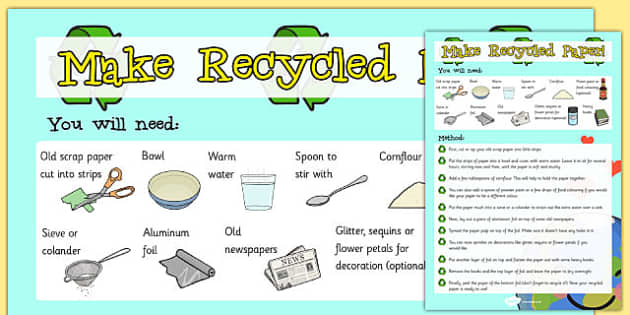
As educators, we have the power to shape the minds of our students and instill in them a sense of responsibility towards the environment. One way to do this is by teaching children about the importance of recycling paper. In this article, we will provide you with practical tips on how to recycle paper in schools, making it an engaging and educational experience for your students.
Why Recycle Paper?
Paper is one of the most widely used materials in our daily lives, but it’s also one of the largest contributors to waste. Recycling paper helps reduce the amount of waste sent to landfills, conserves natural resources, and reduces greenhouse gas emissions. By teaching children about recycling, we can empower them to make a positive impact on the environment.
How Paper is Made
Before we dive into the recycling process, let’s take a look at how paper is made. Paper is made from wood pulp, which comes from trees. The wood pulp is processed into cellulose fibers, mixed with water and other chemicals, and then formed into sheets using a machine called a Fourdrinier. These sheets are then dried, cut to size, and finished into the paper products we use every day.
Recycling Paper: A Simple Process
Now that we know how paper is made, let’s move on to the recycling process. Recycling paper is a simple process that requires minimal equipment and resources. Here’s a step-by-step guide:
- Collect paper waste from classrooms, offices, and other areas of the school.
- Sort the paper into different categories, such as newspaper, cardboard, and printer paper.
- Shred or tear the paper into small pieces to make it easier to recycle.
- Place the shredded paper into a container or bin labeled “Recycling.”
Making Recycling Fun
While recycling is an important process, making it fun can help engage children and encourage them to participate. Here are some ideas:
- Create a “Paper Recycling Station” in the classroom where students can sort and recycle their own paper waste.
- Use colorful bins and labels to make the recycling process more visually appealing.
- Encourage students to think creatively about ways to reduce, reuse, and recycle paper products.
Teaching Children About Recycling
When teaching children about recycling, it’s essential to make it engaging and interactive. Here are some tips:
- Use simple language and examples to explain the recycling process.
- Show children how recycling helps the environment and reduces waste.
- Encourage students to ask questions and share their own ideas for reducing waste.
Case Studies
Here are a few case studies of schools that have successfully implemented paper recycling programs in their classrooms:
-
Case Study 1: Elementary School
- The elementary school implemented a paper recycling program by collecting paper from all grades and sorting it into different categories.
- Students were encouraged to participate in the process and learn about the benefits of recycling.
- The school saw a significant reduction in waste sent to landfills and increased awareness among students about environmental responsibility.
-
Case Study 2: High School
- The high school implemented a paper recycling program by creating a “Paper Recycling Station” in the cafeteria.
- Students were encouraged to recycle their own paper products, such as newspaper, cardboard, and printer paper.
- The school saw a significant reduction in waste sent to landfills and increased awareness among students about environmental responsibility.
Tips for Implementing a Paper Recycling Program
Here are some tips for implementing a successful paper recycling program:
- Start small: Begin with one grade level or classroom and gradually expand the program as needed.
- Educate staff and students: Make sure everyone in the school is aware of the importance of recycling and how to do it correctly.
- Make it accessible: Provide easy-to-use bins and labels for sorting paper products.
- Incentivize participation: Offer rewards or recognition to students who participate in the recycling process.
Overcoming Common Challenges
Here are some common challenges that schools may face when implementing a paper recycling program, along with tips for overcoming them:
- Lack of staff time: Assign one person to oversee the recycling process and delegate tasks as needed.
- Inadequate facilities: Use existing storage space or rent additional bins and labels if necessary.
- Student engagement: Make recycling fun by incorporating games and activities into the program.
Conclusion
Recycling paper is an easy and effective way to reduce waste, conserve natural resources, and teach children about environmental responsibility. By following these simple steps and making recycling fun, we can empower our students to make a positive impact on the environment. With proper implementation and ongoing support, schools can see significant reductions in waste sent to landfills and increased awareness among students about environmental responsibility.
Frequently Asked Questions
- What types of paper can be recycled?
- How do I get started with recycling paper in my classroom or school?
- Can I recycle paper products at home?
- What happens to the recyclable materials after they’re collected?
- How can I involve parents and community members in the recycling process?
Additional Resources
For more information on implementing a paper recycling program, you can visit the following websites:
- EPA’s Recycling Guide: Provides tips and resources for implementing a successful recycling program.
- The Paper Products Council: Offers guidance on recycling paper products and provides educational materials for schools.
By working together, we can create a more sustainable future for our students and communities.


