
As we celebrate the new year, Italy has announced its plans to support households in upgrading their home appliances with the introduction of the Ecobonus scheme for electric domestic appliances. This intelligent gift is part of the government’s efforts to encourage energy-efficient practices and reduce carbon emissions.
The Importance of Energy-Efficient Home Appliances
In this article, we will delve into the details of the Ecobonus scheme, its benefits, and how it can help households in Italy reduce their energy consumption and save money on their utility bills. We’ll also explore the historical context behind the introduction of the scheme and what it means for the future of energy-efficient home appliances.
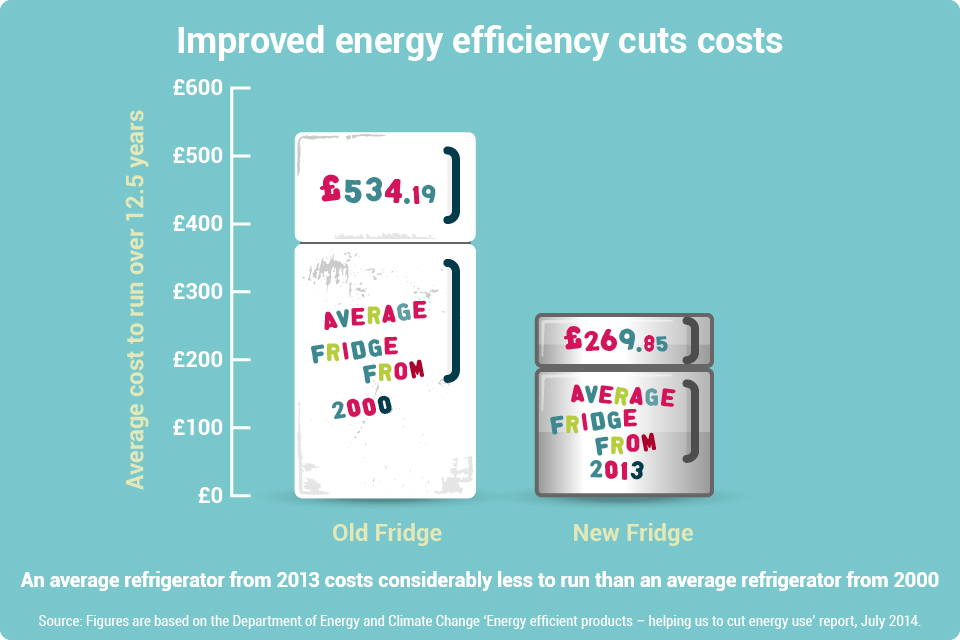
Energy-efficient home appliances are designed to consume less energy while providing similar performance to traditional models. By using these appliances, households can significantly reduce their carbon footprint, lower their energy bills, and contribute to a more sustainable environment. The benefits of energy-efficient home appliances include:
- Reduced Energy Consumption: Energy-efficient appliances consume less energy than traditional models, which can lead to significant savings on utility bills.
- Lower Carbon Footprint: By using energy-efficient appliances, households can reduce their carbon emissions and contribute to a more sustainable environment.
- Improved Performance: Energy-efficient appliances often provide better performance and longer lifespan compared to traditional models.
- Increased Reliability: Energy-efficient appliances are designed to be more reliable and less prone to breakdowns.
The Ecobonus Scheme: A Boost for the Italian Economy
The Ecobonus scheme is a government-backed initiative that provides a 50% tax deduction on the purchase of energy-efficient home appliances. This means that households can save up to €50 on their appliance purchases when they choose to buy energy-efficient models. The scheme aims to encourage households to upgrade their home appliances with energy-efficient models, which can lead to significant savings on utility bills and a reduced carbon footprint.
The Statistics Don’t Lie
According to data from AIRES, an association representing specialized electrical retailers in Italy, the sales of energy-efficient home appliances have been increasing steadily over the past few years. In November 2013, the sales of large domestic appliances such as refrigerators, washing machines, and dishwashers saw a significant increase of +11% compared to the same month in 2012.
The data also shows that the trend is positive for home appliances, with a growth rate of +3.6% in August, +2.6% in September, +5.4% in October, and +2.11% in November compared to the same months in 2012.
A Positive Trend for Home Appliances
The growth of energy-efficient home appliances has also contributed to the positive trend in the technology sector as a whole. The sales of smartphones, tablets, and other electronic devices have increased significantly over the past few years, with a growth rate of +11% in November compared to the same month in 2012.
Simplifying the Process
To make the most of the Ecobonus scheme, households need to ensure that they purchase energy-efficient home appliances from authorized retailers and register their purchases with the relevant authorities. The Italian government has also introduced a new system to simplify the process and reduce paperwork for households.
Households can check with their retailer to determine if the appliance they are purchasing is eligible for the Ecobonus scheme. They must also ensure that the appliance meets the eligibility criteria set by the government, which includes energy efficiency standards and certification from recognized organizations such as the International Electrotechnical Commission (IEC) or the European Union’s Energy Efficiency Regulation.
What’s Next?
The future of energy-efficient home appliances in Italy looks promising, thanks to the introduction of the Ecobonus scheme. However, there are still challenges to be overcome, such as ensuring that households understand the benefits of energy-efficient appliances and that the government provides adequate support to simplify the process.
To ensure a successful implementation of the Ecobonus scheme, the Italian government must:
- Raise Awareness: Educate households about the benefits of energy-efficient home appliances and the eligibility criteria for the Ecobonus scheme.
- Simplify the Process: Streamline the registration process and reduce paperwork for households to make it easier for them to access the scheme.
- Provide Support: Offer support to retailers and installers to ensure that they are equipped with the necessary knowledge and resources to promote energy-efficient home appliances.
Conclusion
In conclusion, the Ecobonus scheme is a great initiative by the Italian government to encourage households to upgrade their home appliances with energy-efficient models. By providing a 50% tax deduction on the purchase of these appliances, households can save money on their utility bills and contribute to a more sustainable environment.
The benefits of energy-efficient home appliances are numerous, including reduced energy consumption, lower carbon footprint, improved performance, and increased reliability. The Ecobonus scheme aims to encourage households to adopt energy-efficient practices and reduce their reliance on fossil fuels.
As the world continues to grapple with the challenges of climate change, it is essential that we prioritize sustainable energy solutions. Energy-efficient home appliances are a crucial part of this effort, and initiatives like the Ecobonus scheme can play a significant role in promoting their adoption.
Frequently Asked Questions
Q: What is the Ecobonus scheme?
A: The Ecobonus scheme is a government-backed initiative that provides a 50% tax deduction on the purchase of energy-efficient home appliances.
Q: Which types of appliances are eligible for the Ecobonus scheme?
A: Large domestic appliances such as refrigerators, washing machines, dishwashers, and air conditioners are eligible for the Ecobonus scheme.
A: Households need to ensure that they purchase energy-efficient home appliances from authorized retailers and register their purchases with the relevant authorities.
Q: What is the benefit of purchasing energy-efficient home appliances?
A: Energy-efficient home appliances consume less energy while providing similar performance to traditional models, resulting in significant savings on utility bills and a reduced carbon footprint.
Q: How can I ensure that my purchase is eligible for the Ecobonus scheme?
A: Households need to check with their retailer to ensure that the appliance they are purchasing meets the eligibility criteria for the Ecobonus scheme.
A: The deadline for registering purchases with the relevant authorities varies depending on the type of appliance and the household’s situation. Households should check with their retailer or the relevant authorities to determine the specific deadline.
Q: How can I ensure that my energy-efficient home appliances are installed correctly?
A: Households should hire a qualified installer who is familiar with the installation process for energy-efficient appliances to ensure that they are installed correctly and safely.
Q: What is the impact of the Ecobonus scheme on the environment?
A: The Ecobonus scheme can help reduce carbon emissions and contribute to a more sustainable environment by promoting the use of energy-efficient home appliances.


