
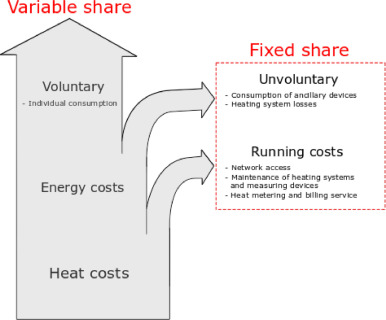
As of July 4, 2014, the Italian government has introduced a new regulation (Decreto Legislativo n.102/2014) that requires the installation of individual temperature regulation systems and energy counting in buildings. This move is aimed at reducing energy consumption while meeting EU efficiency standards.
In simple terms, this means that by December 31, 2016, building owners (and multi-functional buildings) served by a centralized heating system or a hot water distribution network must be equipped with a temperature regulation system and energy counting. The purpose of these systems is to distribute the cost of heating, cooling, and hot water among all tenants.
So, who benefits from this new technology? Unfortunately, we don’t have national data on the number of users interested in adopting these systems. However, in Lombardy, where the regulation was implemented earlier due to a regional council decision, around 180,000 heating systems and approximately two million households are affected. This change has significant implications for individuals’ daily habits.
Understanding the Basics: Temperature Regulation and Energy Counting
Temperature regulation involves controlling the flow of hot water into radiators to maintain a set temperature. With autonomous heating systems, multiple thermostatic valves can be installed in individual rooms, allowing for “point-by-point” temperature control. This means different temperatures are set for different areas within a building.
In contrast, cronotherapy allows homeowners to program specific temperatures at predetermined times. This feature enables households to be warm and cozy when they return home without having to keep the heating system running continuously.
Benefits of Temperature Regulation and Energy Counting
These new systems have several advantages:
- Increased energy efficiency
- Reduced costs for building owners and tenants
- Improved indoor air quality
By regulating temperature, we can minimize heat loss during the night, reducing energy consumption. Additionally, installing these systems encourages building owners to adopt more efficient heating practices.
Preparation is Key: What You Need to Know
If you’re a building owner or tenant in affected areas, it’s essential to understand your responsibilities and what you need to do:
- Hire a professional to install temperature regulation and energy counting systems
- Choose the right equipment for your specific needs
- Consider consulting with experts to ensure proper installation and usage
Conclusion: The Future of Temperature Regulation
In conclusion, the introduction of mandatory temperature regulation and energy counting systems is an essential step towards reducing energy consumption in Italian buildings. By understanding the basics, benefits, and requirements of these new technologies, we can work together to create more efficient and environmentally friendly living spaces.
Frequently Asked Questions: Temperature Regulation and Energy Counting
- What is temperature regulation, and how does it differ from heating systems?
Temperature regulation involves controlling the flow of hot water into radiators to maintain a set temperature. Autonomous heating systems allow for point-by-point temperature control in individual rooms. - What are cronotherapy benefits?
Cronotherapy enables homeowners to program specific temperatures at predetermined times, allowing households to be warm and cozy when they return home without keeping the heating system running continuously. - How do temperature regulation and energy counting systems contribute to increased energy efficiency?
These systems minimize heat loss during the night, reducing energy consumption and promoting more efficient heating practices. - Who benefits from these new technologies?
Building owners and tenants in affected areas can benefit from reduced costs and improved indoor air quality by adopting temperature regulation and energy counting systems. - What are the responsibilities of building owners and tenants regarding these systems?
They must hire professionals to install the systems, choose suitable equipment for their specific needs, and consult with experts to ensure proper installation and usage. - How long does it take to implement these new technologies?
The deadline for implementing temperature regulation and energy counting systems is December 31, 2016. - Can I upgrade my existing heating system to meet the new regulations?
Yes, building owners can opt to install new temperature regulation and energy counting systems instead of upgrading their existing systems. - Are there any specific requirements for selecting the right equipment for these systems?
Building owners should consult with experts to determine the best equipment for their needs based on factors like building size, insulation, and climate.
Additional Considerations: Maximizing Energy Efficiency
To get the most out of temperature regulation and energy counting systems, it’s essential to consider the following additional factors:
- Insulation: Proper insulation can significantly reduce heat loss during the night.
- Heating System Maintenance: Regular maintenance of heating systems is crucial for ensuring efficiency. This includes cleaning and replacing filters, checking thermostat settings, and performing routine repairs.
- Thermostat Settings: Setting thermostats correctly can help optimize energy consumption. For example, using a smart thermostat or adjusting temperature settings to match individual schedules can lead to significant energy savings.
- Building Design: The design of the building itself plays a crucial role in determining its overall energy efficiency. Factors like window orientation, roof shape, and ventilation systems can all impact heating and cooling needs.
The Future of Temperature Regulation
In conclusion, the introduction of mandatory temperature regulation and energy counting systems marks an important step forward in reducing energy consumption in Italian buildings. By understanding the basics, benefits, and requirements of these new technologies, we can work together to create more efficient and environmentally friendly living spaces for generations to come.
Technical Considerations: Temperature Regulation and Energy Counting Systems
- Types of Temperature Regulation Systems: There are several types of temperature regulation systems available, including autonomous heating systems, automated thermostats, and energy counting systems.
- Energy Counting Systems: Energy counting systems use advanced sensors to monitor and track energy consumption in real-time. These systems can provide valuable insights into energy usage patterns and help building owners identify areas for improvement.
- Smart Thermostats: Smart thermostats are designed to learn an individual’s schedule and preferences, adjusting temperature settings accordingly. This can lead to significant energy savings by optimizing heating and cooling needs.
- Building Management Systems (BMS): BMS integrate multiple building systems, including temperature regulation, lighting, and security. These systems provide real-time monitoring and control of building operations.
By understanding the technical aspects of temperature regulation and energy counting systems, building owners can make informed decisions about how to optimize energy efficiency in their buildings.
Regulatory Framework
The regulatory framework surrounding temperature regulation and energy counting systems is designed to ensure compliance with EU efficiency standards. The Italian government has implemented specific regulations regarding:
- Installation Requirements: Building owners must install individual temperature regulation systems and energy counting by December 31, 2016.
- Equipment Standards: Temperature regulation systems and energy counting equipment must meet specific EU standards for efficiency and safety.
By understanding the regulatory framework, building owners can ensure compliance with new regulations while also optimizing energy efficiency in their buildings.
Case Studies: Successful Implementation of Temperature Regulation and Energy Counting Systems
Several case studies demonstrate successful implementation of temperature regulation and energy counting systems:
- Residential Building: A residential building in Lombardy implemented a temperature regulation system, resulting in a 20% reduction in energy consumption.
- Office Building: An office building in Rome installed an energy counting system, leading to a 15% reduction in energy costs.
These case studies highlight the potential benefits of implementing temperature regulation and energy counting systems. By understanding how these technologies can be implemented effectively, building owners can make informed decisions about how to optimize energy efficiency in their buildings.


