
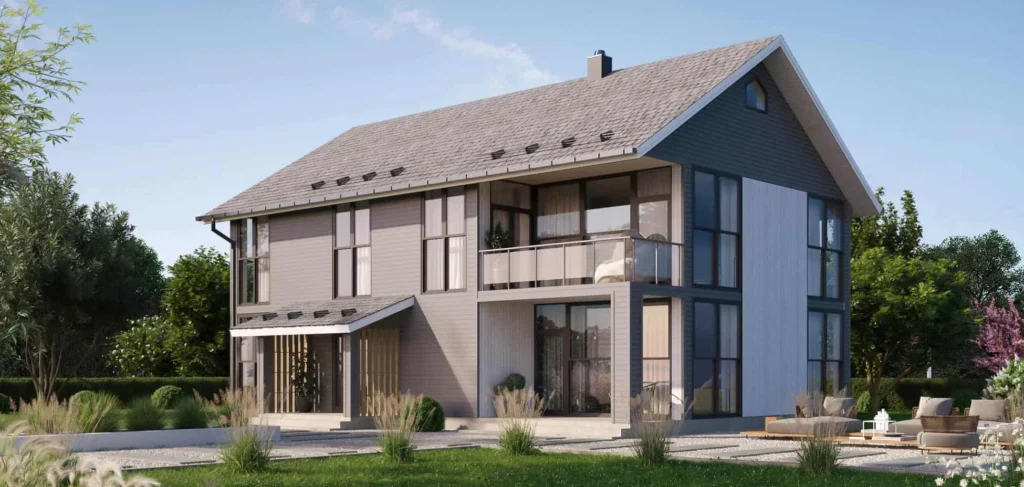
Prefabricated wood homes are a popular choice for those looking to build an eco-friendly and sustainable living space. These homes are constructed from natural materials, such as wood, and are designed to provide excellent insulation, energy efficiency, and comfort. In this article, we will delve into the benefits of prefabricated wood homes, exploring the various certifications and standards that ensure their high quality.
Understanding Prefabricated Wood Homes
Prefabricated wood homes are a type of housing that is built in a factory or workshop before being transported to the construction site. This process allows for greater control over the building process, resulting in faster construction times and higher-quality finishes. The use of natural materials, such as wood, provides several benefits, including:
- Energy efficiency: Prefabricated wood homes are designed to minimize heat loss and gain, reducing energy consumption and costs.
- Sustainability: The use of natural materials and prefabrication reduces waste and minimizes environmental impact.
- Comfort: Prefabricated wood homes provide a comfortable living space, with excellent insulation and soundproofing capabilities.
Benefits of Prefabricated Wood Homes
In addition to the benefits mentioned above, there are several other advantages of prefabricated wood homes. These include:
- Cost-effective: Prefabricated wood homes can be more cost-effective than traditional building methods, as they eliminate the need for on-site construction.
- Faster construction times: The prefabrication process allows for faster construction times, reducing the time it takes to complete a home.
- Quality control: The factory-based construction process ensures that every aspect of the home is inspected and tested before being transported to the site.
Certifications and Standards
There are several certifications and standards that ensure the quality and sustainability of prefabricated wood homes. These include:
- LEED (Leadership in Energy and Environmental Design): This certification recognizes buildings that meet rigorous environmental standards, including energy efficiency, water conservation, and sustainable materials.
- Passivehaus: This standard sets requirements for energy-efficient building design, ensuring that homes are well-insulated and able to minimize heat loss and gain.
- Casaclima: This Italian certification program ensures that homes meet strict energy efficiency standards, with a focus on reducing energy consumption and greenhouse gas emissions.
Isolation and Soundproofing
One of the key benefits of prefabricated wood homes is their excellent isolation and soundproofing capabilities. The use of natural materials, such as wood, provides superior insulation against:
- Cold temperatures: Wood is an effective insulator, reducing heat loss in the winter months.
- Noise pollution: The acoustic properties of wood ensure that noise from outside the home is minimized.
Key Considerations
When considering a prefabricated wood home, there are several key considerations to keep in mind:
- Proper design and planning: A well-designed home will maximize energy efficiency and comfort.
- Quality materials: The use of high-quality materials is essential for ensuring the durability and sustainability of the home.
- Professional installation: Proper installation is crucial for ensuring that the home functions as intended.
Q&A
Here are some frequently asked questions about prefabricated wood homes:
- What are the benefits of using natural materials in construction?
- Natural materials like wood provide superior insulation against cold temperatures and noise pollution.
- How does energy efficiency impact a home’s comfort and sustainability?
- Energy-efficient homes minimize heat loss and gain, reducing energy consumption and costs.
- What certifications should I look for when selecting a prefabricated wood home?
- Look for LEED, Passivehaus, or Casaclima certifications to ensure the home meets rigorous environmental standards.
- How can I ensure that my home is properly insulated and soundproofed?
- Proper design and planning are key to maximizing energy efficiency and comfort. Use high-quality materials and professional installation techniques.
- What are the key considerations when designing and building a prefabricated wood home?
- Consider factors like insulation, soundproofing, energy efficiency, and sustainability when designing and building your home.
Conclusion
Prefabricated wood homes offer numerous benefits, including energy efficiency, sustainability, and comfort. By understanding the certifications and standards that ensure their high quality, homeowners can make informed decisions about their living space. With proper design, planning, and professional installation, prefabricated wood homes can provide a comfortable, sustainable, and eco-friendly living solution for years to come.
Frequently Asked Questions
- What are the benefits of using natural materials in construction?
- Natural materials like wood provide superior insulation against cold temperatures and noise pollution.
- How does energy efficiency impact a home’s comfort and sustainability?
- Energy-efficient homes minimize heat loss and gain, reducing energy consumption and costs.
- What certifications should I look for when selecting a prefabricated wood home?
- Look for LEED, Passivehaus, or Casaclima certifications to ensure the home meets rigorous environmental standards.
- How can I ensure that my home is properly insulated and soundproofed?
- Proper design and planning are key to maximizing energy efficiency and comfort. Use high-quality materials and professional installation techniques.
- What are the key considerations when designing and building a prefabricated wood home?
- Consider factors like insulation, soundproofing, energy efficiency, and sustainability when designing and building your home.
By understanding these benefits, certifications, and key considerations, homeowners can make informed decisions about their living space and create a comfortable, sustainable, and eco-friendly home.


