
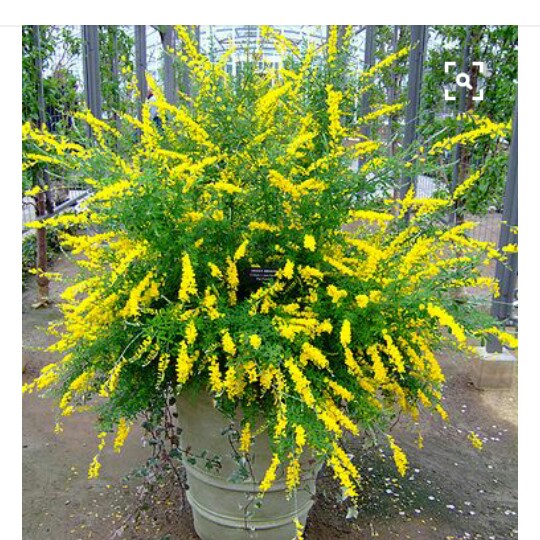
As a plant enthusiast, you may have heard of the cytisus racemosus, also known as the broom bush. This Mediterranean-type shrub is a popular ornamental plant in many parts of Europe, Asia, and Africa. In this article, we will delve into the characteristics of cytisus racemosus, its care requirements, and some interesting facts about this beautiful plant.
Characteristics of Cytisus Racemosus
Cytisus racemosus is a low-growing shrub with varying dimensions, reaching up to 2 meters in height. It has trifoliate leaves with dark green color and lanuginous texture. The plant’s most distinctive feature is its vibrant yellow flowers that bloom from April to May, emitting a pleasant fragrance.
The cytisus racemosus is widely used for decorative purposes, both in pots and in the ground. Its compact size makes it an ideal choice for balconies, terraces, and rock gardens. In contrast to its sprawling habits in open fields, it remains relatively small when grown in containers (50-60 cm tall and 30 cm wide).
Native Habitat and Distribution
Cytisus racemosus is native to Italy, with a broad distribution across the country. It can be found in both coastal and mountainous regions, although different varieties may dominate these environments.
Care Requirements
Fortunately, cytisus racemosus is an easy-to-grow plant that thrives in various conditions. To ensure its optimal growth, provide it with:
- Exposure: Partial shade to full sun
- Soil: Well-draining and fertile soil or other substrates
- Watering: Regular watering, especially during spring and summer
- Fertilization: Moderate fertilization
By following these guidelines, you can enjoy the beauty of cytisus racemosus in your garden.
How to Propagate Cytisus Racemosus
Cytisus racemosus can be propagated through two methods:
- Seeds: Sow seeds in spring (March) and maintain a consistent temperature around 20°C.
- Cuttings: Take cuttings from new growth (April) and plant them in a mixture of soil and sand.
Keep the soil moist during germination, and provide enough sunlight for healthy growth.
Potential Problems
While cytisus racemosus is generally easy to care for, it may be susceptible to certain issues:
- Lack of flowering: May indicate inadequate fertilization
- Leaf pests: Ragnetti rosso (red mites) can infest the lower leaf surfaces
- Root problems: Overwatering or poor drainage can lead to root rot
Pruning and Maintenance
Regular pruning is essential for maintaining the shape of your cytisus racemosus plant. Prune in late autumn or early spring, removing dead flowers, and cutting back any overgrown branches.
During periods of drought, reduce watering and fertilize less frequently. This will help prevent root damage and promote healthy growth.
Interesting Facts About Cytisus Racemosus
Here are some interesting facts about cytisus racemosus:
- Historical significance: The plant has been used in traditional medicine for centuries to treat various ailments, including fever, rheumatism, and skin conditions.
- Wildlife value: The yellow flowers of cytisus racemosus attract pollinators, such as bees and butterflies, which are essential for maintaining ecosystem balance.
- Cultivation history: The plant was introduced to Europe from Italy in the 18th century and has since become a popular ornamental species.
Growth Conditions
To ensure optimal growth, cytisus racemosus should be grown in:
- Well-draining soil: A mix of sand, loam, and compost or other substrates with good drainage
- Full sun to partial shade: Avoid direct sunlight during peak hours to prevent leaf scorch
- Regular watering: Water the plant regularly, but avoid overwatering
By following these guidelines, you can enjoy the beauty and benefits of cytisus racemosus in your garden.
Pest Control
To prevent infestation by pests like aphids, whiteflies, and mealybugs:
- Inspect plants regularly: Check for any signs of damage or insects
- Use organic pest control methods: Apply neem oil, insecticidal soap, or pyrethrin to affected areas
By taking proactive steps, you can protect your cytisus racemosus plant from pests and diseases.
Propagation through Division
Cytisus racemosus can also be propagated by dividing the roots of a mature plant. This method is more suitable for plants that have outgrown their containers or need to be divided due to disease or root damage.
To divide the roots, follow these steps:
- Dig carefully: Use a fork or spade to gently remove the plant from its container
- Separate the roots: Carefully separate the roots of each division using a sharp knife or pruning tool
- Replant the divisions: Replant the divisions in well-draining soil, and water thoroughly


