
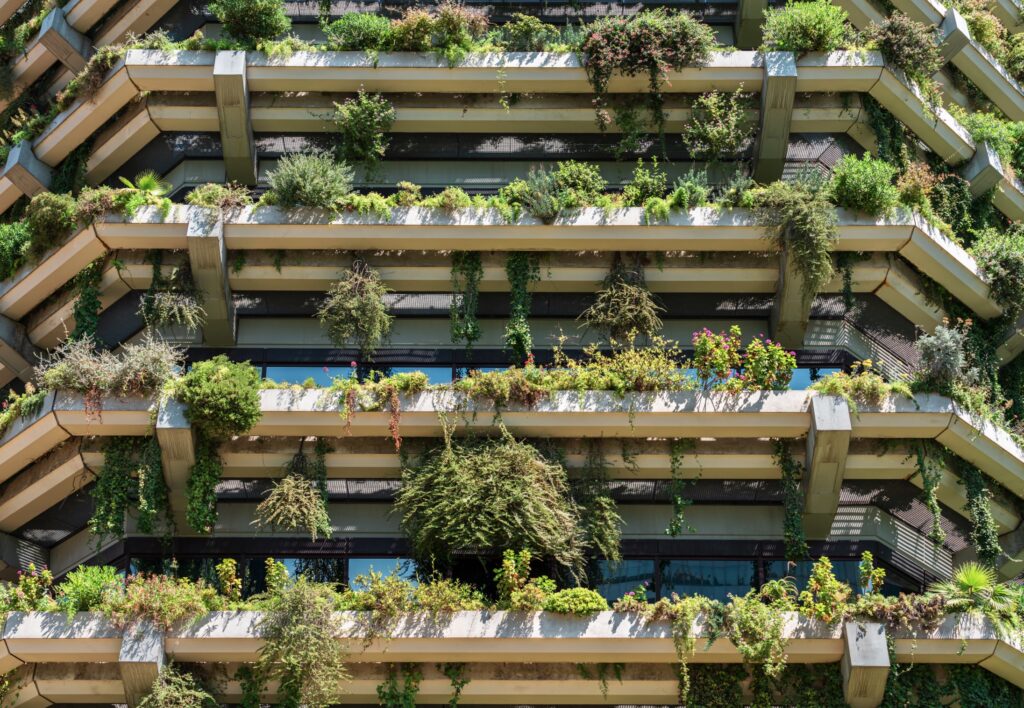
As we navigate our increasingly complex relationship with the built environment, it’s essential to rethink our approach to building design and construction. One approach that has gained significant attention in recent years is bioarchitecture, a design philosophy that prioritizes harmony between buildings and their natural surroundings. In this article, we’ll explore how to incorporate bioarchitecture principles into your home renovations, ensuring a healthier, more sustainable, and more comfortable living space.
The Principles of Bioarchitecture
Bioarchitecture is built on the concept of bioclimatic design, which aims to create buildings that interact with their environment in a way that minimizes negative impacts. By understanding and working with natural processes, bioarchitecture seeks to reduce energy consumption, promote well-being, and enhance the overall quality of life.
Orienting Rooms for Maximum Comfort
When renovating your home, one of the most critical decisions is room orientation. If your renovation is extensive, consider using bioclimatic principles to orient rooms along the sun path. This architectural strategy allows for maximum heat recovery during irradiation in winter and maximum natural lighting in summer.
Natural Ventilation and Air-Tightness
In addition to optimizing room orientation, bioarchitecture emphasizes the importance of natural ventilation and air-tightness. By carefully designing openings (windows and doors) that ensure optimal airflow, you can create a healthier indoor environment while reducing energy consumption. High-performance windows and clear surfaces can further enhance indoor lighting.
Materials Matter: Choosing Healthy and Sustainable Options
When renovating your home using bioarchitecture principles, it’s essential to evaluate the materials used. Choose non-toxic materials that promote human health and environmental sustainability. This includes evaluating materials from 360°, considering infills, flooring, insulation panels, and facades’ paints.
Insulation: The Key to Energy Efficiency
Effective insulation is crucial in bioarchitecture renovations. By using internal thermal insulation and external thermal insulation, you can minimize heat dispersion and maximize energy efficiency. Natural insulating materials can provide higher benefits but come at a higher cost.
Domotics: The Intelligent Ally of Comfort and Well-being
Integrating domotics into your renovation project can significantly enhance comfort and well-being. Domotic technologies enable the efficient use of resources, from Wi-Fi thermostats to heat recovery systems, intelligent LED lighting, and automatic cleaning systems.
Key Considerations for Bioarchitecture Renovations
When embarking on a bioarchitecture renovation, keep the following considerations in mind:
- Optimize room orientation to maximize natural light and ventilation
- Choose non-toxic materials that promote human health and environmental sustainability
- Prioritize air-tightness and insulation to minimize energy consumption
- Integrate domotics for efficient resource use and enhanced comfort
- Consider high-performance thermal and energetic efficiency A-class doors and windows
Climate-Sensitive Design: Adapting to Regional Variations
Bioarchitecture principles can be adapted to different regional climates, ensuring a harmonious relationship between the building and its environment. For example:
- In tropical regions, prioritize shading devices and natural ventilation to reduce cooling loads.
- In temperate zones, focus on insulation and thermal mass to regulate indoor temperatures.
- In arid environments, emphasize water conservation and efficient irrigation systems.
Adapting Bioarchitecture Principles for Different Property Types
Bioarchitecture principles can be applied to various property types, including:
- Residential buildings: Incorporate natural ventilation, air-tightness, and insulation to create a healthy living space.
- Commercial spaces: Prioritize energy efficiency and comfort while minimizing environmental impact.
- Public buildings: Balance functionality with sustainability and bioclimatic design.
Best Practices for Bioarchitecture Renovations
To ensure successful bioarchitecture renovations:
- Collaborate with architects, engineers, and contractors to integrate bioarchitecture principles into the design process.
- Conduct thorough site analysis to understand local climate conditions and natural resources.
- Evaluate materials and technologies from a holistic perspective, considering both environmental impact and human health benefits.
- Prioritize energy efficiency, water conservation, and waste reduction throughout the renovation process.
Conclusion
Rethinking building design through bioarchitecture principles can lead to healthier, more sustainable living spaces. By incorporating natural ventilation, air-tightness, and non-toxic materials into your renovation project, you can create a comfortable and environmentally friendly home that promotes well-being for generations to come.
Frequently Asked Questions (FAQs)
- What is bioarchitecture, and how does it differ from traditional building design?
- Bioarchitecture is a design philosophy that prioritizes harmony between buildings and their natural surroundings, aiming to minimize negative impacts.
- How can I optimize room orientation for maximum comfort in my home renovation?
- Consider using bioclimatic principles to orient rooms along the sun path, ensuring optimal heat recovery during irradiation in winter and maximum natural lighting in summer.
- What are some key considerations when choosing non-toxic materials for bioarchitecture renovations?
- Evaluate materials from 360°, considering infills, flooring, insulation panels, and facades’ paints to ensure a healthier indoor environment.
- How can I minimize energy consumption during my home renovation using bioarchitecture principles?
- Prioritize air-tightness and insulation, using natural insulating materials and high-performance thermal and energetic efficiency A-class doors and windows.
- What is domotics, and how can it enhance comfort and well-being in bioarchitecture renovations?
- Domotics refers to the integration of intelligent technologies that enable efficient resource use, from Wi-Fi thermostats to heat recovery systems and automatic cleaning systems.
- Can I still benefit from a bioarchitecture renovation if I have limited budget?
- While high-end materials may be beneficial, it’s possible to incorporate bioarchitecture principles into your renovation project even with a limited budget, focusing on optimizing room orientation, choosing non-toxic materials, and prioritizing air-tightness and insulation.
- How can I ensure my home is well-ventilated during a bioarchitecture renovation?
- Carefully design openings (windows and doors) that ensure optimal airflow, using high-performance windows and clear surfaces to enhance indoor lighting.
- What are some common mistakes to avoid when incorporating bioarchitecture principles into your home renovation?
- Be mindful of potential errors, such as neglecting natural ventilation or choosing materials with low thermal insulation properties.
By embracing bioarchitecture principles in your home renovations, you can create a healthier, more sustainable living space that promotes well-being and reduces environmental impact.


