
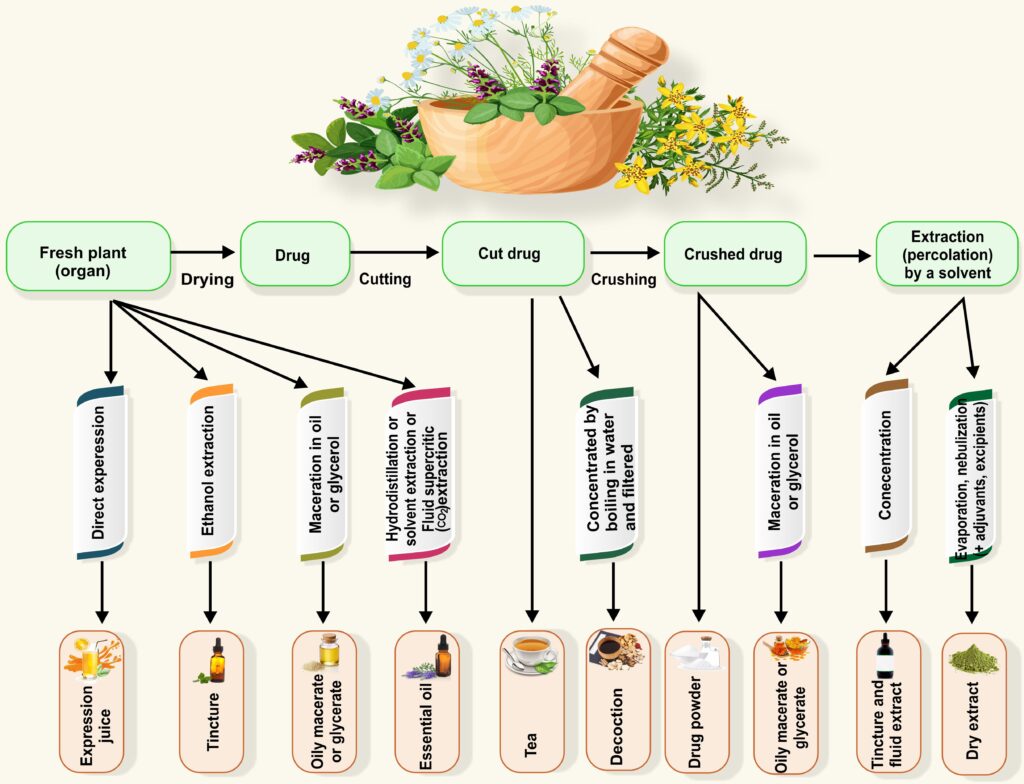
What is Phytotherapy?
Phytotherapy, also known as plant-based medicine, is a holistic approach to health that uses plants and botanicals to prevent, diagnose, and treat diseases. It’s a centuries-old practice that has gained popularity in recent years due to its natural and non-invasive nature.
Phytotherapy is based on the concept that plants contain unique compounds that can interact with our bodies in specific ways. These compounds can affect various physiological processes, such as inflammation, stress response, and neurotransmitter activity. While we still have much to learn about phytotherapy’s mechanisms of action, research has identified several key players.
Differences between Phytotherapy and Homeopathy
Phytotherapy differs from homeopathy in several ways. While homeopathy uses highly diluted substances made from plants, animals, or minerals, phytotherapy focuses on using whole plants, herbs, and botanicals. Phytotherapy is also more science-based than homeopathy, with many studies supporting its effectiveness.
The Benefits of Phytotherapy
Phytotherapy can be an effective treatment for various health issues, including:
- Chronic pain management: Phytotherapies like willow bark (salicylic acid) and turmeric have been shown to reduce inflammation and alleviate chronic pain.
- Mental health support: Herbal teas like chamomile and passionflower can promote relaxation and improve sleep quality, which is essential for mental well-being.
- Immune system regulation: Phytotherapies like echinacea and goldenseal have been used to boost the immune system and prevent illnesses.
The Risks of Phytotherapy
While phytotherapy is generally considered safe, there are some potential risks to be aware of:
- Allergic reactions: Some people may experience allergic reactions to certain herbs or botanicals.
- Interactions with medications: Phytotherapies can interact with prescription medications, so it’s essential to consult with a healthcare professional before using them.
- Pregnancy and breastfeeding concerns: Certain phytotherapies, like St. John’s Wort, may not be safe for pregnant or breastfeeding women.
Phytotherapy for Weight Loss
When it comes to weight loss, phytotherapy has gained popularity in recent years. However, many products on the market make unsubstantiated claims about their effectiveness. It’s essential to approach these claims with a healthy dose of skepticism and look for evidence-based information.
Some phytotherapies that may be useful for weight loss include:
- Green tea: Green tea contains catechins, which have been shown to aid in fat burning and improve metabolism.
- Garcinia cambogia: Garcinia cambogia extract has been used to suppress appetite and inhibit fat production.
The Dark Side of Phytotherapy Advertising
Phytotherapy advertising often prioritizes profits over scientific evidence. Companies may exaggerate or manipulate data to promote their products, leading consumers to make uninformed decisions. Be cautious of ads that promise miraculous results or rely on pseudoscience.
Protecting Yourself from Deceptive Marketing
To avoid falling prey to deceptive marketing tactics:
- Check if the manufacturer has any scientific backing: Look for studies and research that support the claims made by the manufacturer.
- Look for third-party testing and certification: Reputable manufacturers often undergo rigorous testing and certification processes to ensure their products meet certain standards.
- Consult with a healthcare professional before making any decisions: A healthcare professional can provide personalized advice and help you make informed decisions about your health.
Autoprescrition and Phytotherapy
In Italy, phytotherapy is not subject to the same regulations as conventional medicine. While this may make it more accessible, it also raises concerns about safety and efficacy. As with any treatment, consult your doctor or a qualified healthcare professional before using phytotherapics.
Conclusion
Phytotherapy offers a promising alternative for those seeking natural and holistic approaches to health. By understanding the science behind phytotherapy, its benefits and risks, and how to protect yourself from deceptive marketing, you can harness its power to improve your well-being.
Frequently Asked Questions (FAQs)
Q: Is phytotherapy regulated by government agencies?
A: In some countries, yes; in others, no.
Q: How do I choose a high-quality phytotherapy product?
A: Look for products that have been tested and certified by third-party organizations.
Q: Can phytotherapy interact with medications?
A: Yes, it’s essential to consult your doctor before using phytotherapics if you’re taking prescription medication.
Q: How can I protect myself from deceptive marketing?
A: Be cautious of ads that make unsubstantiated claims or rely on pseudoscience. Research the manufacturer and look for scientific evidence.
Q: Can phytotherapy be used to treat serious medical conditions?
A: While some studies suggest potential benefits, more research is needed to fully understand phytotherapy’s effects on serious medical conditions.
Q: How can I get started with phytotherapy?
A: Consult with a healthcare professional or registered herbalist to find the best approach for your specific needs.


