
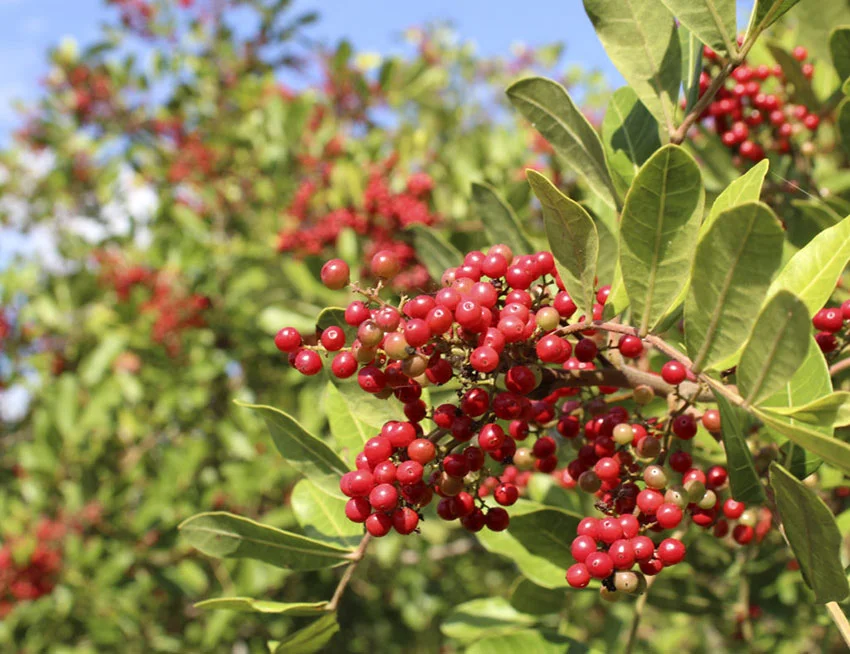
Peper Rosa, A Plant and Guide to Cultivation
Discover the benefits of the rose pepper plant (Schinus molle), a natural substitute for common peppers. Learn about its history, uses in herbalism, and how to cultivate it.
Falsely Named: The True Story Behind Rose Pepper and True Pepper
The true story behind rose pepper begins with the Piper nigrum plant, which produces the fruits that are commonly known as peppers. The same fruit can be processed into different types of pepper:
- White Pepper: Made from the seeds of unripe peppers
- Black Pepper: Made from fully ripe peppers
- Green Pepper: Immature peppers
However, rose pepper is actually derived from a plant called Schinus molle (falsely known as pepe rosa), belonging to the Anacardiaceae family.
Rose Pepper Plant: A Botanical Description
The rose pepper plant (Schinus molle) is more closely related to pistachio and mango plants than the true pepper. Its flowers and leaves are vibrant, colorful, and can be grown ornamentally.
The plant produces red berries in August that mature quickly. The beautiful, evergreen tree stands at a considerable height, making it a popular choice for bonsai cultivation.
Its leaves have lance-shaped small components attached to flexible stems which tend to drop downwards as they age.
Growing Rose Pepper: Tips and Tricks
Rose pepper can be grown both ornamentalally and in gardens, primarily in the south of Italy. It is sensitive to cold temperatures and does not thrive well in regions with cold climates like Brazil or Peru.
To ensure its optimal growth, plant it in a sunny area with minimal wind exposure. Give it enough space for growth as it spreads widely.
It also thrives in poor soil if drained properly and requires regular watering, especially during the initial stages of cultivation. When mature, it can withstand prolonged periods of drought but prefers to be watered regularly under optimal conditions.
Cultivating Rose Pepper for Medicinal Purposes
Rose pepper is used extensively in herbal medicine for its antibacterial, antifungal, stimulating, and digestive properties. The berries can be dried and the seeds ground into a powder that can be used in cooking.
The aroma of rose pepper is similar to that of black pepper, making it useful in culinary applications. However, unlike other peppers, the wood from the plant has significant value for its aesthetic appeal, durability, or for extracting a resin for use as mastics.
The History of Rose Pepper
Rose pepper has been used for centuries in traditional medicine and cooking. The ancient Greeks and Romans used rose pepper to treat various health issues, including digestive problems and respiratory infections.
In modern times, the plant is still widely used in herbalism due to its numerous medicinal properties. It can be found in many parts of South America, where it is valued for its culinary and medicinal uses.
The Cultural Significance of Rose Pepper
Rose pepper has a rich cultural significance in various parts of the world. In some cultures, the plant is considered sacred and used in traditional rituals and ceremonies.
In other cultures, rose pepper is a popular ingredient in local cuisine, adding flavor and aroma to various dishes. The plant’s versatility and medicinal properties make it a valuable resource for many communities.
The Benefits of Rose Pepper
Rose pepper offers numerous benefits, both culinary and medicinal. Its antibacterial and antifungal properties make it useful in treating skin conditions and infections.
Its stimulating properties can help alleviate fatigue and improve mental clarity. The digestive properties of rose pepper can aid in treating gastrointestinal issues and promoting overall health.
How to Use Rose Pepper
Rose pepper can be used in various ways, both culinary and medicinal. Here are some common uses:
- Culinary Uses: Add rose pepper berries or seeds to salads, soups, and sauces for a burst of flavor.
- Herbal Remedies: Use dried rose pepper berries or ground seeds as a natural remedy for digestive issues and skin infections.
Growing Rose Pepper at Home
Growing rose pepper at home is relatively easy. Here are some tips:
- Choose a Sunny Location: Plant rose pepper in a sunny area with minimal wind exposure.
- Water Regularly: Water rose pepper regularly, especially during the initial stages of cultivation.
- Provide Adequate Space: Give rose pepper enough space for growth as it spreads widely.
Conclusion
The rose pepper plant (Schinus molle) offers numerous benefits and can be grown both ornamentalally and medicinally. Whether used in cooking or herbal remedies, it’s an interesting choice that can add variety to your life.
With its rich cultural significance, medicinal properties, and versatility, the rose pepper is a valuable resource for many communities around the world. By learning more about this plant, you can appreciate its value and incorporate it into your daily life.
Here are 8 FAQs related to the topic:
- What is rose pepper?
Rose pepper, also known as pepe rosa, is a plant derived from Schinus molle (falsely named as peper vera).
- Where is rose pepper native?
It originates in Brazil and Peru.
- How do you grow rose pepper?
Rose pepper prefers sunny areas with minimal wind exposure and sufficient space for growth. It thrives on poor soil if it’s properly drained.
- What are the properties of rose pepper?
Rose pepper has antibacterial, antifungal, stimulating, and digestive properties.
- How is rose pepper used in herbal medicine?
It is used extensively in herbalism for its medicinal properties, particularly for cooking and as a natural remedy.
- Is rose pepper safe to consume?
Rose pepper can be eaten raw or cooked; however, it’s recommended that those with allergies check the plant first before consumption.
- What are the different types of peppers derived from Piper nigrum?
Piper nigrum produces white pepper, black pepper, and green pepper.
- How long does rose pepper take to grow to maturity?
Rose pepper can reach up to 5-7 meters in height under optimal conditions with proper care and maintenance.


