
Understanding the Basics of Life Cycle Assessment (LCA)
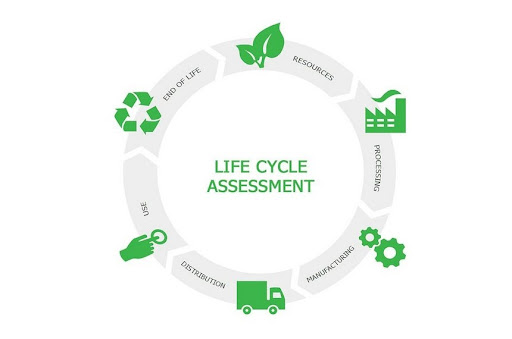
Life Cycle Assessment is a method used to evaluate the environmental impacts of products, services, and processes throughout their entire life cycle. It considers factors such as material usage, energy consumption, greenhouse gas emissions, water pollution, and waste production, as well as human health effects and resource depletion.
History of Life Cycle Assessment
The concept of LCA has been around since the 1970s, when it was first introduced as a tool for evaluating the environmental impacts of products. Since then, the methodology has evolved to include new factors and methods, such as the use of life cycle inventory (LCI) and life cycle impact assessment (LCIA).
Practical Applications of Life Cycle Assessment
LCA is not just limited to product evaluation; it can also be used to assess the environmental impacts of services, including waste management. In fact, LCA has been widely adopted in various industries, including waste management, as a tool for decision-making and policy development.
Targeted Products: What are We Measuring?
In our work at the Department of Hydraulic Engineering, Environmental Science, Infrastructure Planning, and Surveying (DIIAR), we primarily apply LCA to evaluate integrated waste management systems. These systems include processes such as recycling of packaging materials, thermal treatment of solid waste, and anaerobic digestion of organic waste. We measure factors such as material usage, energy consumption, greenhouse gas emissions, and waste production.
Environmental Impacts: How Are They Valued?
Using established methods from the literature, we translate inventory data into environmental impact scores. These scores assess factors such as global warming potential, acidification, ozone formation, human toxicity, and resource depletion.
Utilizing LCA Results for Local Authorities and Companies
LCA can be used to identify critical life cycle stages that have a significant environmental impact. By analyzing these stages, we can provide recommendations for improvement. For example, when applied to waste management, LCA can help local authorities and companies develop more effective strategies for reducing waste and promoting sustainable practices.
The GERLA Project: A Case Study
In the GERLA project, commissioned by Regione Lombardia (Lombardy Region), we applied LCA to evaluate the environmental performance of the current waste management system in Lombardy. We developed scenarios for 2020, which were then analyzed using LCA methods. The results showed that the current system has good energy and environmental performance, but there is still room for improvement.
Positive Aspects and Opportunities for Improvement
The GERLA study highlighted several positive aspects of the current waste management system in Lombardy. However, it also identified areas for improvement, including increasing the rate of separate collection and implementing technology-driven solutions for organic waste treatment and residual waste management.
Conclusion
Life Cycle Assessment is a powerful tool for evaluating the environmental impacts of products, services, and processes throughout their entire life cycle. By applying LCA to various industries, including waste management, we can make more informed decisions about sustainable practices and develop more effective strategies for reducing waste and promoting sustainability.
Frequently Asked Questions (FAQs)
- What is Life Cycle Assessment?
Life Cycle Assessment (LCA) is a method used to evaluate the environmental impacts of products, services, and processes throughout their entire life cycle.
- When was LCA first introduced?
The concept of LCA has been around since the 1970s.
- What types of products are subject to LCA analysis?
LCA can be applied to various products, including waste management systems, packaging materials, and energy production processes.
- How is environmental impact assessed in LCA?
Environmental impact is assessed using established methods from the literature, such as life cycle inventory (LCI) and life cycle impact assessment (LCIA).
- Who can benefit from LCA analysis?
LCA analysis can be beneficial for local authorities, companies, and researchers seeking to improve their environmental performance.
- What are some common applications of LCA?
Common applications of LCA include waste management, packaging design, energy production, and product development.
- How can I access LCA results?
LCA results can be accessed through various online databases and research papers.
- Can LCA analysis help reduce waste?
Yes, LCA analysis can help identify areas for improvement in waste management systems and provide recommendations for reducing waste and promoting sustainability.
The Benefits of Life Cycle Assessment
LCA offers several benefits to individuals, companies, and policymakers:
- Improved decision-making: LCA provides a comprehensive understanding of the environmental impacts associated with products, services, and processes, enabling informed decisions about sustainable practices.
- Reduced environmental impacts: By identifying areas for improvement and implementing strategies to reduce waste and promote sustainability, LCA can contribute to minimizing environmental harm.
- Increased transparency: LCA promotes transparency by providing a clear understanding of the environmental impacts associated with products, services, and processes.
- Enhanced collaboration: LCA encourages collaboration among stakeholders, including policymakers, companies, and researchers, to develop more effective strategies for reducing waste and promoting sustainability.
Challenges and Limitations
While LCA has many benefits, there are also challenges and limitations:
- Data quality: The accuracy of LCA results depends on the quality of inventory data.
- Methodological limitations: Different methods may lead to varying levels of environmental impact scores.
- Cultural and economic factors: Cultural and economic factors can influence consumer behavior and waste generation patterns.
- Policy support: Policy frameworks that support sustainable practices are essential for implementing LCA results.
Best Practices for Implementing Life Cycle Assessment
To maximize the benefits of LCA:
- Develop clear objectives: Establish well-defined objectives for LCA studies to ensure they meet stakeholder needs.
- Conduct thorough inventory analysis: Ensure accurate and comprehensive inventory data collection to support reliable environmental impact scores.
- Use established methods: Adhere to recognized methods, such as ISO 14047 or the Life Cycle Initiative (LCI) methodology, to ensure consistent results.
- Communicate findings effectively: Present LCA results in an understandable and actionable format to facilitate informed decision-making.
Conclusion
Life Cycle Assessment is a valuable tool for evaluating the environmental impacts of products, services, and processes throughout their entire life cycle. By applying LCA to various industries, including waste management, we can make more informed decisions about sustainable practices and develop more effective strategies for reducing waste and promoting sustainability.
As we continue to face the challenges of climate change and resource depletion, the importance of LCA cannot be overstated. By working together to implement LCA best practices, we can create a more sustainable future for generations to come.


