
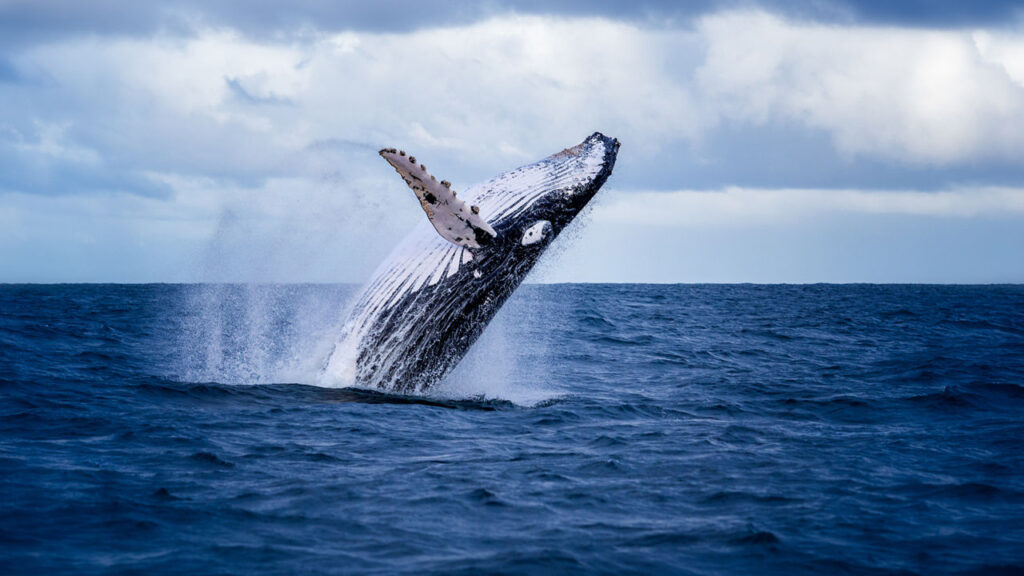
Tucked away in the depths of our oceans, there exist creatures that defy conventional wisdom when it comes to speed. The mighty whales, specifically the migratory species known as veloci balene (speedy whales), are a fascinating example of nature’s grandeur. In this article, we will delve into the world of these incredible animals, exploring their dimensions, habitats, characteristics, diets, behaviors, and more.
Dimensions of the Megaptera novaeangliae
To imagine these massive creatures gliding through the water, let us first consider their size. The Megaptera novaeangliae, also known as the humpback whale, is a behemoth of the sea, reaching lengths of up to 17 meters (56 feet) and weighing between 34 and 45 tons. This enormous size belies their impressive speed, which we will discuss later.
Habitat of the Megaptera novaeangliae
These whales are cosmopolitan, meaning they can be found in all major oceans, from the polar waters to the tropical seas. They migrate seasonally, following the seasons to find food and suitable breeding grounds. In the summer months, they congregate in the polar regions, where they feed on krill and small crustaceans. As winter approaches, they move towards warmer waters near the equator, where they mate and give birth.
Characteristics of the Megaptera novaeangliae
One of the most distinctive features of the humpback whale is its unique body shape. Its grayish-blue coloration allows it to blend in with the ocean’s depths, while its pinn-shaped flippers and small forehead (called a melon) set it apart from other whales. The presence of these distinctive characteristics makes the Megaptera novaeangliae easily recognizable.
Another remarkable feature is its throat, which contains over 12 longitudinal folds. These folds enable the whale to expand its mouth, allowing it to consume large amounts of food at once. Additionally, the whale’s lower jaw features small nodules, similar to cat whiskers, which aid in navigation and echolocation.
Respiratory System of the Megaptera novaeangliae
One of the most fascinating aspects of the humpback whale is its unique respiratory system. It uses two blowholes (sphincters) that can force water out of its body at incredible speeds, reaching heights of up to 3 meters (10 feet). This remarkable ability allows it to stay submerged for extended periods, even with its eyes open.
Diet of the Megaptera novaeangliae
Despite their massive size, humpback whales are voracious eaters. They consume an estimated one ton of food daily, primarily consisting of small fish, krill, and crustaceans. Their diet is essential for maintaining a healthy fat reserve, which enables them to survive during the winter months when food is scarce.
Dietary Habits of the Megaptera novaeangliae
Humpback whales employ various hunting techniques to capture their prey. One method involves creating foam on the surface, allowing it to disorient the fish and drive them towards the surface. Another technique involves producing bubbles, which helps to attract fish and other prey. When a school of fish is present, the whale can simply dive beneath and ingest the entire school in one swift motion.
Behavior of the Megaptera novaeangliae
These whales are social creatures that migrate in large groups, often traveling thousands of miles each year. They communicate with each other using a range of clicks, whistles, and body language, including breaching (jumping) and lobtailing (slapping their tails on the water’s surface).
Behavioral Traits of the Megaptera novaeangliae
Humpback whales have been observed exhibiting aggressive behavior towards other whales that are not part of their social group. They also display complex courtship behaviors, including intricate vocalizations and visual displays.
Conservation Status of the Megaptera novaeangliae
The Megaptera novaeangliae is listed as Least Concern on the IUCN Red List, but its population is declining in some areas due to habitat degradation, entanglement in fishing nets, and ship strikes. It is essential that we continue to monitor their populations and take measures to protect them from human activities.
Interesting Facts about Megaptera novaeangliae
- Humpback whales can live up to 80 years: This makes them one of the longest-living mammals on Earth.
- They have a unique way of eating krill: By forming tight circles around the krill, they create a vacuum that pulls the krill towards their mouths.
- Megaptera novaeangliae can hold their breath for up to 30 minutes: This allows them to dive deep into the water and hunt in areas with limited sunlight.
- They are known for their acrobatic displays: Breaching, lobtailing, and slapping their tails on the surface of the water are just a few examples of their impressive displays.
Conclusion
The Megaptera novaeangliae is a remarkable creature, worthy of our admiration and respect. Through its unique characteristics, dietary habits, and social behaviors, this whale has adapted to thrive in the harsh marine environment. As we continue to learn more about these incredible animals, we are reminded of the importance of preserving their habitats and ensuring the long-term sustainability of our planet’s oceans.
FAQs
- How fast can Megaptera novaeangliae swim?
These whales can reach speeds of up to 30 kilometers per hour (19 miles per hour), making them one of the fastest swimming mammals on the planet. - What is the average lifespan of a Megaptera novaeangliae?
The average lifespan of these whales is estimated to be around 60-70 years, although some individuals have been known to live up to 80 years in the wild. - Where can I find Megaptera novaeangliae?
These whales can be found in all major oceans, from polar waters to tropical seas. They migrate seasonally to find food and suitable breeding grounds. - What do Megaptera novaeangliae eat?
Their diet consists mainly of small fish, krill, and crustaceans, which they consume through a variety of hunting techniques. - How do Megaptera novaeangliae communicate?
They use a range of clicks, whistles, and body language to communicate with each other, including breaching and lobtailing. - Are Megaptera novaeangliae social creatures?
Yes, they are highly social animals that migrate in large groups and engage in complex courtship behaviors. -
Can I see Megaptera novaeangliae in the wild?
Yes, these whales can be seen on guided tours or through whale watching expeditions, but it’s essential to do so responsibly and sustainably. -
How can I help protect Megaptera novaeangliae habitats?
By supporting organizations that promote marine conservation and sustainability, reducing our carbon footprint, and promoting eco-friendly practices, we can all contribute to the protection of these incredible creatures and their habitats.
- What are some common threats to Megaptera novaeangliae populations?
Entanglement in fishing nets, ship strikes, and habitat degradation are some of the main threats facing these whales. - How can I get involved in conservation efforts for Megaptera novaeangliae?
There are many ways to contribute to the protection of humpback whales, from volunteering with local conservation groups to supporting organizations that work to protect their habitats.


