
Are you thinking of disposing of your solar panels? As a homeowner or business owner, it’s essential to understand the process of disassembling and recycling your solar panels. In this article, we’ll explore the cost, regulations, and steps involved in disposing of solar panels.
The Benefits of Recycling Solar Panels
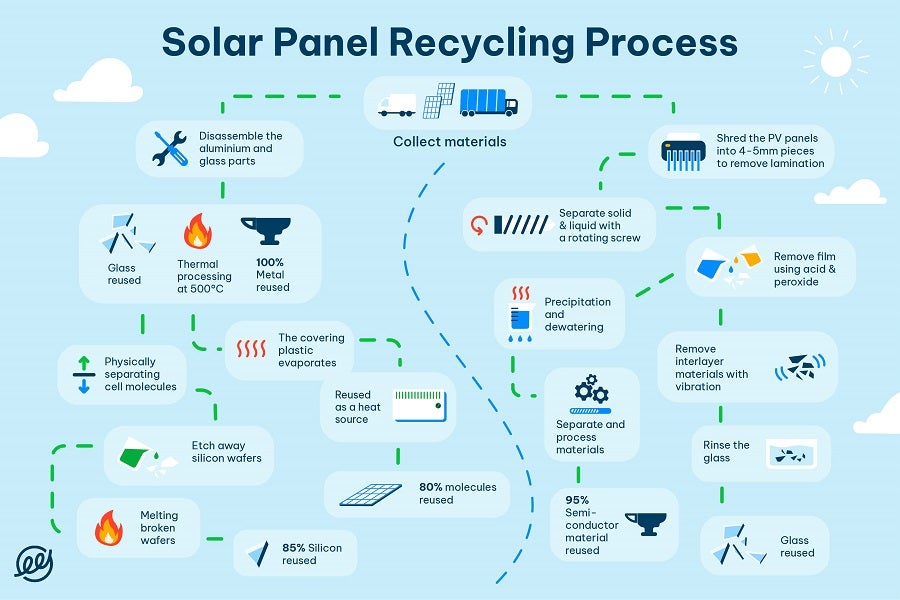
Solar panels are made up of various materials, including glass, plastic, aluminum, silicon, and silver. When properly disposed of, these materials can be recycled to minimize waste and reduce environmental harm. In fact, recycling solar panels is an excellent way to recover valuable materials that would otherwise end up in landfills.
What Happens to the Materials After Disposal?
When you dispose of a solar panel, various materials are recovered and processed for recycling:
• Glass: Recycled glass can be used as aggregate material in construction or recycled into new glass products.
• Plastic: Recycled plastic can be converted into new plastics, such as playground equipment or packaging materials.
• Aluminum: Recycled aluminum is used to produce new aluminum products, like aircraft parts or bicycles.
• Silicon: Recycled silicon can be used to manufacture new solar panels or other electronic components.
• Silver: Recycled silver is used in various industries, including electronics and jewelry.
Regulations and Laws
In Italy, the law regulating the disposal of solar panels is the D.lgs 151/2005. This law associates solar panels with common household appliances (RAEE) and requires producers to guarantee proper disposal. The categories of RAEE for photovoltaic systems vary based on the system’s power.
Disposing of Solar Panels: A Step-by-Step Guide
Here are the steps involved in disposing of solar panels:
- Identify the Category: Determine whether your solar panel system falls under one of the following categories:
- RAEE (residential) with a power capacity below 10 kWp
- Non-RAEE photovoltaic systems installed before April 12, 2014
- Non-RAEE photovoltaic systems installed after April 12, 2014
- Contact the Producer: Reach out to the original producer of your solar panels for assistance with disposal.
- Choose a Recycling Method: Depending on your system’s category, you can choose from:
- Free recycling for RAEE (residential) systems below 10 kWp
- Paid recycling for non-RAEE photovoltaic systems installed before April 12, 2014
- Paid recycling for non-RAEE photovoltaic systems installed after April 12, 2014
- Arrange for Transportation: Schedule a pickup or arrange for transportation to a designated collection center.
- Provide Documentation: Ensure that all necessary documentation is provided to support the recycling process.
Additional Incentives and Exemptions
Some incentives and exemptions apply depending on your system’s category:
- Incentive I, II, III Conto Energia: For systems incentivized with this program, a guaranteed payment can be made by the GSE (Italian Renewable Energy Authority) after 6 months for proper disposal.
- Consorzi: For systems installed after July 1, 2012, exemptions apply due to specific consortia managing the waste.
Frequently Asked Questions
Here are some answers to common questions about disposing of solar panels:
Q: Who is responsible for disposing of my solar panels?
A: The producer or installer of your solar panel system may be responsible for proper disposal.
Q: What happens to the materials after they’re disposed of?
A: Recycled materials can be reused, reduced waste, and minimize environmental harm.
Q: Can I recycle my old solar panels myself?
A: It is recommended to contact the original producer or installer for assistance with disposing of your solar panels.
Q: Are there any additional costs involved in recycling solar panels?
A: Depending on your system’s category, you may be required to pay for transportation and disposal services.
Q: What incentives are available for proper disposal?
A: For systems incentivized with Conto Energia programs, a guaranteed payment can be made by the GSE after 6 months for proper disposal.
Q: Are there any exemptions from disassembly requirements?
A: Yes, some systems installed after July 1, 2012, may be exempt due to specific consortia managing waste.
Additional Regulations and Considerations
In addition to the regulations mentioned earlier, it’s essential to consider the following:
- Environmental Impact: Recycling solar panels can help reduce greenhouse gas emissions and minimize environmental harm.
- Economic Benefits: Recycling solar panels can also provide economic benefits by reducing costs associated with material extraction and processing.
- Public Awareness: Educating the public about the importance of proper solar panel disposal is crucial for promoting sustainability and environmental responsibility.
Industry Developments and Trends
The industry has been working to develop more efficient and cost-effective recycling methods for solar panels. Some notable developments include:
- Closed-Loop Recycling: Closed-loop recycling involves the continuous recycling of materials without the need for virgin raw materials.
- Advanced Technologies: Advanced technologies, such as artificial intelligence and machine learning, are being used to improve recycling efficiency and reduce costs.
Case Studies and Best Practices
Here are some case studies and best practices for disposing of solar panels:
- Case Study 1: Italy’s Solar Panel Recycling Program
In Italy, the government has implemented a nationwide program to recycle solar panels. The program provides incentives for producers and installers to ensure proper disposal. - Best Practice: Partnering with Recycling Companies
Partnering with recycling companies can help ensure that your solar panels are disposed of responsibly and efficiently.
Conclusion
Disposing of solar panels requires careful consideration of regulations, laws, and industry developments. By understanding the process of disassembling and recycling solar panels, homeowners and business owners can make an informed decision about how to properly dispose of their systems. Additionally, promoting public awareness and education on the importance of proper solar panel disposal is crucial for fostering a culture of sustainability and environmental responsibility.
Recommendations
Here are some recommendations for disposing of solar panels:
- Ensure Proper Disposal: Contact the original producer or installer for assistance with disposing of your solar panels.
- Choose an Efficient Recycling Method: Choose a recycling method that minimizes waste and reduces costs.
- Stay Informed: Stay informed about industry developments, regulations, and best practices for disposing of solar panels.
By following these recommendations and guidelines, you can ensure that your solar panels are disposed of responsibly and efficiently, while also contributing to a more sustainable future.


