
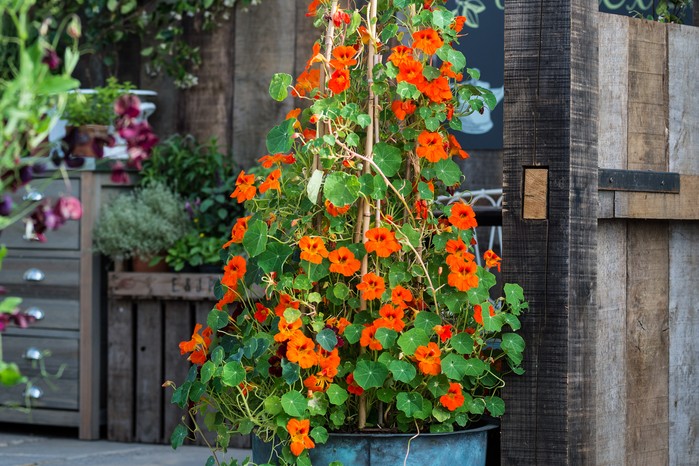
Here’s an expanded version of the article:
The Tiny, Climbing Nasturzio: A Complete Guide to Its Flowers, Seeds, and Cultivation
Introduction
In this article, we will delve into the world of the tiny, climbing nasturzio (Tropaeolum), a plant native to Peru that has gained popularity in Europe through Spain. Also known as Tropaeolum, its name originates from the Greek word “tropaion,” meaning “trophy” or “pole” where elms and swords of defeated enemies were tied. In English, it’s commonly referred to as “Yellow Larkes Spurr” or “Speronella gialla.”
Flowers of the Nasturzio Rampicante
The nasturzio rampicante boasts delicate, fragrant flowers that are not only aesthetically pleasing but also enjoy a subtle perfume, especially when their leaves are crushed with your hands. The scent is neither overly sweet nor unpleasantly pungent. Honeybees and other pollinators appreciate these blossoms, as do wedding party members who often incorporate nasturzio into bouquets.
What was initially limited to a few color options has expanded dramatically due to the efforts of breeders. You can now find an array of tones to adorn your gardens and balconies with style: consider the ‘Emperor of India’ for its deep, rich red hue, or the ‘Apricot Gleam’ for its soft, golden-orange appearance.
Some popular varieties include:
- Mahogany Jewel: a warm, earthy tone reminiscent of mahogany wood
- Primrose Jewel and Whirlybird Cream: creamy shades that evoke the color of primrose flowers or white whipped cream
While the Emperor of India is particularly favored by those who dislike orange and yellow with character, other less common varieties like Whirlybird Cherry (a soft pink) and Black Velvet (a dark, almost grayish purple) are also available.
Sowing and Cultivating Nasturzio Rampicante
This versatile plant is not only visually appealing but also easy to care for. It’s often recommended as an introduction to gardening for those who feel uncertain or lack confidence in their abilities, as it ensures success almost guaranteed. Be cautious not to overuse it for decorative purposes, as this can lead to invasion when used extensively.
Nasturzio rampicante is classified among perennial annuals and can thrive in cold climates due to its robustness. Initial placement is crucial, particularly if the plant is near a body of water, but it adapts well to any environment, including hot and dry conditions. However, proximity to other plants may affect soil quality.
When choosing a location, provide dappled shade rather than direct sunlight, which can be overwhelming for this plant.
Nasturzio Rampicante in Pots
Among all Nasturzio varieties, the nano rampicante is most commonly grown in pots. Look out for types like ‘Tom Thumb,’ known as ‘Tip Top’ in France, or those featuring multicolored leaves, such as ‘Alaska’ and ‘Jewel of Africa.’
Caring for Nasturzio Rampicante
To ensure the plant thrives when kept in pots:
- Frequent watering is necessary to keep soil consistently moist.
- If grown outdoors in full sun for extended periods, regular watering may be required.
The Nasturzio nano rampicante‘s climbing nature necessitates additional support. Unlike true climbing plants with tendrils or thorns, this plant uses a gentle but determined approach to wrap itself around supports or structures provided by humans.
Providing adequate support allows the nasturzio rampicante to grow up walls, fences, or other objects for up to two meters in height. Determined varieties paired with optimal conditions can make this plant an ideal choice for decorating your garden or yard.
Using Nasturzio in Recipes
While most people associate nasturzio with its colorful flowers, the plant’s leaves and seeds are also edible. In cooking, the leafy green part is often used as a peppery garnish or added to salads for extra flavor.
Some recipes include:
- Salads with nasturzio
- Nasturzio-infused oil
You can find nasturzio seeds on Amazon, where they are available in packets starting at under $5. Soak the seeds overnight and plant them about 2-3 cm apart, depending on your pot size.
Propagation of Nasturzio
To reproduce this beautiful plant species, you can use several methods:
- Seed propagation: Plant seeds about 2-3 cm apart in well-draining soil. Keep the soil consistently moist until germination occurs.
- Cutting propagation: Cut off a healthy stem from the mother plant and root it in water or soil. This method can be more challenging but yields results quickly.
Common Problems with Nasturzio
While nasturzio rampicante is generally easy to care for, there are some common problems that may arise:
- Pests: Common pests include aphids, whiteflies, and spider mites. Use organic pest control methods whenever possible.
- Overwatering: Check soil moisture regularly and water only when necessary. Avoid getting water on the plant’s crown to prevent rot.
Tips for a Healthy Nasturzio Rampicante
To keep your nasturzio rampicante happy and healthy, follow these tips:
- Provide adequate sunlight and water for optimal growth.
- Use well-draining soil with plenty of nutrients.
- Prune regularly to maintain shape and promote healthy growth.
Conclusion
The tiny, climbing nasturzio has become a staple in many gardens due to its beauty and ease of care. Whether you choose to cultivate it in pots or directly in the ground, this versatile plant can add color and fragrance to any space.
From the delicate blooms with subtle scents to the various hues available for decorating your garden, there’s much to explore with this unique plant species.
Keep in mind that different varieties have distinct characteristics, such as Whirlybird Cherry (a soft pink) and Black Velvet (a dark purple), which can add variety to your gardening projects.
Frequently Asked Questions
-
How do I care for a nasturzio rampicante plant?
- Provide the right amount of sunlight and water for optimal growth.
- Use well-draining soil with plenty of nutrients.
- Prune regularly to maintain shape and promote healthy growth.
-
Can I grow nasturzio in a pot or should it be planted directly in the ground?
- Both options are viable, depending on your personal preference and available space.
-
How do I propagate a nasturzio rampicante plant?
- Plant seeds about 2-3 cm apart in well-draining soil.
- Keep the soil consistently moist until germination occurs.
-
What are some common pests that affect nasturzio plants?
- Common pests include aphids, whiteflies, and spider mites.
-
Can I use nasturzio leaves in cooking?
- Yes, the leafy green part of the plant is edible and can be used as a peppery garnish or added to salads for extra flavor.
-
How do I prevent overwatering of my nasturzio rampicante?
- Check soil moisture regularly and water only when necessary. Avoid getting water on the plant’s crown to prevent rot.
-
What are some tips for a healthy nasturzio rampicante?
- Provide adequate sunlight and water for optimal growth.
- Use well-draining soil with plenty of nutrients.
- Prune regularly to maintain shape and promote healthy growth.
By following these guidelines, you can enjoy the beauty and fragrance of your own nasturzio rampicante. Happy gardening!


