
Introduction
In the world of science, the prugnolo fungus is known as Calocybe gambosa, but it’s more commonly referred to as the fungus of Saint George. This legend tells us that this fungus begins to grow on April 23rd, the day of Saint George. The scientific name derived from Latin, “gambosus,” meaning “with a big stalk,” which refers to its robust and large stalk. It also goes by other names like Spinarolo and Fungo della saetta due to its zig-zag growth pattern.
The legend surrounding this fungus is deeply rooted in Italian culture, where it’s believed that the day of Saint George marks the beginning of spring, and with it, the emergence of the prugnolo fungus. This phenomenon has been observed for centuries, and many Italians look forward to seeing the first appearance of the prugnolo on April 23rd.
Properties of Prugnolo
The prugnolo fungus is not just limited to being used in risotto; it’s also utilized extensively in herbalism and medicine, aside from being a food ingredient. Its most appreciated properties are diuretic, purgative, and laxative. The fruits of the tree under which it grows, called Prugnolo, contain antioxidants that make it interesting from this perspective as well.
The fungus is also used for skin care, alongside treating general health issues that worsen with age. It’s beneficial for cardiovascular and intestinal systems, making it useful as a restorative agent, providing energy, and producing a sense of overall well-being when consumed. This is why we find prugnolo-based natural supplements in the market.
Its antibacterial and astringent properties are particularly appreciated by those suffering from diarrhea but are also useful for nasal bleeding or oral infections. In terms of skin benefits, it helps with acne issues, minor cuts and bruises, and even prevents or reduces stretch marks, especially beneficial for pregnant women who can use prugnolo oil to prevent wrinkle formation.
Habitat of Prugnolo
Calocybe gambosa appears in the spring; although not precisely on April 23rd, as this depends on climate and location. Its general habitat is found where there’s an alternation between grasslands and forests, but it can also be seen among thorny bushes like Biancospino, Rosaceae, or Prugnolo trees that give it its name.
In the early months of May, the fungus remains in the fields at the border with woods or forests, sometimes alone, sometimes in groups called “fungaie.” It’s an early riser but is rare to find by autumn.
Characteristics of Prugnolo
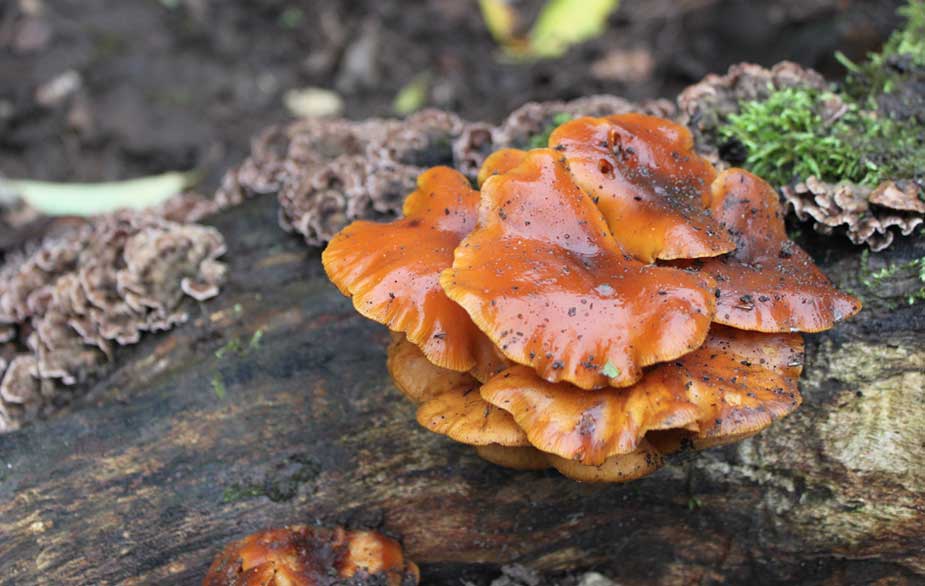
The cap of this fungus can reach up to a dozen centimeters in diameter. In its first days, it remains cream-colored and becomes darker as it grows. The lamellae are very tightly packed and share the same color tone as the cap while the stalk stays more pale but tends towards brown or almost white with slight tints that give it a “stained” appearance. At touch, it’s solid, full of substance, robust, and pleasant to the taste.
The Prugnolo Tree
We’ve been discussing only the fungus so far, mentioning its relationship to the tree but primarily focusing on it. The properties of the fruit have already been discussed, but let’s focus now on the leaves as well, which in infusion form are an excellent remedy for colds and sore throats.
The flowers of the Prugnolo tree are also beneficial; when macerated, they make a good remedy against constipation or retention of fluid. Generally, tea made from Prugnolo has an antispasmodic effect on the intestines and is recommended for those suffering from irritable bowel syndrome.
Prugnolo Liquor
Beyond teas, marmellades, syrups, and dietary supplements made from prugnolo are also available. The taste isn’t too sweet but is pleasant; never bitter. It’s a nice beverage that keeps the benefits of its fruit intact.
In some parts of Italy, particularly in Tuscany and Lazio, you can find local producers who specialize in making prugnolo liquor from scratch. These products are often infused with herbs and spices to enhance their flavor and medicinal properties.
Funghi Prugnoli: Recipes
In Italy from North to South, there are both enthusiastic foragers and skilled cooks who know how to incorporate this fungus into their dishes. Often it takes center stage in local fairs, especially in Tuscany and Lazio, where one can sample traditional recipes featuring the fungus as the main ingredient.
Some popular prugnolo-based recipes include:
- Risotto alla Prugnola: A classic Italian dish made with sautéed onions, garlic, and mushrooms, served with a side of steaming risotto and finished with grated Parmesan cheese.
- Fungo della Saetta: A traditional Tuscan recipe that pairs the prugnolo fungus with potatoes, celery, and garlic, all cooked together in a hearty stew.
- Prugnolo e Salsa: A simple yet flavorful dish made by sautéing sliced onions and garlic, then adding the prugnolo fungus and serving it over toasted bread.
Medicinal Properties of Prugnolo
The prugnolo fungus has been used for centuries in traditional medicine to treat a variety of ailments. Its diuretic properties make it an effective remedy for urinary tract infections, while its purgative effects can help alleviate constipation and other digestive issues.
In addition, the fungus is believed to have anti-inflammatory properties, making it useful for treating joint pain and swelling. Some herbalists also recommend prugnolo as a natural remedy for anxiety and stress relief, citing its restorative effects on the body and mind.
Conclusion
If you enjoyed this article, please continue following me on Twitter, Facebook, Google+, Instagram
FAQs
-
What are the main properties of the Prugnolo fungus?
The Prugnolo fungus has diuretic, purgative, and laxative properties. -
Is Prugnolo good for cardiovascular health?
Yes, it is beneficial for heart health due to its purgative effects which help in detoxifying the system. -
Can I use Prugnolo as a natural remedy against diarrhea?
Yes, it’s effective in treating diarrhea and other gastrointestinal issues. -
What are the potential skin benefits of using Prugnolo?
It helps with acne issues, minor cuts and bruises, and prevents or reduces stretch marks, especially beneficial for pregnant women. -
How does Prugnolo benefit energy levels and stress relief?
Prugnolo is a restorative agent providing energy, which also makes it useful in combating stress. -
What’s the habitat of Calocybe gambosa?
It’s typically found in areas with an alternation between grasslands and forests or near thorny bushes like Biancospino, Rosaceae, or Prugnolo trees. -
How does one prepare prugnolo for consumption?
Prugnolo can be prepared fresh or dry; you can also use succhi and confetture that aid digestion. -
Can I make my own Prugnolo syrup at home?
Yes, but it might require some effort to prepare; however, there are prugnolo syrups available online for easy consumption.


