
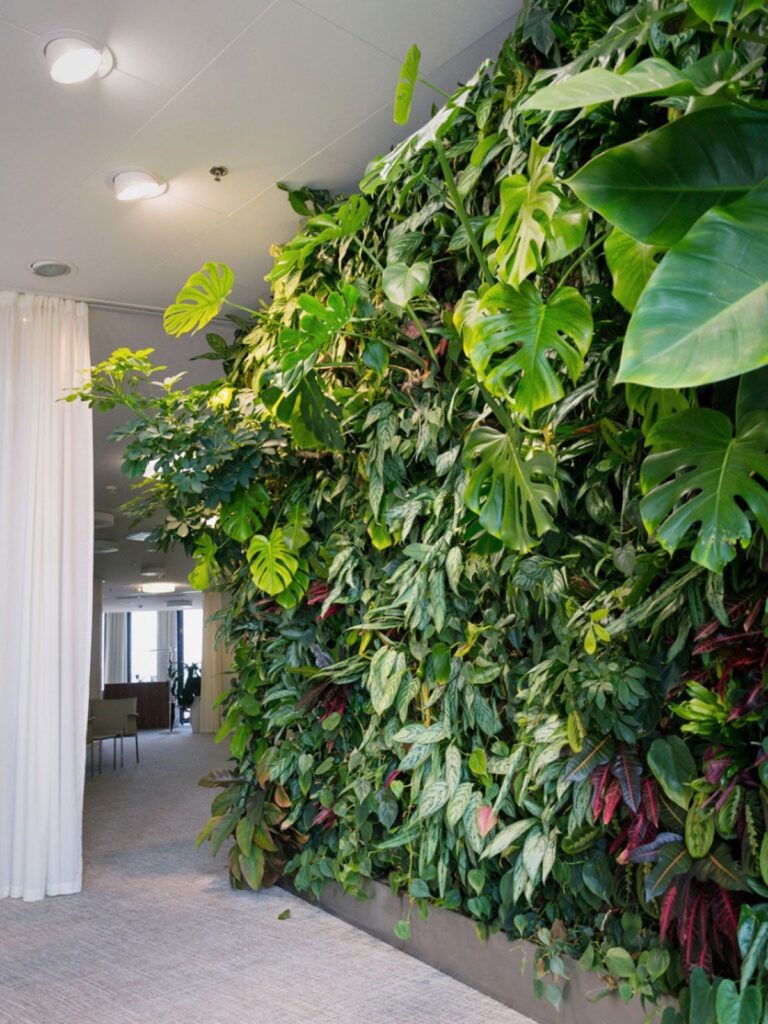
As we continue to urbanize and live in smaller spaces, the concept of vertical gardening has become increasingly popular. This innovative approach to gardening allows us to make the most of our limited space while still enjoying the benefits of greenery. In this article, we’ll explore the world of vertical gardening, including the different types of plants that can thrive on walls, how to choose the right plants for your space, and some expert tips for creating a stunning vertical garden.
What is Vertical Gardening?
Vertical gardening involves planting vegetation directly onto walls or other surfaces. This technique allows us to grow plants in areas where traditional gardening might not be possible, such as small balconies, patios, or even indoor spaces. By using specialized containers and supports, we can create a lush, verdant environment that adds beauty and functionality to our surroundings.
Benefits of Vertical Gardening
So why should you consider vertical gardening? Here are just a few benefits:
- Space-saving: Vertical gardens make the most of limited space, allowing you to grow more plants in a smaller area.
- Energy-efficient: By using trellises or other supports, you can reduce the amount of energy needed to power irrigation systems and lighting.
- Aesthetic appeal: Vertical gardens add visual interest to your space, creating a unique and beautiful display of greenery.
Choosing the Right Plants
Not all plants are created equal when it comes to vertical gardening. Some species are better suited for this type of environment than others. Here are some popular options:
- Herbs: Basil, mint, rosemary, and thyme are all excellent choices for vertical gardens.
- Flowers: Petunias, begonias, and impatiens thrive in vertical gardens and add color to your space.
- Greens: Lettuce, kale, and spinach grow well on walls and provide a fresh source of greens.
Types of Vertical Gardens
There are several types of vertical gardens you can create, depending on your needs and preferences. Here are some popular options:
- Living Walls: These are the most common type of vertical garden, where plants are grown directly onto a wall using specialized containers and supports.
- Hanging Baskets: These are great for small spaces and can be hung from a balcony or patio.
- Vertical Planters: These are similar to living walls but use individual planters instead of a continuous surface.
Materials Needed
Before you start your vertical garden, you’ll need some basic materials. Here’s a list of what you’ll need:
- Containers: Choose containers that fit your space and the plants you’re using.
- Soil: Use high-quality potting soil to ensure healthy plant growth.
- Fertilizer: Choose a balanced fertilizer to provide essential nutrients for your plants.
- Supports: Use trellises or other supports to help your plants grow upwards.
Tips for Creating a Stunning Vertical Garden
Here are some expert tips for creating a stunning vertical garden:
- Choose the right plants: Select species that are adapted to indoor conditions and can thrive in low-light environments.
- Use trellises or supports: Provide structure for your plants to climb on, ensuring they receive adequate light and air circulation.
- Water efficiently: Use self-watering containers or irrigation systems to minimize water waste and reduce energy consumption.
- Prune regularly: Prune your plants to maintain their shape and promote healthy growth.
Plant Care
Proper plant care is essential for a thriving vertical garden. Here are some tips:
- Watering: Water your plants when the soil feels dry to the touch, taking care not to overwater.
- Fertilization: Use a balanced fertilizer to provide essential nutrients for healthy growth.
- Pruning: Prune your plants regularly to maintain their shape and promote new growth.
Common Mistakes to Avoid
Here are some common mistakes to avoid when creating a vertical garden:
- Not choosing the right plants for your space
- Overwatering or underwatering your plants
- Not providing enough light and air circulation
- Not pruning regularly
Conclusion
Vertical gardening is a fun and rewarding way to grow your own food and add beauty to your space. By choosing the right plants, using trellises or supports, and following proper plant care tips, you can create a stunning vertical garden that thrives for years to come.
FAQs
- What are some popular types of plants for vertical gardens?
- Herbs (basil, mint, rosemary, thyme)
- Flowers (petunias, begonias, impatiens)
- Greens (lettuce, kale, spinach)
- How do I choose the right plants for my space?
- Consider your climate and light conditions.
- Select species that are adapted to indoor conditions.
- What is the best way to water my vertical garden?
- Use self-watering containers or irrigation systems to minimize water waste and reduce energy consumption.
- How do I prune my plants for a healthy, thriving vertical garden?
- Prune regularly to maintain their shape and promote new growth.
If you’re interested in learning more about vertical gardening, check out our other articles on the topic.


