
Introduction
In the world of nuts and seeds, there exist some fascinating and lesser-known varieties that hold secrets to culinary delights. One such nut is the anacard, a type of fruit produced by the Anacardium occidentale tree. Native to tropical regions, this nut has been a staple in various cuisines around the globe for centuries. In this article, we will delve into the world of anacards, exploring their properties, nutritional values, and culinary uses.
What are Anacards?
Anacards are small, oil-rich nuts that develop on the stalk of the melon apple or cagiù tree (Anacardium occidentale). These false fruits can be eaten and have a sweet pulp. However, it is essential to note that anacards are not true nuts and contain carbohydrates and starch for about 10% of their weight.
The Shell: A Toxic Hazard
One significant aspect of anacards is the toxicity present in their shells. The shell contains corrosive and irritating substances, making it crucial to always peel or remove the shell before consumption. This has led to the widespread use of anacard flour in sweet-making processes, where the starch content plays a vital role.
Nutritional Values
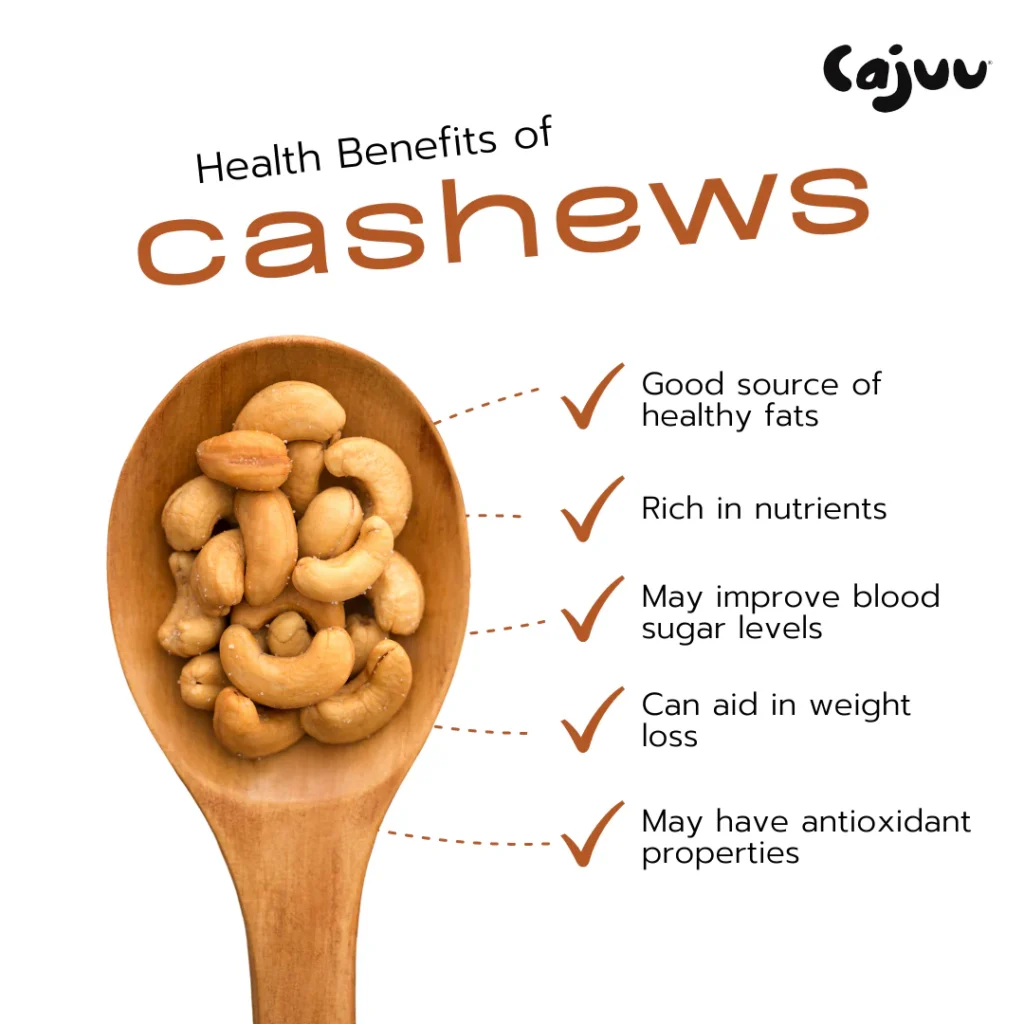
Anacards are a rich source of micronutrients, including iron, manganese, phosphorus, and magnesium. They also contain moderate amounts of Vitamin B6, Vitamin K, potassium, and zinc. The nutritional values of 100 grams of anacardi are as follows:
- Carbohydrates: 30.19 g
- Fat: 43.85 g
- Protein: 18.22 g
- Thiamine (Vitamin B1): 0.423 mg
- Riboflavin (Vitamin B2): 0.058 mg
- Niacin (Vitamin B3): 1.062 mg
- Pantothenic acid (Vitamin B5): 0.86 mg
- Vitamin B6: 0.417 mg
- Folate (Vitamin B9): 25 mcg
- Vitamin C: 0.5 mg
- Vitamin E: 0.9 mg
- Vitamin K: 34.1 mcg
- Calcium: 37 mg
- Iron: 6.68 mg
- Magnesium: 292 mg
- Manganese: 1.66 mg
- Potassium: 660 mg
- Phosphorus: 593 mg
- Sodium: 12 mg
- Zinc: 5.78 mg
Only 7.783g of Fat are Saturated
It is worth noting that only a small percentage (7.783g) of the fat in anacards are saturated, with the majority consisting of monounsaturated fatty acids (23.797g) and polyunsaturated fats (7.845g).
Anacards in Cuisine: International Recipes
Anacards have been incorporated into various cuisines around the world, particularly in Indian recipes. They are used to garnish sweets, prepare curry, or create a base sauce for different preparations. Anacard flour is widely used for making sweets and desserts, while in the Philippines, anacardi are often used to make a dessert similar to nougat.
Anacards and Derivative Products
From anacardi, several derivative products can be produced:
- Oil of Anacardi: A dark-colored oil commonly used as a condiment for salads.
- Shell Oil of Anacardi: A corrosive substance used in anti-termite treatments, fungicides, and wood treatment.
- Anacardi Milk: A type of plant-based milk widely available.
- Anacardi Juice: Can be found in some supermarkets or online stores, particularly in Brazil.
Butter of Anacardi
An alternative to peanut butter, anacardi butter is made by processing anacardi seeds. This nutty spread can be enjoyed on its own or used as a topping for various dishes.
Where to Buy Anacards?
Due to the melon apple’s thin peel and unsuitability for export, it is rare to find anacardio (melon apple) on local markets. However, visible anacardi can be easily found in well-stocked supermarkets or online. Useful links include Anacards on Amazon.
Conclusion
In conclusion, the anacard is a fascinating nut with various properties and uses around the world. From its nutritional values to culinary applications, this nut holds secrets that are waiting to be unlocked by food enthusiasts and researchers alike. Whether you’re looking to try new international recipes or explore plant-based alternatives, the anacard is definitely worth considering.
Frequently Asked Questions
- What is Anacardi?
Anacardi is a type of fruit produced by the Anacardium occidentale tree. - Is Anacardi toxic?
Yes, the shell of the anacard contains corrosive and irritating substances, making it crucial to peel or remove the shell before consumption. - What are the nutritional values of 100 grams of Anacardi?
The nutritional values include carbohydrates (30.19 g), fat (43.85 g), protein (18.22 g), thiamine (0.423 mg), and more. - Where can I buy Anacards?
Visible anacardi can be found in well-stocked supermarkets or online, although melon apples are rare to find on local markets. - What is Anacard Milk used for?
Anacardi milk is a type of plant-based milk widely available and commonly consumed. - How is Butter of Anacardi made?
Butter of anacardi is made by processing anacardi seeds, providing an alternative to peanut butter. - What are some popular international recipes using Anacards?
Anacards are used in Indian recipes, such as sweet garnishes or curry preparations, and can also be found in various desserts around the world. - Can I use Anacardi Juice in cooking?
Yes, anacardi juice can be used in various recipes, particularly in Brazilian cuisine.
Bonus Tip
If you’re interested in trying toasted anacardi, consider substituting hazelnuts with anacardi for making a homemade nougat or similar dessert.
Interesting Facts about Anacards
- The anacard tree is also known as the “monkey nut” due to its resemblance to monkey heads.
- In some parts of Asia, anacardi oil is used in traditional medicine to treat various ailments.
- Anacardi flour can be used to make a variety of baked goods, such as cakes and cookies.
Anacard Varieties
There are several varieties of anacards found around the world. Some of these include:
- Melon Apple (Anacardium occidentale): This is the most common variety of anacardi, found in tropical regions.
- Monkey Nut Anacard (Anacardium cordatum): This variety has a smaller fruit and is commonly used for oil production.
- Cagiù Tree (Anacardium caapi): This tree produces anacardi that are commonly used to make medicinal products.
Interesting Uses of Anacards
Anacards have been used in various ways around the world, including:
- Food: Anacardi is often used as a garnish for sweets and desserts.
- Medicine: Anacardi oil has been traditionally used to treat various ailments, such as skin conditions and digestive issues.
- Cosmetics: Anacardi butter is sometimes used in skincare products due to its moisturizing properties.
Growing Your Own Anacard Tree
If you’re interested in growing your own anacard tree, here are some tips:
- Climate: Anacard trees prefer a tropical climate with high temperatures and humidity.
- Soil: Anacard trees prefer well-draining soil that is rich in nutrients.
- Care: Regular watering and fertilization are necessary to keep the tree healthy.
Conclusion
In conclusion, anacards are a fascinating nut with various properties and uses around the world. Whether you’re looking to try new recipes or explore plant-based alternatives, the anacard is definitely worth considering. With its rich nutritional profile and versatile uses, it’s no wonder that this nut has been used for centuries in traditional medicine and cuisine.
References
- “Anacardiaceae”. Plant List.
- “Anacardium occidentale”. Encyclopedia Britannica.
- “Anacardi Oil”. Healthline.
Note: The information provided is based on available data and may not be comprehensive or up-to-date.


