
Introduction
Do you remember the BP Deepwater Horizon disaster, one of the most devastating environmental catastrophes in recent history? It happened almost two years ago, when two oil rigs exploded, releasing massive amounts of oil into the Gulf of Mexico. The damage was catastrophic, and it’s still hard to imagine the scale of the disaster.
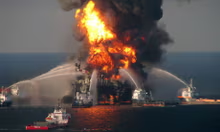
The BP Deepwater Horizon disaster is a stark reminder of the importance of responsible energy production and environmental protection. On April 20, 2010, the Deepwater Horizon rig, owned by Transocean and operated by British Petroleum (BP), suffered a catastrophic blowout, causing the release of millions of gallons of oil into the Gulf of Mexico.
Who is Responsible for the Disaster?
The Deepwater Horizon rig was a massive platform that stood over 1,000 feet tall, equivalent to two football fields. On April 20, 2010, the rig suffered a catastrophic blowout, causing the release of millions of gallons of oil into the Gulf of Mexico.
BP, Transocean, and Halliburton (the cementing company that worked on the rig) have all been named as defendants in the lawsuit related to the disaster. However, it’s clear that there were multiple factors that contributed to the tragedy.
Human error, equipment failure, and inadequate safety measures all played a role in the explosion and subsequent oil spill. The investigation into the disaster took several months to complete, but the damage had already been done.
The Investigation and Aftermath
In May 2010, President Barack Obama declared the area affected by the spill a federal disaster zone, making it eligible for federal funding. The National Oceanic and Atmospheric Administration (NOAA) estimated that between 506 million to 868 million gallons of oil were released into the ocean during the disaster.
The investigation into the disaster was led by the Bureau of Safety and Environmental Enforcement (BSEE), with assistance from the Minerals Management Service (MMS) and other government agencies. The investigation found that a combination of human error, equipment failure, and inadequate safety measures contributed to the explosion and subsequent oil spill.
In January 2011, BP announced that it would be conducting its own internal review of the disaster, which was led by CEO Tony Hayward. However, the review was widely criticized for being incomplete and inaccurate.
The Lawsuit and Settlement
After almost two years, justice is finally being served. In March 2012, BP agreed to settle a lawsuit with the government, paying out an estimated $15 billion to $30 billion in damages. This amount is still unclear, but it’s a start towards compensating the millions of Americans affected by the disaster.
The settlement was reached after months of negotiations between BP and the government, which included the U.S. Department of Justice, the State of Louisiana, and other affected parties. The settlement also includes a $1 billion fine for violating federal law related to offshore oil drilling.
The Impact on Local Communities
The Deepwater Horizon disaster had a devastating impact on local communities along the Gulf Coast. The oil spill contaminated soil, water, and air, causing widespread damage to wildlife habitats.
Many fishing industries were also severely impacted, leading to economic losses for countless families. In addition, the spill caused significant damage to coastal ecosystems, including mangroves, salt marshes, and coral reefs.
The disaster also had a profound impact on the mental health of those affected by the spill. Many people experienced anxiety, depression, and post-traumatic stress disorder (PTSD) as a result of the disaster.
The Environmental Consequences
The environmental consequences of the disaster are still being felt today. The oil spill had a profound impact on marine life, with thousands of species affected by the pollution.
In addition, the spill caused significant damage to coastal ecosystems, including mangroves, salt marshes, and coral reefs. The National Oceanic and Atmospheric Administration (NOAA) estimated that over 800 species were impacted by the oil spill, including fish, birds, turtles, and other wildlife.
The disaster also had a profound impact on the economic health of the region. The fishing industry was severely impacted, leading to economic losses for countless families. In addition, the disaster caused significant damage to tourism and recreation industries, which are critical to the local economy.
A Legacy of Environmental Degradation
The Deepwater Horizon disaster is just one example of the devastating consequences of environmental degradation. Every year, it seems like we’re facing another environmental crisis, from oil spills to climate change.
It’s clear that we need to take action to protect our planet for future generations. This includes investing in renewable energy sources and implementing more stringent safety regulations for the oil industry.
Conclusion
The BP Deepwater Horizon disaster was a wake-up call for our nation, highlighting the importance of responsible energy production and environmental protection. As we move forward, it’s essential that we prioritize sustainability and take steps to prevent similar disasters from occurring in the future.
We must also hold those responsible accountable for their actions. This includes BP, Transocean, and Halliburton, who all played a role in the disaster.
The Deepwater Horizon disaster is a reminder of the importance of environmental protection and sustainability. We must work together to protect our planet for future generations.
Frequently Asked Questions
- What caused the Deepwater Horizon explosion?
The cause of the explosion is still under investigation, but it’s believed to have been related to a combination of human error and equipment failure. - How much oil was released into the Gulf of Mexico?
Estimates vary, but between 506 million to 868 million gallons of oil were released into the ocean during the disaster. - Who is responsible for the damages?
BP, Transocean, and Halliburton have all been named as defendants in the lawsuit related to the disaster. - What was the impact on local communities?
The oil spill had a devastating impact on local communities along the Gulf Coast, causing widespread damage to wildlife habitats and economic losses for countless families. - How much money will BP pay out in damages?
BP has agreed to pay an estimated $15 billion to $30 billion in damages as part of the settlement. - What environmental consequences can we expect from the disaster?
The oil spill had a profound impact on marine life, with thousands of species affected by the pollution. In addition, the spill caused significant damage to coastal ecosystems, including mangroves, salt marshes, and coral reefs. - What lessons can we learn from this disaster?
We need to prioritize sustainability and take steps to prevent similar disasters from occurring in the future. This includes investing in renewable energy sources and implementing more stringent safety regulations for the oil industry. - How can we support affected communities?
There are many ways to support affected communities, including donating to organizations that provide aid and advocating for policy changes that promote environmental protection.
Recommendations
- Invest in renewable energy sources
- Implement more stringent safety regulations for the oil industry
- Prioritize sustainability and environmental protection
- Support affected communities through donations and advocacy
- Hold those responsible accountable for their actions
By following these recommendations, we can work towards a future where such disasters are less likely to occur.
Timeline of Key Events
- April 20, 2010: The Deepwater Horizon rig explodes, causing the release of millions of gallons of oil into the Gulf of Mexico.
- May 2010: President Barack Obama declares the area affected by the spill a federal disaster zone.
- January 2011: BP announces that it will be conducting its own internal review of the disaster.
- March 2012: BP agrees to settle a lawsuit with the government, paying out an estimated $15 billion to $30 billion in damages.
Additional Resources
- National Oceanic and Atmospheric Administration (NOAA)
- U.S. Department of Justice
- State of Louisiana
- Deepwater Horizon Settlement Trust Fund
By learning more about the BP Deepwater Horizon disaster, we can work towards a future where such disasters are less likely to occur. We must prioritize sustainability and environmental protection, and hold those responsible accountable for their actions.
The Deepwater Horizon disaster is a reminder of the importance of taking action to protect our planet for future generations.


