
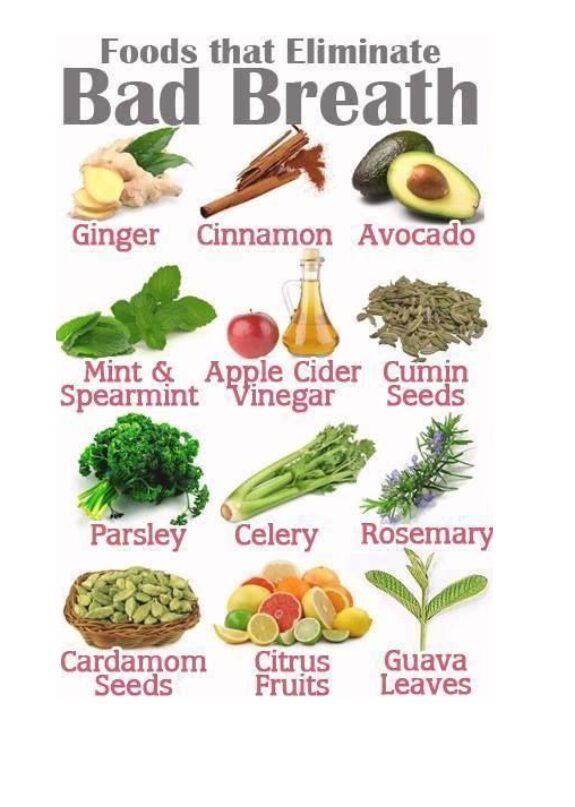
As a common problem that affects many people, bad breath can be caused by various factors, including gum disease, caries, and underlying medical conditions. While it may seem like a taboo topic, there are effective ways to combat bad breath and improve overall oral health.
What is Bad Breath?
Bad breath, also known as halitosis, refers to the unpleasant odor present in the breath of an individual. It can be caused by various factors, including gum disease, caries, and underlying medical conditions. In this article, we will explore the causes of bad breath and discuss natural remedies that can help alleviate this issue.
Causes of Bad Breath
Bad breath can be caused by a variety of factors, including:
- Gum disease and caries: These are two common causes of bad breath. Gum disease occurs when plaque builds up on the teeth and gums, causing inflammation and infection. Caries, or tooth decay, happens when bacteria in the mouth feed on sugars and starches from food, producing acid that damages the enamel on the teeth.
- Disturbances in the nasal passages, sinuses, throat, esophagus, stomach, or lungs: Bad breath can also be caused by problems with these organs. For example, sinus infections can cause bad breath, as well as diseases such as bronchitis and pneumonia.
- Certain medical conditions: Some medical conditions, such as liver insufficiency, diabetes, and gastrointestinal disorders, can lead to changes in the body that result in bad breath.
While gum disease and caries are the most common causes of bad breath, there are other underlying factors that can contribute to this issue. Understanding these causes is essential for effective treatment and prevention.
Natural Remedies for Bad Breath
Fortunately, there are several natural remedies that can help alleviate bad breath. Here are some effective options:
1. Chewing Gum with Peppermint Oil
Peppermint oil is a natural antibacterial agent that can help reduce bad breath. Chewing gum containing peppermint oil can stimulate saliva production, which helps to wash away bacteria and food particles.
- Look for chewing gum that contains at least 0.5% peppermint oil.
- Chew the gum regularly throughout the day to maintain good oral health.
- Avoid using too much sugar or artificial sweeteners in your chewing gum, as they can feed bad bacteria and make bad breath worse.
2. Aging Chewing Gum with Cloves
Cloves have natural antibacterial properties that can help combat bad breath. Masticating chewing gum containing cloves can help reduce inflammation and kill bacteria in the mouth.
- Look for chewing gum that contains at least 1% cloves.
- Chew the gum slowly and carefully, allowing the cloves to work their way into your teeth and gums.
- Be sure to store the gum properly to maintain its potency.
3. Drinking Plenty of Water
Staying hydrated is essential for maintaining good oral health. Drinking plenty of water helps to flush out bacteria and food particles from the mouth, reducing the risk of bad breath.
- Drink at least eight glasses of water per day.
- Use a water filter pitcher or bottle to reduce chlorine taste in your water.
- Avoid sugary drinks that can contribute to tooth decay and other oral health issues.
4. Minty Fresh Herbs
Herbs like peppermint, spearmint, and ginger have natural antibacterial properties that can help reduce bad breath. Adding these herbs to your meals or drinking herbal tea can be a great way to freshen your breath.
- Use dried mint leaves in teas, smoothies, or desserts.
- Mix peppermint oil with water or coconut oil for a refreshing mouthwash.
- Add ginger powder to your food for an extra kick of flavor and antibacterial properties.
5. Eating Crunchy Fruits and Vegetables
Crunchy fruits and vegetables like apples, carrots, and celery can help stimulate saliva production, which helps to wash away bacteria and food particles from the mouth.
- Choose crunchy fruits like apples and pears.
- Eat raw or steamed vegetables like broccoli and cauliflower.
- Be sure to drink plenty of water while eating these foods to keep your mouth moist and clean.
6. Saliva Supplements
Certain supplements like vitamin C, zinc, and probiotics can help boost saliva production, reducing the risk of bad breath.
- Take a daily supplement containing 1,000 mg of vitamin C.
- Use a saliva-boosting toothpaste or mouthwash.
- Drink herbal teas that promote saliva production, such as peppermint and ginger tea.
7. Flossing Daily
Flossing daily can help remove plaque and bacteria from between the teeth and under the gumline, reducing the risk of bad breath.
- Use floss pick or interdental brush to clean between your teeth.
- Floss at least once a day before brushing your teeth.
- Be gentle when cleaning between your teeth to avoid causing damage or irritation.
Almonds: A Natural Breath Freshener
Almonds are a natural breath freshener that can help reduce bad breath. Almonds contain magnesium, which has antibacterial properties that can help combat bad breath.
- Eat one ounce of almonds per day for optimal oral health benefits.
- Choose unsalted and unsweetened almonds to avoid added sugars or artificial preservatives.
- Be sure to rinse your mouth with water after eating almonds to remove any remaining bacteria or particles.
Final Conclusion
Bad breath is a common problem that affects many people. While it may seem like a taboo topic, there are effective ways to combat bad breath and improve overall oral health. By incorporating natural remedies like chewing gum with peppermint oil, aging chewing gum with cloves, drinking plenty of water, and eating crunchy fruits and vegetables into your daily routine, you can reduce the risk of bad breath and maintain good oral health.
Frequently Asked Questions (FAQs)
Q: What causes bad breath?
A: Bad breath can be caused by various factors, including gum disease, caries, and underlying medical conditions. Gum disease occurs when plaque builds up on the teeth and gums, causing inflammation and infection. Caries, or tooth decay, happens when bacteria in the mouth feed on sugars and starches from food, producing acid that damages the enamel on the teeth.
Q: How can I get rid of bad breath naturally?
A: There are several natural remedies that can help alleviate bad breath, including chewing gum with peppermint oil, aging chewing gum with cloves, drinking plenty of water, and eating crunchy fruits and vegetables. Look for products or ingredients that contain antibacterial agents like peppermint oil or cloves.
Q: Can bad breath be a sign of an underlying medical condition?
A: Yes, bad breath can be a symptom of an underlying medical condition, such as liver insufficiency, diabetes, and gastrointestinal disorders. If you have persistent bad breath despite good oral hygiene, it’s essential to consult with your healthcare provider to rule out any underlying health issues.
Q: How often should I brush my teeth to prevent bad breath?
A: Brushing your teeth at least twice a day with fluoride toothpaste and flossing daily can help prevent bad breath. Look for products that contain fluoride and gentle abrasives to avoid damaging your enamel.
Q: Can I use mouthwash to get rid of bad breath?
A: While mouthwash can help reduce bacteria and freshen breath, it is not a substitute for regular brushing and flossing. Use mouthwash as part of your oral hygiene routine, but always rinse with water after using mouthwash to remove any remaining antibacterial agents.
Q: How long does it take to notice improvements in oral health after using natural remedies for bad breath?
A: The time it takes to notice improvements in oral health after using natural remedies for bad breath varies depending on the individual. However, incorporating these remedies into your daily routine can lead to noticeable improvements over time. Be patient and consistent with your oral hygiene practices.
In conclusion, bad breath is a common issue that affects many people. By understanding its causes and incorporating natural remedies like chewing gum with peppermint oil, aging chewing gum with cloves, drinking plenty of water, and eating crunchy fruits and vegetables into your daily routine, you can reduce the risk of bad breath and maintain good oral health.


