
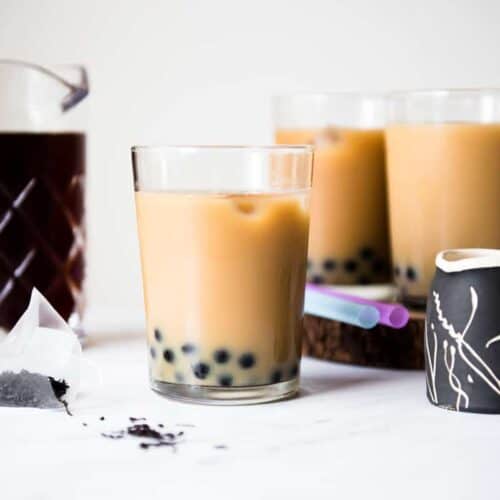
What is Bubble Tea?
Bubble tea, also known as boba tea, has taken the world by storm. This sweet and creamy drink has gained immense popularity in recent years, and its unique texture and flavor have left many curious about its origins and composition.
Originating from Taiwan in the 1980s, bubble tea is a refreshing beverage that combines tea, milk, and chewy tapioca pearls. The tapioca pearls are made from cassava root or tapioca starch and are gluten-free, making them an excellent option for those with dietary restrictions.
The Ingredients of Bubble Tea
In its basic form, bubble tea consists of three main ingredients: tea, milk, and tapioca pearls. However, there are many variations that have emerged over the years, offering a range of flavors and textures.
- Tea: The base of bubble tea is usually black tea, but other types of tea like Earl Grey, matcha, or fruit teas can also be used.
- Milk: Milk is added to give the drink its creamy texture. You can choose from various types of milk, including cow’s milk, almond milk, or coconut milk.
- Tapioca Pearls: These chewy pearls are made from cassava root or tapioca starch and are gluten-free. They come in a variety of sizes and flavors.
The Science Behind Bubble Tea
Bubble tea is not just a tasty drink; it’s also an interesting science experiment. The unique properties of tapioca pearls can be attributed to the way they absorb liquid, which creates a fun textural experience.
- Absorption: Tapioca pearls are designed to absorb liquid through osmosis, allowing them to expand and contract in response to temperature changes.
- Texture modification: When you bite into a tapioca pearl, its texture changes from crunchy to chewy. This change is due to the way starch molecules interact with water molecules.
The Cultural Significance of Bubble Tea
Bubble tea has become more than just a drink; it’s a cultural phenomenon that reflects the diversity and creativity of modern society. From its origins in Taiwan to its global popularity, bubble tea has inspired countless variations and interpretations.
- Cultural exchange: Bubble tea is often seen as a symbol of cross-cultural exchange, with each region adding its own unique twist to the original recipe.
- Community building: The communal aspect of drinking bubble tea encourages social interaction and bonding among friends and strangers alike.
Calorie Count of Bubble Tea
While bubble tea can be a tasty treat, it’s essential to keep an eye on the calorie count. A single serving of bubble tea can range from 300 to 500 calories, depending on the ingredients used.
However, there are ways to make your bubble tea healthier:
- Use less sugar: Reducing the amount of sugar in your drink can help minimize the calorie count.
- Choose a lower-calorie milk: Using almond milk or coconut milk instead of cow’s milk can reduce the calorie count.
- Add fruit: Adding fresh fruit like strawberries or blueberries can provide natural sweetness and extra nutrients.
Where to Try Bubble Tea
If you’re curious about trying bubble tea, here are some places where you can find it:
- Taiwan: Taiwan is the birthplace of bubble tea, and you can find it in many cafes and shops throughout the country.
- China: China has a large bubble tea market, with many cities having their own unique bubble tea flavors and toppings.
- United States: Bubble tea has become increasingly popular in the United States, particularly among Asian-American communities.
If you’re looking to try bubble tea at home, there are several options available online. You can purchase tapioca pearls or pre-made bubble tea mixes that include everything you need to make a delicious and refreshing drink.
Bubble Tea Toppings: A World of Flavors
One of the best things about bubble tea is that you can customize it with various toppings. Here are some popular options:
- Smarties: A classic topping, smarties add a burst of color and sweetness to your drink.
- Gummies: Fruit-flavored gummies like lychee or mango can be added on top for extra flavor and fun.
- Chocolate Shavings: Chocolate shavings can add a rich and indulgent touch to your bubble tea.
Bubble Tea Variations: A Global Phenomenon
From traditional black tea to innovative flavor combinations, bubble tea has become a global phenomenon. Here are some popular variations:
- Matcha Bubble Tea: This Japanese-inspired variation combines green tea with matcha powder for a bright green color and unique flavor.
- Yogurt-Based Bubble Tea: This variation uses yogurt as the base instead of milk, creating a creamy and tangy texture.
- Fruit-Infused Bubble Tea: Fresh fruit is infused into the tea to create a sweet and refreshing drink.
Conclusion
Bubble tea is more than just a tasty treat; it’s a cultural phenomenon that has captured the hearts of many around the world. With its unique texture, flavor, and variety of toppings, bubble tea offers something for everyone.
Whether you’re looking to try bubble tea at home or visit a local cafe, there are plenty of options available. So go ahead, give bubble tea a try, and experience the fun and deliciousness that it has to offer!
Frequently Asked Questions
- What is tapioca?
- Tapioca is a starch extracted from cassava root or tapioca starch.
- Why are bubble teas so colorful?
- Bubble teas get their vibrant colors from food dyes and natural ingredients like fruit juice.
- Can I make bubble tea at home?
- Yes, you can make bubble tea at home with pre-made mixes or by purchasing individual ingredients.
Q: What is the history of bubble tea?
A: Bubble tea originated in Taiwan in the 1980s as a variation of milk tea. It has since become a global phenomenon, with millions of people enjoying it around the world.
Q: Can I make bubble tea without tapioca pearls?
A: Yes, you can make bubble tea without tapioca pearls by using other types of chewy ingredients or omitting them altogether.
Q: What are some popular flavors of bubble tea?
A: Some popular flavors of bubble tea include earl grey, matcha, fruit teas, and yogurt-based drinks.


