
Introduction
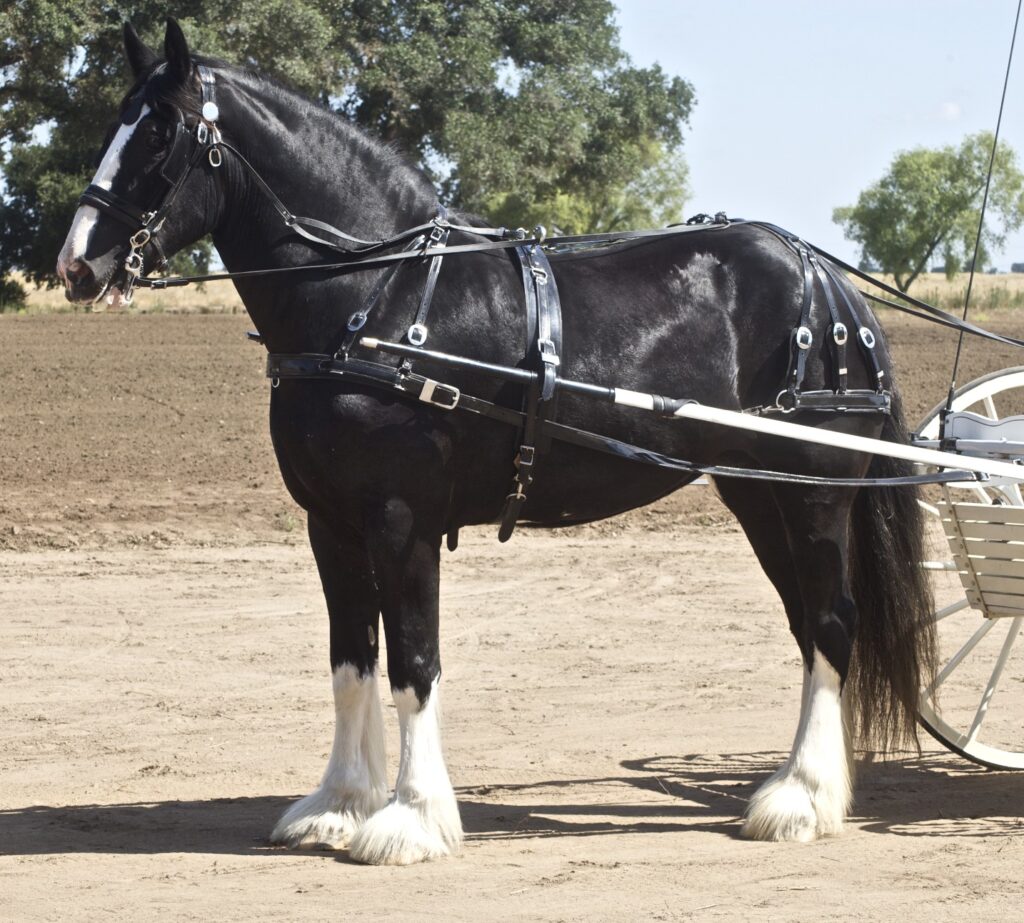
When we think of majestic horses, the Shire horse comes to mind. With its imposing stature, robust build, and gentle nature, it’s no wonder this breed has captured the hearts of many. But where did this incredible animal come from? In this article, we’ll delve into the history, characteristics, temperament, uses, prices, and care requirements of the Shire horse.
History
The Shire horse has its roots in ancient times, with references to similar breeds appearing in the works of Julius Caesar. However, it wasn’t until the 17th century that the modern Shire breed began to take shape. The introduction of Dutch, German, and Flemish stallions to England led to the development of the Old English Black horse, which eventually gave rise to the Shire.
In the 18th century, the Shire became a staple in British agriculture, used for heavy hauling and transportation. Its impressive size and strength made it an ideal choice for tasks such as plowing fields and moving heavy loads. Today, while mechanized farming has reduced the need for draft horses, the Shire remains a popular breed among horse enthusiasts.
Characteristics
So what makes the Shire horse so remarkable? Here are some of its key characteristics:
- Size: The Shire is one of the largest horse breeds in the world, with stallions reaching heights of over 173 cm (6.8 ft) and weighing between 900 kg (1,984 lb) and 1,100 kg (2,425 lb).
- Coat color: While often associated with black coats, Shire horses can also come in bay, brown, or grey.
- Head shape: The Shire has a distinctive head shape, with a long, dry muzzle and a prominent jawline.
- Eyes: Its eyes are large and expressive, with an intelligent glint that’s hard to ignore.
Despite its imposing size and strength, the Shire is known for its gentle nature. It’s an ideal breed for those who want a loyal companion or a working horse that can handle heavy loads.
Temperament
The Shire’s temperament is as remarkable as its physical appearance. This breed is:
- Resilient: With its robust build and strong constitution, the Shire is well-suited to withstand the demands of heavy work.
- Docile: Despite its size, the Shire is known for its calm demeanor, making it an excellent choice for inexperienced handlers.
- Intelligent: The Shire is highly intelligent and responds well to training.
Uses
The Shire’s versatility has led to a wide range of uses, including:
- Draft work: With its impressive strength and endurance, the Shire is still used today for heavy hauling and transportation.
- Competitions: Shire horses have competed in various equestrian events, including show jumping and driving competitions.
- Therapy work: Due to their gentle nature, Shire horses are often used in equine-assisted therapy programs.
Prices
As one of the most expensive horse breeds, the Shire comes with a hefty price tag. Prices can range from €5,000 to €30,000 (approximately $5,500-$33,000 USD) for a single stallion.
Care Requirements
To ensure your Shire horse lives a happy and healthy life, here are some essential care requirements:
- Regular exercise: Provide regular exercise, such as daily riding sessions or long walks.
- Proper nutrition: Feed a high-quality diet that meets the needs of an adult Shire horse, including plenty of hay, grains, and supplements.
- Veterinary care: Regular veterinary check-ups are essential to maintain the health and well-being of your Shire horse. This includes annual vaccinations, dental care, and hoof trimming.
Conclusion
The Shire horse is a remarkable breed that has captivated the hearts of many. With its impressive size, gentle nature, and versatility, it’s no wonder this breed has remained popular among horse enthusiasts for centuries. Whether you’re looking for a loyal companion or a working horse, the Shire is an excellent choice.
Frequently Asked Questions
- What is the average lifespan of a Shire horse?
- The average lifespan of a Shire horse is around 25-30 years.
- How much does it cost to buy a Shire horse?
- Prices for Shire horses can range from €5,000 to €30,000 (approximately $5,500-$33,000 USD) for a single stallion.
-
Can I handle my own Shire horse if I’m new to equestrian activities?
- While it’s recommended to have some experience with horses before handling a Shire, many people find the breed’s gentle nature makes it an excellent choice for beginners.
-
How often do Shire horses need veterinary care?
- Regular veterinary check-ups are essential to maintain the health and well-being of your Shire horse. This includes annual vaccinations, dental care, and hoof trimming.
-
Are there any specific needs I should be aware of when caring for a Shire horse?
- With its robust build and strong constitution, the Shire requires regular exercise and proper nutrition to maintain its health.
-
How can I find Shire horses for sale or breeding?
- You can search online for reputable breeders or look for local equine associations that specialize in Shire horses.
-
Are there any specific regulations or laws regarding the ownership of Shire horses?
- Check with your local government for any regulations or restrictions on owning draft horses like the Shire.
-
Can I train my own Shire horse?
- While it’s possible to train a Shire horse yourself, many people choose to work with experienced trainers who specialize in this breed.
-
Are there any specific health concerns associated with Shire horses?
- As with any breed, the Shire is prone to certain health issues, such as laminitis and arthritis.
-
Can I show my Shire horse competitively?
- Yes, many people compete in various equestrian events with their Shire horses, including show jumping and driving competitions.
-
How can I ensure my Shire horse stays healthy and happy throughout its life?
- Regular veterinary care, proper nutrition, and plenty of exercise are all essential to maintaining your Shire’s health and well-being.
-
Are there any specific grooming needs for Shire horses?
- Shire horses require regular grooming to prevent matting and tangling of their coats. This includes daily brushing and occasional trimming.
-
Can I use my Shire horse for transportation or work purposes?
- While the Shire is known for its strength and endurance, it’s essential to consider your horse’s age, health, and fitness level before using it for heavy work or transportation.
-
How can I find local equine associations that specialize in Shire horses?
- You can search online for local equine associations or look for listings on social media platforms like Facebook and Twitter.
-
Are there any specific costs associated with owning a Shire horse?
- In addition to the initial purchase price, you’ll need to consider ongoing expenses such as feed, veterinary care, and grooming supplies.
By understanding the history, characteristics, temperament, uses, prices, and care requirements of the Shire horse, you can make an informed decision about whether this breed is right for you. Whether you’re a seasoned equestrian or just starting out, the Shire is sure to capture your heart.


