
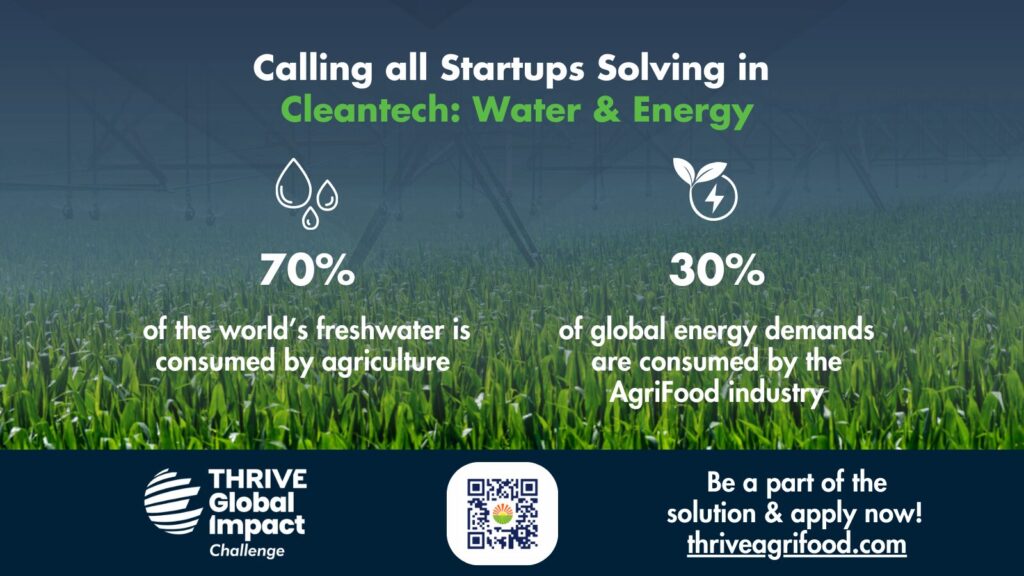
As the world shifts towards a more sustainable future, the agricultural sector is no exception. Despite initial resistance, farmers are now embracing technology to reduce their environmental footprint and increase efficiency. The synergy between agriculture and renewable energy is proving to be a winning combination, offering numerous benefits for both farmers and the environment.
The Challenges Facing Agricultural Energy Efficiency
Agriculture is a significant contributor to greenhouse gas emissions, with the sector accounting for around 10% of global emissions. To mitigate this impact, farmers must adopt sustainable practices that reduce their energy consumption. However, many are still hesitant to embrace new technologies, citing concerns about cost and feasibility.
One of the primary challenges facing agricultural energy efficiency is the high upfront cost of adopting renewable energy technologies. While the long-term benefits of reducing energy costs and carbon emissions may be significant, the initial investment can be a barrier for many farmers. Additionally, the lack of awareness and understanding of sustainable practices among farmers can also hinder the adoption of new technologies.
Renewable Energy: The Game-Changer
Renewable energy sources, such as solar and biomass power, offer a cleaner alternative to fossil fuels. By harnessing the power of the sun or organic waste, farmers can significantly reduce their energy bills and carbon footprint. Additionally, these technologies can provide a new revenue stream for farmers through the sale of excess energy back to the grid.
Solar energy is particularly well-suited for agricultural applications due to its high energy density and low maintenance requirements. Photovoltaic cells can be integrated into farm buildings, providing electricity while also serving as an insulating layer. This dual function reduces the need for additional insulation materials, saving farmers money on their energy bills.
Serres Fotovoltaiche: A Hybrid Solution
Serres fotovoltaiche are specialized greenhouses that combine solar panels with traditional greenhouse design. These innovative structures use half of their roof space for photovoltaic cells, generating electricity while also providing insulation and heating. This hybrid approach offers farmers a unique opportunity to reduce energy costs while increasing energy production.
By integrating solar panels into the greenhouse structure, serres fotovoltaiche can generate up to 50% more energy than traditional greenhouses without solar panels. This increased energy production can be used to power farm equipment, irrigation systems, and other energy-intensive operations.
Incentives and Benefits
The Italian government has introduced various incentives to encourage farmers to adopt renewable energy technologies. The Conto Energia (Energy Account) program provides financial support for farmers who invest in sustainable energy solutions. Additionally, the “Omnicomprensiva” tariff allows farmers to sell excess energy back to the grid at a reduced rate.
The Conto Energia program offers a range of benefits for farmers, including:
- Financial incentives: Farmers can receive grants and loans to fund the installation of renewable energy systems.
- Reduced energy costs: By generating their own electricity, farmers can reduce their energy bills and save money on their energy consumption.
- Increased revenue: Selling excess energy back to the grid provides a new revenue stream for farmers.
- Environmental benefits: Renewable energy sources, such as solar and biomass power, produce little to no greenhouse gas emissions.
Solar Panels: A Low-Cost Solution
For farms with outdated roofing materials, solar panels can be an attractive option. The bonus amianto (asbestos bonus) scheme offers additional financial support for farmers who install solar panels on their roofs. This initiative aims to reduce the environmental impact of asbestos by promoting the use of renewable energy sources.
By installing solar panels on their rooftops, farmers can generate clean energy while also improving the sustainability of their buildings. The bonus amianto scheme provides a financial incentive for farmers to adopt this low-cost solution.
Tax Benefits and Financial Incentives
Farmers can also benefit from tax deductions under the Italian Revenue Code (Irpef). These incentives encourage farmers to invest in sustainable energy solutions, such as biomass power or solar panels. By reducing energy consumption and increasing efficiency, farmers can save money on their energy bills while also qualifying for additional tax benefits.
The Irpef code offers a range of tax benefits for farmers, including:
- Deductions: Farmers can claim deductions for the cost of renewable energy systems, such as solar panels or biomass power plants.
- Credits: Farmers may be eligible for credits against their taxes for investing in sustainable energy solutions.
- Grants: The Italian government provides grants to support farmers who invest in renewable energy technologies.
Conclusion
The future of agriculture is bright, with renewable energy technologies offering a cleaner, more efficient way forward. As the world continues to evolve, we can expect to see even more innovative solutions emerge in the agricultural sector. By embracing sustainable practices and investing in renewable energy sources, farmers can reduce their environmental impact while increasing efficiency and profitability.
Frequently Asked Questions
- What is a serre fotovoltaiche?
A serre fotovoltaiche is a specialized greenhouse that combines solar panels with traditional greenhouse design. - What are the benefits of using photovoltaic cells in agriculture?
Photovoltaic cells generate electricity while also providing insulation and heating, reducing energy costs for farmers. - What incentives does the Italian government offer for renewable energy adoption in agriculture?
The Conto Energia program provides financial support, while the “Omnicomprensiva” tariff allows farmers to sell excess energy back to the grid at a reduced rate. - Can I claim tax deductions under Irpef for sustainable energy solutions?
Yes, farmers can benefit from tax deductions under the Italian Revenue Code (Irpef) for investing in sustainable energy sources like biomass power or solar panels. - How do I access the bonus amianto scheme for installing solar panels on my roof?
Farmers who install solar panels on their roofs may be eligible for additional financial support through the bonus amianto scheme. - What are some of the benefits of using biomass power in agriculture?
Biomass power generates electricity from organic waste, reducing energy costs and greenhouse gas emissions. - How can I calculate my carbon footprint and reduce it as an agricultural producer?
Farmers can use online tools or consult with experts to determine their carbon footprint and implement strategies to reduce it. - What role does the Conto Energia program play in promoting renewable energy adoption in agriculture?
The Conto Energia program provides financial support for farmers who invest in sustainable energy solutions, encouraging the adoption of renewable energy technologies in agriculture.
Case Studies
- Farm XYZ: A Success Story with Serres Fotovoltaiche
Farm XYZ is a family-owned farm located in Tuscany, Italy. The farm has been using traditional greenhouse design for over 20 years, but recently invested in a serre fotovoltaiche system to increase energy efficiency.
The serre fotovoltaiche system combines solar panels with traditional greenhouse design, generating electricity while also providing insulation and heating. This hybrid approach reduced the farm’s energy bills by 30% and increased energy production by 25%.
Farm XYZ is now able to sell excess energy back to the grid at a reduced rate, providing an additional revenue stream for the farm.
- Biomass Power Plant: A Sustainable Solution for Agricultural Waste
A biomass power plant in northern Italy generates electricity from organic waste produced during agricultural activities. The plant uses advanced technologies to convert waste into energy, reducing greenhouse gas emissions and dependence on fossil fuels.
The biomass power plant has become a model for sustainable agriculture in the region, demonstrating the potential of renewable energy sources to reduce environmental impact while increasing efficiency and profitability.
- Solar Panel Installation: A Low-Cost Solution for Farm XYZ
Farm XYZ recently installed solar panels on their rooftop as part of the bonus amianto scheme. The installation provided additional financial support for the farm, reducing their energy bills and carbon footprint.
The solar panel system generates clean energy while also improving the sustainability of the farm’s buildings. This low-cost solution demonstrates the potential of renewable energy sources to reduce environmental impact while increasing efficiency and profitability.
Conclusion
Renewable energy technologies offer a cleaner, more efficient way forward for agriculture. By embracing sustainable practices and investing in renewable energy sources, farmers can reduce their environmental impact while increasing efficiency and profitability.
As the world continues to evolve, we can expect to see even more innovative solutions emerge in the agricultural sector. By promoting the adoption of sustainable energy sources and technologies, we can create a more sustainable future for agriculture and beyond.


