
Introduction
If you’re considering installing solar panels on your roof, you may be wondering if it’s possible and what the process entails. In this article, we’ll explore the possibilities and requirements for installing solar panels on your roof.
For many homeowners, investing in a solar panel system is a great way to add value to their property while reducing their energy bills. Other factors that might influence your decision are:
- Tax incentives or potential for spot trading
- Long-term savings on your electricity bill with self-produced electricity
- Utilizing an otherwise unused surface: the roof!
Can I Install Solar Panels on My Roof if I Live in a Historic Center?
Before installing solar panels on your roof, you need to understand local regulations. Regardless of where you live, there may be areas designated as historic districts with specific ordinances regarding solar panels. If you reside in one such area, it’s essential to research and comply with the rules.
While it’s no longer easy to deny a rooftop solar installation, officials must provide technical reasons for rejecting your application. Additionally, if you’re determined to install solar panels, consider using integrated photovoltaic systems or photovoltaic shingles that are designed to blend in with the existing structure.
Do I Need Preliminary Work Before Installing Solar Panels?
Before installing solar panels on your roof, it’s possible that you’ll need to address any existing issues. However, if your roof is in good condition, no preliminary work will be necessary.
In fact, solar panels can help extend the lifespan of your roofing material by reducing wear and tear. Even older homes with well-maintained roofs can support a rooftop solar installation.
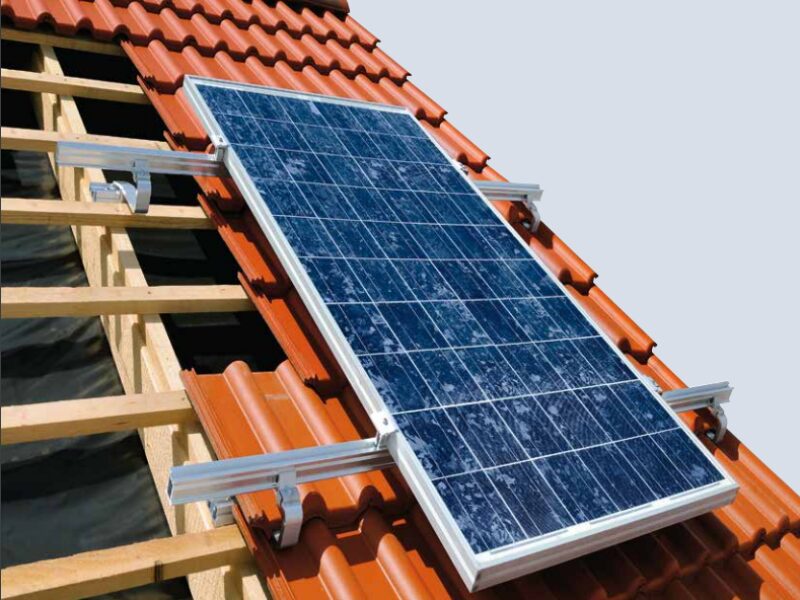
Can I Install Solar Panels on Tiled Roofs?
Installing solar panels on tiled roofs can be more complicated than expected. If you have a tiled roof, it’s best to consult with a professional solar panel installer who has experience working with your specific roof type.
One alternative is to use thin-film solar panels that are designed for installation on existing roofing materials. This approach may require additional preparation work, but the result can be a seamless integration of your new solar panels into your existing roofing system.
Is a South-Facing Roof Necessary for Solar Panels?
While having a south-facing roof will result in better performance, it’s not always a requirement for installing solar panels. The efficiency and effectiveness of your solar panel system also depend on the specific type of panels you choose and their sensitivity to sunlight.
When selecting your solar panels, consider factors like their energy output and temperature tolerance. Calculating the potential savings of a rooftop solar installation is an essential step in making an informed decision.
Do I Need Permission to Install Solar Panels?
In some cases, especially in historic districts or areas with high cultural value, you may need permission from local authorities before installing solar panels on your roof.
However, for most homeowners and buildings, the process of obtaining a permit has become more streamlined. All you need to do is submit a single form, which can be found online or by consulting with your local government agency.
Can I Install Solar Panels on Condominium Roofs?
Installing solar panels on condominium roofs is also possible in most cases. However, it’s always best to check with your building management or homeowners’ association to ensure that there are no specific rules or regulations governing rooftop solar installations.
For more information on the laws and regulations surrounding rooftop solar installations in condominium buildings, we recommend consulting our article on installing solar panels on condominoial roofs.
Do I Need Professional Help for My Rooftop Solar Installation?
While it’s possible to install solar panels on your own, hiring a professional solar panel installer is usually recommended. A certified solar panel professional will help you evaluate your roof’s suitability for solar panels and determine the best type of system to suit your needs.
Additionally, a professional solar panel installer can handle any necessary permits or inspections required by local authorities. They can also ensure that the installation is done efficiently and safely.
What Are the Costs Associated with Installing Solar Panels?
The cost of installing solar panels on your roof will depend on several factors, including:
- The type and quality of the solar panels you choose
- The size of the system needed to meet your energy needs
- The installation company you hire
- Any additional permits or inspections required
However, with tax incentives and potential savings on electricity bills, a rooftop solar installation can be a cost-effective option in the long run.
Conclusion
Installing solar panels on your roof is a viable option for homeowners looking to reduce their energy bills and add value to their property. While there may be specific regulations or requirements in certain areas, understanding these basics will help you navigate the process of installing solar panels on your roof.
By considering factors such as roof type, sun exposure, and local regulations, you can make an informed decision about whether a rooftop solar installation is right for you. And with professional assistance, you’ll be able to ensure that the installation is done efficiently and safely.
Whether or not you decide to install solar panels on your roof, we hope this article has provided you with valuable information to help you make an informed decision.


