
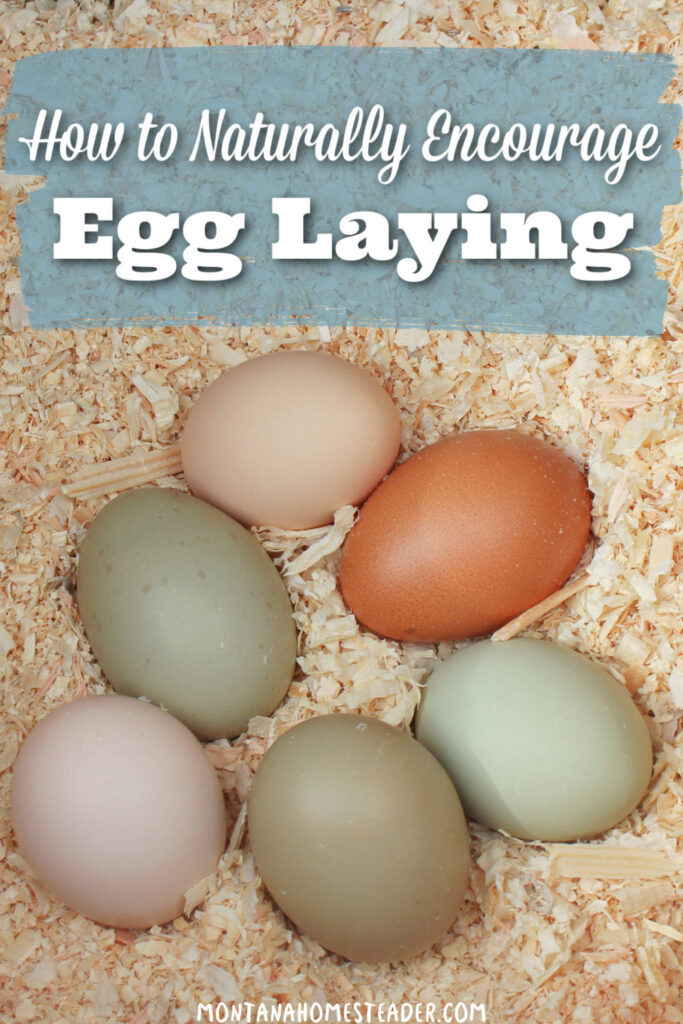
As an avid backyard chicken keeper, you’re likely no stranger to the thrill of collecting fresh eggs from your feathered friends. But did you know that there are certain breeds, diets, and health conditions that can significantly boost egg production? In this article, we’ll delve into the world of high-egg-producing chickens, exploring the best breeds, feeding strategies, and tips for maintaining a healthy flock.
Choosing the Right Breed
When it comes to selecting a breed with exceptional egg-laying abilities, there are several factors to consider. Some breeds, such as the Australorp, are renowned for their prolific egg production, laying up to 364 eggs per year. Other breeds, like the Padovana and Cocincina, may not be as productive but still offer stunning ornamental value.
But what makes a breed truly exceptional? It all starts with genetics. Breeds with crests, beards, and pale-colored legs tend to produce more eggs than those with red crests, beards, and bright yellow legs. This is because these physical characteristics are often linked to higher egg production.
For example, the Barnevelder breed is known for its striking black feathers and produces an average of 200-220 eggs per year. The Marans breed, on the other hand, has a darker plumage and lays around 180-200 eggs annually.
The Right Food for Feeding Hens
When it comes to feeding your hens, the quality of their diet can have a significant impact on egg production. While there are specialized feeds available that claim to boost egg production, we recommend providing a balanced diet rich in nutrients. The key is to offer a varied mix of grains, proteins, and calcium sources.
In the summer months, it’s essential to adjust your feed mix to ensure optimal nutrition for your hens. A mix of 62% broken oats, 15% whole soybeans, 8% crushed oyster shells or calcium carbonate, 6% cracked peas protein, 6% pelleted and crushed oat gluten, and 3% green rice is a good starting point.
The Importance of Calcium
Calcium is an essential nutrient for egg production, as it helps build strong bones and shells. Without sufficient calcium, hens may experience weakened eggshells, reduced fertility, or even infertility.
To ensure your hens receive adequate calcium, sprinkle crushed oyster shells or calcium carbonate into their feed mix daily. You can also add calcium supplements specifically designed for poultry to their diet.
Attention!
When it comes to feeding your hens, there’s one crucial thing to avoid: dried herbs. These can be toxic to chickens and should never be fed.
Maintaining a Healthy Flock
While breed, diet, and health conditions all play a role in egg production, maintaining a healthy flock is essential for overall well-being. Regular observation of your hens’ growth, crests, and legs can help identify any issues before they become major problems.
In the summer months, hens that start to molt (shed their feathers) are not worth keeping for the next year. These birds will produce few eggs and may even succumb to health issues.
Signs of a Healthy Flock
- Well-groomed feathers
- Strong legs with good joint mobility
- Clean and healthy droppings
- Active and playful behavior
The Role of Mites in Egg Production
Mites, or acari, can have a significant impact on egg production. These tiny parasites feed on chicken blood and can cause damage to feathers, leading to reduced egg-laying abilities.
In the summer months, hens are more susceptible to mite infestations due to warmer temperatures. Regular checks for signs of mites are essential to prevent infestations from getting out of control.
Signs of Mites
- Excessive scratching or flapping
- Feather loss or thinning
- Redness and irritation on the skin
- Inflammation around the eyes, nostrils, or beak
Products to Eliminate Mites
When it comes to treating mites in poultry, there are several products available on the market. Powdered treatments are often the best option, as they can be mixed with water to create a customized solution for your specific needs.
In addition to powdered treatments, sprays and direct applications can also be effective against mites. However, it’s essential to follow product instructions carefully to avoid overusing these treatments.
Tips for Preventing Mite Infestations
- Regularly clean and disinfect your coop and run
- Provide adequate ventilation and shade
- Use diatomaceous earth or sand baths as a natural barrier against mites
- Avoid overcrowding, which can lead to increased stress on hens
Conclusion
Boosting egg production in backyard chickens requires attention to breed selection, diet, health conditions, and parasite management. By following the tips outlined in this article, you’ll be well on your way to unlocking the secret to high-egg-producing chickens.
Frequently Asked Questions
- What is the best breed for high-egg production?
The Australorp is one of the most productive breeds, laying up to 364 eggs per year. - How often should I feed my hens?
Feed your hens a balanced diet rich in nutrients, adjusting the mix seasonally to ensure optimal nutrition. - Can I use dried herbs as a treat for my chickens?
No, dried herbs can be toxic to chickens and should never be fed. - How do I identify mites in my flock?
Look for signs of mites, such as excessive scratching or feather loss, particularly during warmer months. - What is the most effective way to treat mites?
Powdered treatments are often the best option, as they can be mixed with water to create a customized solution for your specific needs. - Can I use sprays or direct applications to treat mites?
Yes, but always follow product instructions carefully to avoid overusing these treatments. - How often should I replace my feed mix?
Adjust your feed mix seasonally to ensure optimal nutrition for your hens. - What is the importance of maintaining a healthy flock?
Regular observation of your hens’ growth, crests, and legs can help identify any issues before they become major problems.
By following these tips and understanding the role of breed selection, diet, health conditions, and parasite management in egg production, you’ll be well on your way to becoming an expert backyard chicken keeper.


