
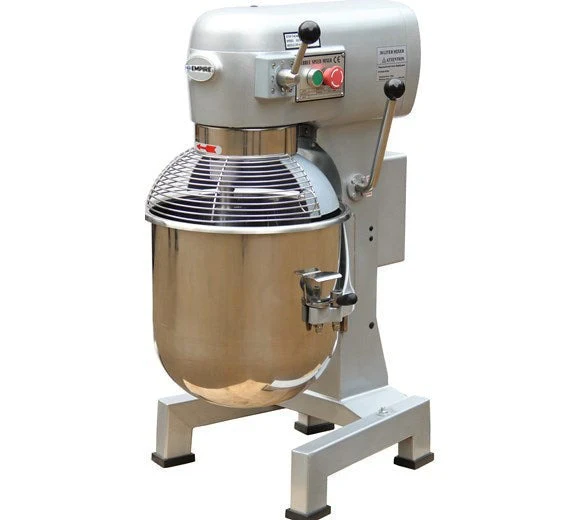
As you stand in front of your kitchen cabinets, deciding between a stand mixer and a planetarium, it’s essential to understand the differences between these two kitchen essentials. In this article, we’ll delve into the world of baking and explore the various types of mixers and their unique features.
What is a Stand Mixer?
A stand mixer is a versatile appliance that combines multiple functions, including mixing, kneading, and whipping. It’s designed to make your baking tasks easier and more efficient. With a wide range of models available, it’s crucial to choose the right one for your needs.
The Different Types of Stand Mixers
There are several types of stand mixers, each with its unique features and benefits. Here are some of the most popular ones:
- Impastatrice a spirale: This is the most common type of mixer, known for its affordability and versatility.
- Impastatrice orbitale or planetaria: As its name suggests, this mixer uses an orbital motion to mix ingredients, making it ideal for heavy-duty tasks.
- Impastatrice a forcella: This mixer features a unique design that reduces friction, allowing for smoother mixing and kneading.
- Impastatrice a bracci tuffanti: This is the top-of-the-line mixer, known for its high-performance capabilities and ability to mimic the motion of human arms.
How Do Stand Mixers Work?
Stand mixers use a combination of motors and gears to perform various tasks. The motor powers the mixing mechanism, which includes a bowl, beaters, and other attachments. As you add ingredients, the mixer’s mechanism automatically adjusts to ensure smooth and efficient mixing.
Key Features to Consider When Choosing a Stand Mixer
When selecting a stand mixer, consider the following factors:
- Power: Look for a mixer with a powerful motor that can handle heavy-duty tasks.
- Capacity: Choose a mixer with a large enough bowl to accommodate your ingredients.
- Attachments: Consider the types of attachments you need, such as beaters, whisks, and dough hooks.
The Benefits of Using a Stand Mixer
Using a stand mixer can revolutionize your baking experience. Here are some benefits:
- Efficiency: Stand mixers save time and effort, allowing you to focus on other tasks.
- Consistency: The mixer ensures consistent results, reducing the risk of human error.
- Versatility: Stand mixers can handle a wide range of tasks, from mixing to kneading.
Tips for Choosing the Right Stand Mixer
Here are some tips to help you choose the right stand mixer:
- Research: Read reviews and research different models before making a decision.
- Consider your needs: Think about the types of tasks you’ll be using the mixer for and choose accordingly.
- Budget: Set a budget and stick to it, as overpaying for a stand mixer may not always result in better performance.
The Differences Between Stand Mixers and Planetariums
While both stand mixers and planetariums are used for mixing and kneading ingredients, they differ significantly in their design and functionality. Here are some key differences:
- Design: Stand mixers have a more compact design, making them easier to store and use in smaller kitchens. Planetariums, on the other hand, can be larger and more cumbersome.
- Functionality: Stand mixers typically come with multiple attachments and functions, such as mixing, kneading, and whipping. Planetariums usually focus on a single function, such as kneading dough.
- Power: Stand mixers tend to have more powerful motors than planetariums, making them better suited for heavy-duty tasks.
Choosing the Right Attachment
When it comes to choosing an attachment for your stand mixer, there are several options to consider. Here are some popular attachments and their uses:
- Beaters: Beaters are designed for mixing and whipping ingredients. They come in different sizes and shapes, making them suitable for various tasks.
- Whisks: Whisks are ideal for mixing sauces and dressings. They’re typically smaller than beaters and have a more delicate design.
- Dough hooks: Dough hooks are perfect for kneading dough. They’re usually larger and more robust than other attachments.
How to Use Your Stand Mixer
Using your stand mixer is relatively easy, but here are some tips to get you started:
- Read the manual: Before using your stand mixer, read the manual to understand its features and functions.
- Choose the right bowl: Select a large enough bowl that can accommodate your ingredients.
- Attach the beaters: Attach the beaters or other attachments according to the manufacturer’s instructions.
- Add ingredients: Add your ingredients to the bowl, following the recipe’s guidelines.
- Start mixing: Start mixing, and let the stand mixer do its magic.
Troubleshooting Common Issues
Stand mixers are generally reliable appliances, but they can encounter issues from time to time. Here are some common problems and solutions:
- Overheating: If your stand mixer overheats, turn it off immediately and let it cool down before using it again.
- Sticking ingredients: If ingredients stick to the bowl or beaters, clean them thoroughly before resuming mixing.
- Attachments not fitting properly: Check that attachments fit securely into the mixer’s bowl or arm.
Conclusion
Choosing the right stand mixer or planetarium can seem daunting, but by understanding the differences between these two kitchen essentials, you’ll be well on your way to finding the perfect one for your baking needs. Remember to consider factors such as power, capacity, and attachments when making your decision. With the right mixer, you’ll be able to tackle even the most complex recipes with ease.
Frequently Asked Questions
Here are some frequently asked questions about stand mixers:
- What is the difference between a stand mixer and a planetarium?
- A stand mixer and a planetarium are both kitchen appliances used for mixing and kneading ingredients. However, they differ in their design and functionality.
- How do I choose the right stand mixer for my needs?
- Consider your baking needs, research different models, and set a budget before making a decision.
- What are the benefits of using a stand mixer?
- Stand mixers save time and effort, ensure consistent results, and offer versatility in their capabilities.
- How do I maintain my stand mixer?
- Regularly clean your mixer, check for wear and tear on attachments, and store it properly to extend its lifespan.
- Can I use a stand mixer for heavy-duty tasks?
- Yes, many stand mixers are designed for heavy-duty tasks and can handle tough mixing and kneading jobs.
By understanding the ins and outs of stand mixers and planetariums, you’ll be able to make informed decisions and find the perfect kitchen companion for your baking adventures.


